The issue of animal cruelty transcends borders and cultures, manifesting in various forms that often go unnoticed by society. To combat this pervasive problem, a multi-faceted approach involving policy, practice, and personal action is essential. Each of these elements contributes to the larger goal: protecting animals from unnecessary suffering and promoting their welfare.
**Policy** plays a critical role in establishing a framework for safeguarding animal rights. Legislative measures, such as animal welfare laws, set the standards for how animals should be treated in various environments—be it in agriculture, research, or as companion animals. Governments have a duty to enact and enforce laws that prohibit cruelty, neglect, and exploitation. Examples of effective policies include the Animal Welfare Act in the United States and various animal protection laws in European nations.
However, legislation alone is often insufficient. Policies must be rigorously enforced, with penalties that act as strong deterrents against abusers. Education initiatives within government bodies can further sensitize law enforcement and the judiciary system to recognize and address animal cruelty cases effectively. This involves training officials on the signs of abuse and the importance of animal welfare, ensuring that such cases are taken seriously and managed appropriately.
**Practice** involves the implementation of policies through concrete actions. Shelters and rescue organizations, for instance, serve as critical frontline defenders of animal rights. They provide immediate care to neglected and abused animals and facilitate their rehabilitation and adoption into supportive homes. The work performed by these organizations exemplifies an effective practice that protects animals on an individual basis. Volunteers play a pivotal role in this ecosystem, dedicating their time to nurturing animals and advocating for their needs within the community.
Moreover, responsible breeding practices and ethical treatment of animals in industries such as agriculture and entertainment are crucial components of this practice. The rise of movements advocating for cage-free farming or the cessation of animal testing for cosmetic products demonstrates that consumer choices can lead to significant industry shifts. By choosing products from humane sources or those that do not harm animals, consumers wield considerable power to influence change. This reinforces the vital connection between conscientious consumption and animal welfare.
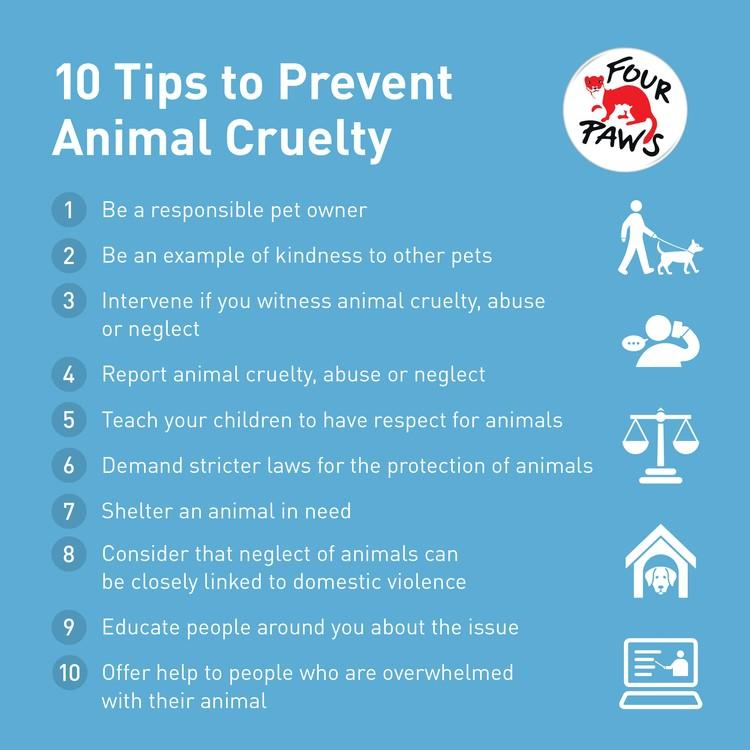
**Personal action** is equally essential in the fight against animal cruelty. Individuals can take numerous steps to contribute to this cause. First and foremost, one can advocate for all creatures, raising awareness about the various forms of suffering they endure. Sharing stories, articles, or engaging in discussions about animal rights can catalyze important conversations that inspire others to join the movement.
Active involvement in local community programs and initiatives can amplify this impact. Participating in or organizing local campaigns, such as spay and neuter drives, fosters a culture of responsible pet ownership and helps control the pet population—an endeavor that significantly reduces the number of animals in shelters and the likelihood of abandonment.
Additionally, volunteering at animal shelters does more than provide essential resources—it strengthens community relationships and education regarding animal needs. Volunteers contribute to the betterment of animal lives while learning valuable lessons that they can then share with others, creating a ripple effect of compassion and awareness.
Support for reputable animal organizations through donations or fundraising efforts can also make a substantial difference. Financial contributions allow shelters and advocacy groups to maintain their operations, investing in veterinary care, food supplies, and educational outreach programs. Every donation, no matter its size, counts toward the greater objective of alleviating animal suffering.
Moreover, one should leverage social media platforms to advocate against cruelty with impactful messaging and visuals. The ability to reach vast audiences online makes it possible to drive change rapidly. Campaigns targeting specific issues—such as puppy mills, factory farming, or the ivory trade—can garner widespread attention and mobilize substantial support for reform.
Engaging with policymakers is another way to fortify personal commitment to animal welfare. Writing petitions, contacting representatives, and participating in public hearings can pressure for stronger animal rights legislation. Comfortably speaking about the significance of these issues within your networks serves as both advocacy and educational outreach.
Lastly, fostering compassion begins at home. Educating oneself and others about humane treatment can lead to a paradigm shift in how society perceives and interacts with animals. Families can cultivate empathy and respect for other species by adopting pets from shelters and instilling values of kindness and responsibility in children.
There is no singular solution to the pervasive problem of animal cruelty. Instead, it demands a comprehensive and compassionate effort from various sectors of society. By focusing on robust policy, effective practice, and committed personal action, we can create a world where animals are free from suffering and harm. The synergy of these efforts transforms the landscape, paving the way for a future where cruelty becomes an increasingly rare occurrence, replaced by a culture rooted in respect for all living beings.