Every year, countless animals suffer at the hands of human cruelty, yet the persistent interest in animal welfare reveals a society that cares deeply about these sentient beings. The problem lies not solely in the actions of a few individuals, but within the broader societal structures that enable and perpetuate such behavior. To cultivate a culture of compassion and deter cruelty, a multifaceted approach encompassing education, stringent laws, and an ethos of respect for all living creatures is imperative.
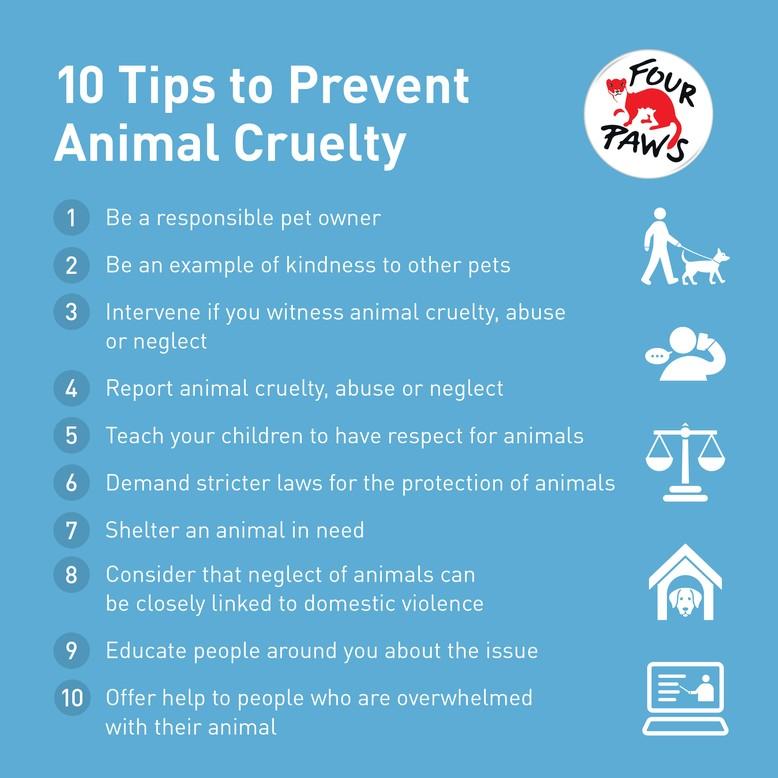
Education serves as the bedrock for fostering empathy towards animals. It is fundamental to instilling a sense of responsibility and compassion in the younger generations. Schools, community centers, and families must prioritize animal welfare education as part of their curricula. Lessons that explore the emotional and social needs of animals—alongside their inherent rights—can cultivate awareness among children that animals are not mere objects for exploitation but rather beings deserving of care and respect. This education can take various forms, including interactive lessons, workshops, and even volunteer opportunities at local shelters, where children can observe firsthand the consequences of neglect and cruelty.
Additionally, public campaigns designed to raise awareness about animal welfare can significantly influence public sentiment. These campaigns can range from social media outreach to community events that highlight local animal issues, demonstrating that cruelty to animals is not an isolated incident but part of a broader narrative affecting communities worldwide. Establishing programs that encourage the adoption of shelter animals can also shift perceptions and behaviors, fostering a compassionate marketplace where animals are valued as family members rather than commodities.
However, education alone is not enough. The legal landscape surrounding animal rights plays a crucial role in preventing cruelty. Legislation relating to animal welfare must be strengthened and rigorously enforced. Current laws often provide minimal protection, allowing for loopholes that abusers can exploit. It is vital that advocacy groups work tirelessly to support the implementation of comprehensive animal welfare laws that enforce stringent penalties for cruelty and neglect. This could include the introduction of mandatory reporting laws for suspected cases of abuse and enhanced sentencing for perpetrators.
Moreover, the establishment of animal welfare officers in various regions can facilitate the investigation of violations and provide immediate assistance to those animals in distress. These officers are essential in ensuring that laws are not only present but actively upheld. By fostering a culture of accountability, potential abusers may think twice, knowing that their actions can lead to serious repercussions.
Compassion is the guiding principle that must permeate both educational efforts and legislative frameworks. Society must transition from seeing animals as property to recognizing their intrinsic value and rights. This paradigm shift can significantly affect the social acceptance of animal cruelty. Public figures, celebrities, and influencers can play a pivotal role in this transformation. When high-profile individuals advocate for animal issues, this draws attention and elevates the discourse surrounding animal rights, encouraging more people to adopt compassionate practices.
The impact of empathy cannot be overstated. Studies have repeatedly shown that societies steeped in compassion and empathy towards all life forms experience lower rates of violence and social issues. Thus, promoting animal rights is not only an ethical imperative but also a societal necessity for creating safer and more harmonious communities. Notably, societal changes do not happen overnight. They require consistent effort and advocacy, which must begin within our immediate circles.
Encouragingly, communities are increasingly recognizing their power to drive change. Collective action can lead to the establishment of local animal protection organizations, which can serve as a platform for residents to collaborate on initiatives such as spaying/neutering programs, rescues, and fostering networks. By mobilizing community members, these organizations become catalysts for change, providing educational resources, hosting events, and creating safe spaces for animal care.
While organized efforts are crucial, individual actions collectively contribute to a more compassionate world for animals. Everyday citizens can make informed choices that reflect their values. This could be as simple as adopting pets instead of purchasing them from breeders, supporting cruelty-free products, or participating in community cleanup efforts to protect wildlife habitats. Each small action represents a larger commitment to the well-being of animals and helps set a precedent for future generations.
Furthermore, fostering dialogue about ethical treatment and the nuances of animal rights is essential. It is equally important to engage in conversations that examine the cultural and societal norms that often contribute to animal cruelty. Maintaining a stance of understanding, rather than judgment, allows for productive discussions where differing perspectives can be acknowledged yet challenged. Such discourse can unveil the underlying attitudes that often normalize or trivialize animal suffering.
In conclusion, preventing cruelty to animals is a multi-dimensional endeavor requiring a comprehensive strategy that encompasses education, legislation, and a culture of compassion. Society must strive to equip future generations with the knowledge and moral framework needed to see animals as fellow inhabitants of this world, deserving of our respect and protection. While the road ahead may be challenging, the vision of a world in which animals are treated with dignity and care is worth pursuing. Every action—be it through education, legal reform, or communal engagement—brings us one step closer to eradicating cruelty and fostering a humane society for all beings.