Animal cruelty is a lamentable reality that distorts the lives of countless creatures, and confronting this issue is crucial, especially in places like Gainesville, Georgia. Incidents of animal mistreatment can invoke a sense of helplessness among the community. However, understanding how to press charges for animal cruelty not only empowers individuals but also fosters a collective responsibility to protect our voiceless companions. This article elucidates the procedural framework and sensible actions one can undertake to hold perpetrators accountable.
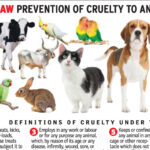
Firstly, it is imperative to recognize the categories of animal cruelty recognized by law. In Georgia, animal cruelty can be classified as either a misdemeanor or felony, depending on the severity of the offense. Misdemeanor animal cruelty often arises from neglect or minor acts of cruelty, while felony cruelty typically involves heinous acts that may result in serious injury or death to an animal. Familiarity with these classifications can serve as a foundation in reporting the offense appropriately.
The initial step in pressing charges begins with meticulous documentation of the observed cruelty. Utilize a methodical approach; gather tangible evidence including photographs, videos, or written accounts detailing the circumstances surrounding the incident. The more comprehensive the documentation, the stronger the case will be. It’s vital to ensure that the documentation captures specific details such as dates, times, the types of animals involved, and the location of the incident. This step lays a crucial cornerstone for any subsequent legal action.
Once sufficient evidence has been amassed, the next course of action involves reporting the incident to the appropriate authorities. In Gainesville, local law enforcement agencies or animal control will be the primary points of contact. The Gainesville Animal Control can be reached through the City of Gainesville’s official website or by contacting the local police department. When reporting, provide a succinct yet detailed account of the incident accompanied by the documented evidence you have collected. This initial report functions as a catalyst for an eventual investigation, making it pivotal to convey information clearly and accurately.
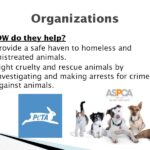
Simultaneously, you may want to alert local animal welfare organizations or humane societies. Establishing communication with such organizations can bolster your efforts. They often have resources, knowledge, and experience in dealing with animal cruelty cases and may assist with providing legal guidance or support throughout the process. Organizations like the Georgia SPCA frequently advocate for animal welfare and can serve as invaluable allies.
After authorities are notified, an investigation will typically commence. During this phase, law enforcement will assess the evidence presented and may initiate interviews with witnesses or other people involved. Cooperation during this process is vital. If prompted, be prepared to provide a statement detailing your observations. Ensure to express the urgency and importance of the situation; every minute may count in preventing further suffering.
Upon concluding the investigation, law enforcement will determine if sufficient evidence exists to press charges. In circumstances where they decide to pursue the matter, the case will be forwarded to the local district attorney’s office for prosecution. This is a pivotal moment—the point where the collective desires for accountability can be transformed into actionable justice. Keeping in touch with the authorities throughout this time is advisable, as it allows you to remain updated on the status of the case.
If the authorities decide not to press charges, this may be disheartening, but perseverance is key. You possess the option to seek legal counsel independently, especially if you feel strongly about pursuing the matter. A qualified attorney who specializes in animal law can assess the case and possibly assist in filing additional civil actions. They may guide you through the intricacies of legal language, procedures, and expectations, amplifying your voice in the pursuit of justice.
Engagement with your local community can further amplify the impact of your efforts. Passionate individuals often form grassroots initiatives or connect with other local advocates to increase awareness of animal cruelty in the area. Hosting community meetings or educational workshops may draw attention to the importance of laws surrounding animal welfare. Increased knowledge and awareness can lead to more eyes on the ground, thereby augmenting efforts to monitor and report instances of cruelty.
Moreover, utilizing social media as a tool can be effective in raising awareness. Sharing information about the incident, along with educational resources regarding animal rights and laws on platforms such as Facebook, Instagram, and Twitter, can lead to a broader demographic engaged in the cause. Foster an environment where discussion thrives and advocate for change not only at a grassroots level, but also among individuals in positions of power who can effect legislative change.
In conclusion, pressing charges for animal cruelty in Gainesville, Georgia, necessitates a methodical, informed, and community-driven approach. By documenting evidence, collaborating with authorities, engaging with advocacy groups, and mobilizing community efforts, individuals can create a formidable front against those who inflict harm on animals. The journey towards justice may be complex and fraught with challenges, yet each action taken fortifies the collective endeavor to foster a world where every creature is afforded the compassion and respect it undeniably deserves. Through unwavering commitment and persistent advocacy, change is conceivable, promising a future devoid of cruelty and enriched by empathy.