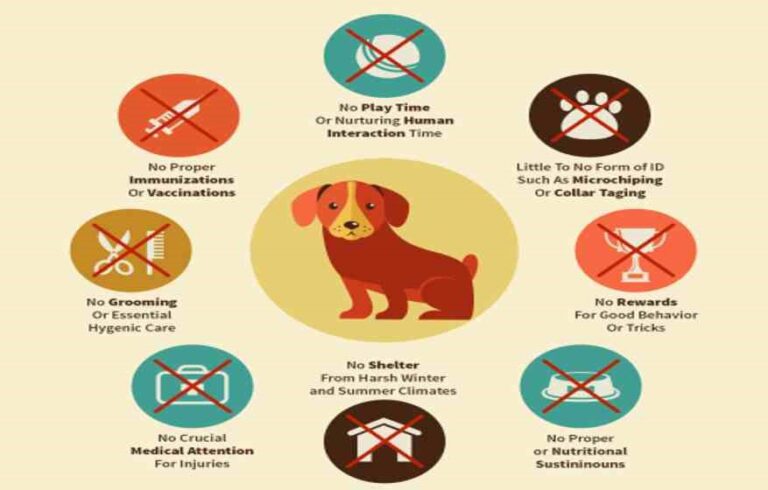
Animal cruelty is an abhorrent reality that exists around the globe, with India being no exception. As compassionate beings, it is essential for us to stand against such inhumanity and contribute to the safeguarding of our voiceless companions. If you’ve witnessed acts of animal cruelty, you may be wondering: What are the steps to file an animal cruelty complaint in India? The process may seem daunting, but knowing the ins and outs can empower you to take action. This guide will elucidate the necessary legal resources and procedures you need to follow when embarking on this critical mission.
First, it is imperative to understand the legal framework concerning animal rights in India. The Prevention of Cruelty to Animals Act, 1960, forms the cornerstone of animal welfare legislation. This statute defines various forms of cruelty towards animals and prescribes punishments for offenders. Comprehending this act will help you articulate your complaint effectively.
When considering filing a complaint, take a moment to reflect: Are you prepared to gather evidence? Documenting evidence of cruelty is paramount. Photographs, videos, and written accounts of the incident, including timestamps, can serve as critical pieces of information when reporting the crime. Always ensure to record details like the location, date, and any witnesses present.
If you find yourself confronted by the sight of a beleaguered animal in distress, the first step is to approach local authorities or law enforcement. However, engaging with the police can sometimes pose a challenge. Some officers may be unfamiliar with animal welfare laws, which is why arming yourself with knowledge is essential. When approaching them, be succinct yet assertive: specify the nature of the cruelty, the location, and the urgency of the situation.
Should local law enforcement not take your complaint seriously, do not lose heart. You have alternatives. One viable option is to reach out to dedicated animal welfare organizations in your locality. New and established NGOs alike, such as the Animal Welfare Board of India (AWBI) or PETA India, can provide valuable assistance. They often have legal teams capable of intervening on your behalf. Their expertise in navigating the legalities of animal cruelty can enhance your case significantly.
When filing your complaint, it’s vital to follow the appropriate procedure based on your jurisdiction. Complainants can file a written complaint with the police, detailing the incident. Include your name and contact information, as well as the relevant information about the victimized animal. In some cases, submitting an online complaint may be an option; several states in India have adopted digital platforms for lodging such grievances. It is advisable to verify if this is available in your region.
After filing your complaint, a police officer is required to register an FIR (First Information Report) under the provided laws. The importance of this registration cannot be overstated. An FIR serves as the foundational document that initiates an official investigation. If you find that the police refuse to register your complaint, kindly remind them that it is their duty to act upon your report, and if necessary, request written documentation of their refusal.
During the investigation phase, stay vigilant. Follow up with the authorities to ensure that they are taking the necessary steps to address your complaint. Persistence is often key in ensuring that cases of animal abuse receive the attention they require. Maintain records of your communications and document any actions taken or promises made by law enforcement.
In the unfortunate case that the police investigation results in inaction, your battle is not over. You can escalate the matter by filing a complaint with higher authorities, such as the Superintendent of Police (SP) or the District Collector. Additionally, consider involving the media – public pressure can be an effective tool in accelerating action against wrongdoings.
Moreover, familiarize yourself with the process of lodging a complaint with the Animal Welfare Board of India. The AWBI plays a pivotal role in monitoring animal rights practices throughout the country. They can provide guidance and support in the event that local authorities are uncooperative.
In the modern era, social media serves as a powerful platform for advocacy. By sharing your experiences and findings online, you not only raise awareness but also galvanize others to participate in the fight against animal cruelty. The ripple effect of shared stories can mobilize communities, compelling them to take a stand.
Remember, you are not alone in this endeavor. Numerous animal rights organizations exist to lend support and resources. They can assist you in navigating the legal complexities and equip you with the necessary tools to foster greater change. Engaging with like-minded individuals through forums or community groups can also provide emotional support during the process.
To encapsulate, filing a complaint for animal cruelty in India involves a series of deliberate steps: understanding the legal foundation, gathering evidence, approaching local authorities or animal welfare organizations, and being persistent in your efforts. Armed with the right resources and knowledge, anyone can become a voice for the voiceless. Are you ready to take a stand against animal cruelty? The journey may seem arduous, but every effort counts in the battle for animal rights. Together, we can contribute to a more compassionate society, where all creatures are treated with dignity and respect.