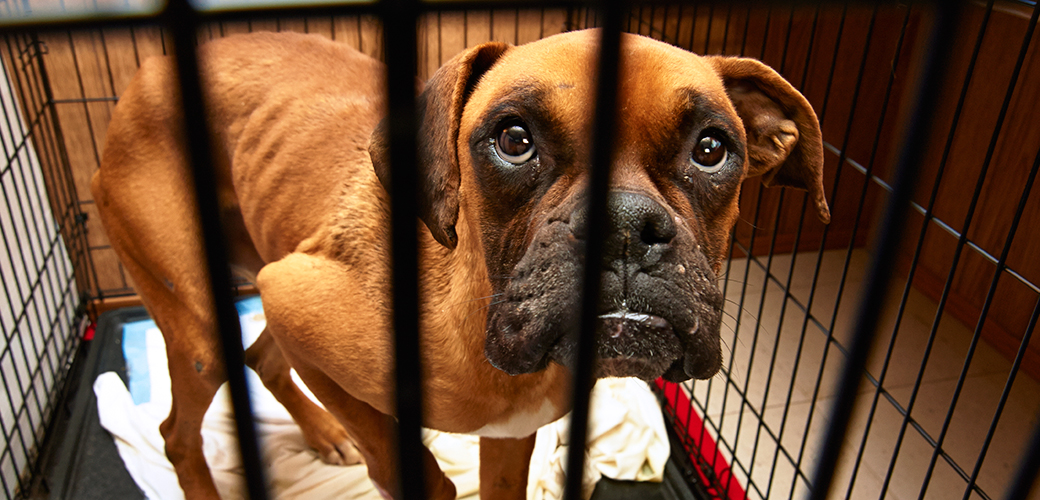
Animal cruelty is an egregious violation of ethics and compassion. As guardians of those who cannot speak for themselves, it is paramount that we take definitive action against such acts. In North Carolina, understanding the process of filing a police report for animal cruelty is crucial for effective intervention. This guide outlines the steps involved, what you may face, and emphasizes the significance of standing up for those who suffer in silence.
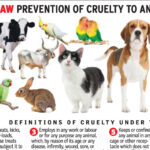
First and foremost, it’s essential to recognize the types of animal cruelty recognized under North Carolina law. According to the legislation, animal cruelty encompasses both acts of malice—like physical abuse, neglect, or abandonment—and more subtle forms of harm, such as failing to provide necessary food, water, shelter, or medical care. Familiarizing yourself with these definitions allows for a more informed and impactful reporting process.
When you suspect animal cruelty, the first instinct might be to approach the suspected perpetrator. However, this is often inadvisable. Instead, gather pertinent details related to the situation. Take notes that include dates, times, locations, and descriptions of the alleged cruelty. If possible, document the incidents with photographs or videos, ensuring that you capture the context without placing yourself in jeopardy. This evidence may serve as crucial support for your report later.
Once you have collected enough information, it’s time to file a police report. In North Carolina, you can report animal cruelty to local law enforcement agencies. Begin by calling your local police department or sheriff’s office. If you are unsure which jurisdiction to approach, the Animal Welfare Act can assist in determining the appropriate authority responsible for animal welfare in your area.
When contacting law enforcement, be prepared to provide a detailed account of your observations. This includes the specifics of the incident, the type of animal involved, any visible injuries or distress, and the conditions in which the animal is kept. Using concise and clear language will help convey your message effectively, thus allowing authorities to comprehend the gravity of the situation.
Upon filing your report, you may encounter a variety of responses. Law enforcement will typically conduct an inquiry into the allegations. Depending on the complexity of the case, this may involve interviews, site visits, and collectible evidence-gathering. During this stage, you may feel a sense of anxiety or impatience, eager to see justice served. Patience is vital; thorough investigations take time, and law enforcement officials must ensure they have adequate substantiation before proceeding with any enforcement actions.
Communication with law enforcement during the investigation is key. Some agencies may provide updates on the status of your case. While these updates can be infrequent, following up on your report demonstrates your commitment to ending the cruelty and may lend urgency to the investigation.
When an investigation takes place, law enforcement may consult with animal control officers. These professionals possess specialized expertise in animal welfare issues and often play a pivotal role in assessing the situation. Based on the findings, law enforcement may then take further action, which could range from issuing a warning to pursuing formal charges against the suspect. In serious cases, animals may be seized and placed in protective custody.
Throughout this process, it’s essential to maintain realistic expectations of the outcome. Not all reported cases end with immediate legal action, and some can lead to disappointing conclusions. However, your report contributes to a database of cruelty cases, which can be invaluable in identifying patterns of abuse within a community. A community where such reports are frequent may spark broader interventions or increased scrutiny from authorities.
In North Carolina, you are not alone in this battle against animal cruelty. Numerous organizations are dedicated to offering aid to both animals and concerned citizens. Reaching out to local animal shelters or humane societies can be beneficial. These organizations often possess resources to assist victims of cruelty and provide educational materials on how to proceed with law enforcement.
Moreover, consider networking with fellow activists and animal welfare advocates. They may share insights gathered from their experiences that can enhance your own understanding of the reporting process. Community solidarity is often a catalyst for change, amplifying the voices of those advocating for animal rights.
As you navigate these complex waters, it is vital to remember that your efforts, no matter how small they may seem in the grand scheme of things, can have a rippling effect. Each report filed is a testament to your commitment to animal welfare and a challenge to societal norms that may turn a blind eye to such injustices. By advocating for the voiceless, you contribute to fostering an environment where compassion reigns over cruelty.
In conclusion, filing a report for animal cruelty in North Carolina is a significant act of advocacy. Gather evidence, approach law enforcement with clarity, and be an unwavering presence in your community. Each step taken brings us closer to a world where animals are safeguarded from cruelty and neglect, ensuing a more empathetic society that cherishes every living being.