Animal cruelty is a profound and harrowing issue, akin to a tempestuous storm frothing and churning beneath the surface of societal values. It manifests in various forms—neglect, abuse, and exploitation—casting a dark shadow over the welfare of creatures who share our planet. In this tempest, clarity is essential. Understanding how to navigate the often convoluted legal landscape when filing a case against animal cruelty can transform the abundance of despair into a clarion call for justice. Herein lies a detailed compendium of the legal steps involved in pursuing an animal cruelty case.
Understanding Animal Cruelty Laws
Embarking on the journey to file a case begins with a thorough understanding of the laws governing animal cruelty in your jurisdiction. Animal cruelty laws can vary significantly from state to state, much like the changing tides. Familiarize yourself with the specific statutes that delineate what constitutes animal cruelty—these often include physical abuse, neglect, hoarding situations, and exploitation for entertainment. Untangle the web of definitions; many states classify these actions into felonies or misdemeanors, each carrying its own legal ramifications.
Gathering Evidence: The Crucial First Step
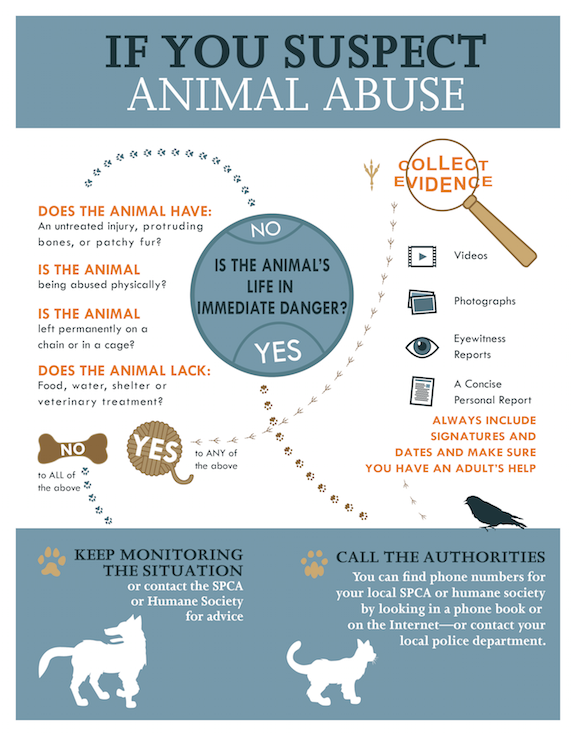
Evidence is the bedrock upon which a successful case against animal cruelty is built. Every shred of credible evidence serves as a guidepost through the fog of ambiguity. Documentation is paramount. This includes photographs or videos that capture the condition of the animal, eyewitness accounts, veterinary reports, and any relevant communications regarding the incident. If the animal in question is still alive, immediate veterinary intervention not only aids in recovery but also provides essential medical documentation. The juxtaposition of your evidence will craft an irrefutable narrative that illustrates the harm inflicted upon the creature.
Contacting Local Animal Control or Humane Society
Once evidence is compiled, the next course of action is to reach out to local animal control or a humane society. These entities are often the frontline responders to reports of animal cruelty, acting as both advocates for animals and enforcers of the law. They can initiate investigations, and their involvement may add a layer of authority to your concerns. When contacting these organizations, ensure you present your evidence in an organized, succinct manner. Clarity and urgency in your report can catalyze swift action.
Involving Law Enforcement
Should local animal control prove unresponsive, it may be time to escalate the situation to law enforcement. Filing an official police report can be instrumental in mobilizing legal resources. When reporting the incident to the police, articulate the details clearly, including the nature of the cruelty, the evidence you possess, and any prior notifications made to animal control. Law enforcement, endowed with the authority of the legal system, can initiate a formal investigation into the matter.
Consultation with Legal Counsel
Depending on the severity of the case, enlisting the expertise of a proficient attorney specializing in animal law may be prudent. This professional can provide invaluable insights into the intricacies of legal maneuverings, offer advice on the likelihood of success, and guide you through the nuances of courtroom dynamics. An attorney can also assist in the preparation of any necessary legal documents and ensure that your case is presented with exceptional clarity and force.
Filing a Formal Complaint
Once you have the required evidence and legal representation, the next step is to file a formal complaint with the appropriate legal authority. This could be at a municipal, state, or federal level. The complaint must be meticulously crafted, outlining the specifics of the incident, the evidence collected, and the violations of animal cruelty laws as they pertain to your case. Remember, an articulate and coherent complaint can resonate deeply in decision-making forums.
Preparing for Court
If the case progresses to court proceedings, preparation is key. Just as a ship must be well-stocked before setting sail, so too must you equip yourself with knowledge and strategy. Understand the judicial process, familiarize yourself with courtroom decorum, and rehearse your testimony. Presenting your case before a judge or jury requires not only the facts but also the emotive weight of the animal’s suffering; this combination can cultivate a powerful compelling story that may sway judgements.
Advocacy and Support
During this arduous journey, finding solidarity among fellow advocates can provide much-needed emotional sustenance. Various organizations, online forums, and community groups exist to offer support for those pursuing justice for animals. Connecting with these networks can yield resources, emotional encouragement, and additional strategies that bolster your case. Engaging in activism—whether through rallies, social media awareness campaigns, or the distribution of literature—can also bolster public engagement and policy change.
Sequential Follow-Up
After the initial filing and while the case is underway, it is crucial to maintain communication with all parties involved. Follow-up with the animal control officers, lawyers, and relevant organizations to stay abreast of developments in the case. This attentiveness will not only ensure momentum but also demonstrate your unwavering commitment to seeking justice.
Conclusion
Filing a case against animal cruelty is a challenging but essential process. Each step taken is akin to planting seeds in a field; while the growth may take time, perseverance can yield robust results. By advocating for the voiceless and addressing the legal ramifications of animal cruelty, one can contribute to a more compassionate world that values the dignity of all living beings. The journey may be fraught with obstacles, but it is a necessary endeavor—one that can begin to stem the tide of cruelty and create ripples of change in the fabric of society.