In recent years, the intersection of ethical consumerism and the meat industry has garnered substantial attention. As people become increasingly aware of the consequences embedded in their dietary choices, the imperative to confront animal cruelty has never been more urgent. This discussion delves into the pivotal role of ethical consumerism in cultivating a humane approach to meat consumption, while also illuminating the pervasive practices that have rendered the meat industry a focal point of concern.
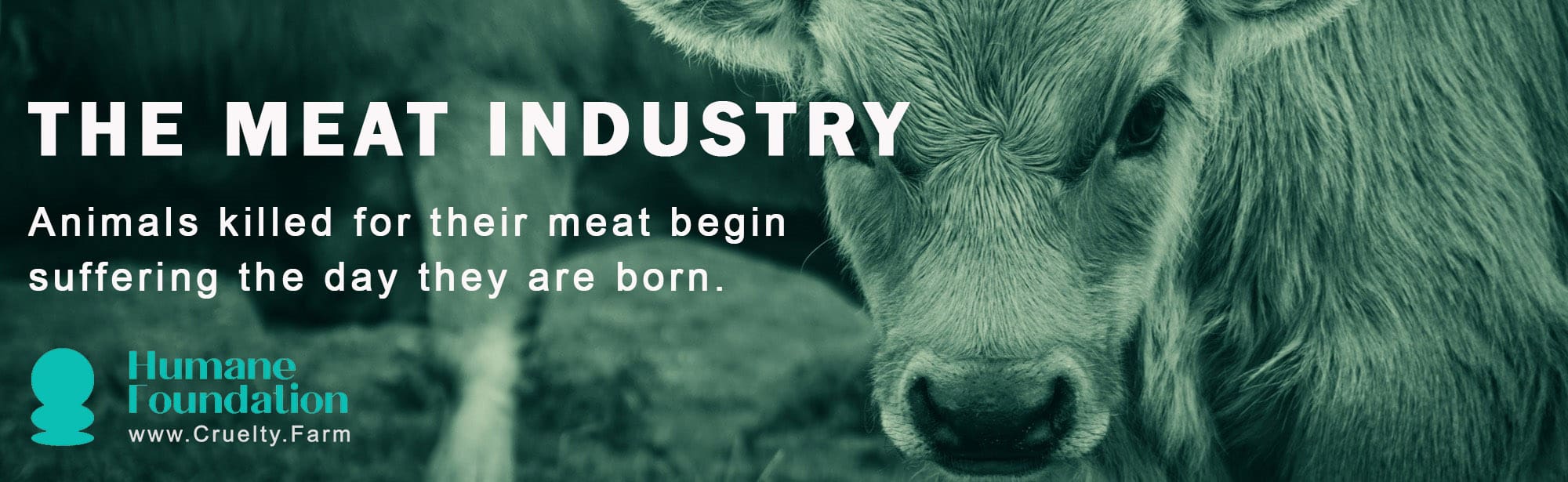
Animal cruelty within the meat industry is not merely an unfortunate characteristic; it is a systematic outcome of entrenched capitalism and corporate interests. It is widely acknowledged that animals raised for consumption often endure miserable conditions. These are not isolated incidents but are symptomatic of a broader, profit-driven ethos. Mass production prioritizes efficiency, frequently sacrificing animal welfare on the altar of lower costs and higher profits. Animals are confined to cramped spaces, deprived of natural behaviors and social interactions, ultimately leading to both physical and psychological distress.
To combat this odious reality, ethical consumerism emerges as a powerful tool. Ethical consumerism involves making purchasing decisions based on a consideration of the social, environmental, and ethical ramifications of one’s choices. It is a proactive stance that transcends mere abstention from cruelty; it advocates for a paradigm shift in consumption that prioritizes the welfare of animals as a fundamental value.
Understanding the mechanisms of the meat industry is crucial for consumers aiming to make ethical choices. Factory farms, often referred to as Concentrated Animal Feeding Operations (CAFOs), exemplify the unethical practices that underpin modern meat production. These operations often rely on intensive farming techniques where animals are raised in unnaturally close quarters. The implications of this method are devastating. Animals are subjected to inhumane conditions without adequate space, light, or ventilation. They may be pumped with antibiotics to stave off disease, which arises from their overcrowded environments. Such practices not only jeopardize animal welfare but also contribute to public health crises.
To mitigate the impact of these practices, informed consumers must recognize the importance of transparency in the meat production process. Labels such as “humanely raised” or “free-range” can misleadingly imply ethical treatment. Therefore, it is vital to scrutinize certifications and claims. Organizations that genuinely prioritize animal welfare provide detailed information about their farming practices, including access to pasture and humane handling methods. A thorough investigation into the companies you choose to support is imperative. Identifying and patronizing farms that adhere to stringent ethical standards fosters a system where animal welfare is acknowledged publicly and economically.
Moreover, the choice to reduce meat consumption can be a formidable stance against animal cruelty. While abstaining from meat altogether may not be practical for everyone, decreasing reliance on animal products can significantly impact demand. This shift encourages suppliers to explore alternative protein sources, diminishing the urgency of mass meat production and the subsequent exploitation of animals. Embracing a flexitarian diet—one that incorporates more plant-based meals while reducing meat intake—can be a practical approach to this lifestyle change.
Plant-based alternatives continue to gain traction in the marketplace, symbolizing a critical evolution in consumer choice. These products often mimic the taste and texture of meat without the moral repercussions traditionally associated with animal products. Given the technological advancements in food production, the emergence of innovative alternatives offers consumers more diverse options than ever before. Beyond satisfying culinary preferences, such shifts signal to meat producers the necessity of evolving their practices in response to changing consumer demands.
Furthermore, engaging in community-supported agriculture (CSA) programs can enhance ethical consumption practices. These initiatives promote local farms that emphasize sustainable and humane farming practices. By subscribing to a CSA, consumers can develop a direct relationship with local producers, fostering a sense of accountability for where their food originates. This localized model not only supports ethical farming practices but also strengthens the community and reduces environmental impact through lower transportation emissions.
Education stands as a crucial element of ethical consumerism. By disseminating information regarding the realities of the meat industry, advocates can stimulate discourse and awareness surrounding animal welfare issues. Hosting workshops, participating in local farmers’ markets, or leveraging social media platforms can amplify messages of compassion and responsibility. By fostering a community of informed consumers, the broader society becomes more equipped to challenge the status quo of animal cruelty.
Legislation can also play a pivotal role in advancing animal welfare. Advocating for stronger regulations regarding the treatment of animals in the agricultural sector is critical. Consumers can support organizations that lobby for humane laws, such as better living conditions for livestock and stricter penalties for animal cruelty violations. Grassroots movements often succeed at local and national levels, showcasing the power of collective advocacy.
In conclusion, fighting against animal cruelty in the meat industry hinges on the concerted efforts of informed consumers who embrace ethical choices. By understanding the realities of meat production and prioritizing welfare in purchasing decisions, individuals can effectuate meaningful change. This journey may involve a combination of reducing meat consumption, seeking transparency and ethical practices from producers, participating in community-supported agriculture, and engaging in educational initiatives. Ultimately, the power to challenge the systemic issues within the meat industry lies in the informed choices we make as consumers. Shifting from passive consumption to active participation in ethical consumerism is not merely an option; it is a moral obligation that every person can choose to embrace.