Throughout history, art has served as a powerful conduit for social change. From the stirring hues of Picasso’s “Guernica” to the poignant verses of Frost, artists have taken it upon themselves to amplify pressing issues, including human rights, environmental sustainability, and, significantly, animal welfare. Today, the convergence of art and social media presents an unprecedented opportunity to combat animal cruelty. How can creative expressions engender a movement to protect our vulnerable companions? This calls for introspection and action, challenging us to harness our artistic capabilities to advocate for those who cannot speak for themselves.
The plight of animals subjected to cruelty is not just a statistic; it is a harrowing reality for millions. From commercial exploitation to neglect and abandonment, the manifestations of animal cruelty are as diverse as they are pervasive. Addressing these issues through art invites viewers to engage with the emotional narrative, making the intangible tangible. Thus, visual arts, literature, music, and performance can serve not only as means of expression but as a rallying cry for justice.
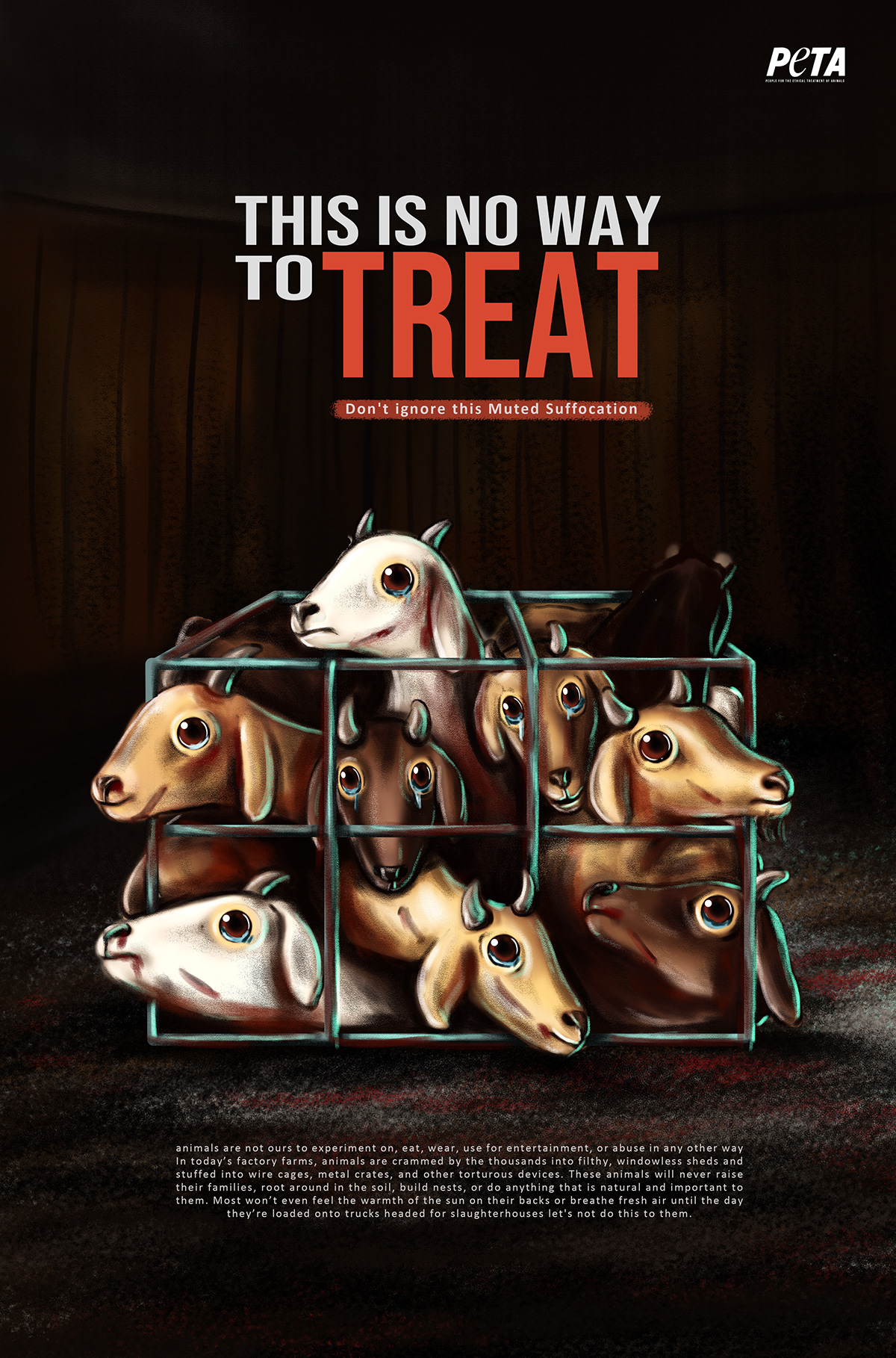
Art, in all its forms, has the ability to evoke emotion and provoke thought. By creating compelling visuals that highlight the suffering of animals, artists can instigate a visceral reaction within the audience. Consider, for instance, a painting depicting an abandoned dog amidst a bleak urban landscape. The stark contrast of the vibrant city life against the desolation of the dog’s plight is a deliberate choice, designed to captivate and unsettle the viewer. This disquiet may drive individuals to not only reflect on the art but also on their role in preventing cruelty. A singular image can transcend language barriers, communicating a universal message of compassion.
Yet, the challenge lies in translating these emotions into actionable change. How often have we scrolled past heart-wrenching images on social media, only to be momentarily affected before continuing on with our daily lives? The cycle of outrage and inaction is pervasive, and it is essential to dismantle it. This requires a strategic approach that incorporates both empathy and engagement. Creators must not only present the problem but also embed solutions within their work. This could include calls to action, such as fostering awareness, advocating for policy change, or encouraging donations to animal welfare organizations.
Social media platforms serve as a digital agora, where artistic endeavors can reach a global audience. Consider leveraging Instagram, Facebook, or TikTok, mediums that boast tremendous reach and virality. Artists can utilize these platforms to share compelling narratives and visuals designed to inspire empathy and demand change. Viral challenges, such as creating a piece of art representing an endangered species or sharing the story of an abused animal, can galvanize communities. These challenges become not only an engaging incentive but a mechanism for shared awareness and collective action.
Moreover, collaboration is a catalytic element for expanding the impact of artistic advocacy. Partnerships between artists, influencers, and animal rights organizations can enhance visibility and credibility. By co-creating campaigns that highlight specific themes, such as adoption over breeding or cruelty-free consumerism, a unified front can emerge. The synergy created through diverse perspectives strengthens the narrative and resonates with a broader audience. For example, a multimedia campaign that includes illustrations, short films, and testimonies of animal rescue can create an immersive experience, inviting people to connect on a deeper level.
Furthermore, engaging the community in artistic endeavors can foster a sense of ownership. Hosting local art exhibits, gallery shows, or workshops centered around animal welfare encourages community participation. These events can unify individuals and encourage dialogue, transforming passive observers into active advocates. Such communal gatherings not only raise awareness but also cultivate compassion, reaffirming the notion that taking a stand against animal cruelty is a collective responsibility.
Education plays a pivotal role in combating animal cruelty through art. Schools and universities can incorporate programs that encourage students to express their views through artistic mediums, all while educating them about animal rights issues. Integrating art into campaigns that resonate with younger generations inspires a paradigm shift—a new wave of activists who utilize technology and creativity as their arsenal against injustice. The dialogue surrounding animal welfare can evolve through their innovative interpretations and bold expressions, instilling values of compassion from a young age.
Despite the advancements in awareness and support, the question remains: is art enough? While artistic endeavors are vital, without a foundation of legal protections and societal empathy, change may be elusive. Advocacy must encompass both creativity and policy reform. Artists can and should work collaboratively with lawmakers, using their platforms to highlight legislative needs and advocate for improved animal welfare laws. By merging artistic expression with legislative action, a formidable force emerges, challenging the status quo and promoting systemic change.
In conclusion, the synergy between art and social media presents a formidable avenue for ending animal cruelty. Through evocative visuals, influential storytelling, and community engagement, artists possess the capacity to incite unwavering passion and action. However, this endeavor requires courage, commitment, and collaboration. The challenge is vast, but so too is the potential for transformation. Will you take up the brush, the pen, or the lens to fight for those who cannot fight for themselves? The time for action is now—a world devoid of cruelty is within our grasp.