Animal cruelty remains an insidious issue that pervades various facets of society. Every year, countless individuals and entities are charged with acts of cruelty against animals—from neglect and abandonment to outright violence. As awareness rallies around this pervasive problem, it becomes imperative to understand how legal charges can be pursued against offenders. This knowledge not only empowers concerned citizens to take action but also underscores the importance of solidarity in advocating for the rights of animals. Herein, we explore the process and legal frameworks through which charges for animal cruelty may be pursued.
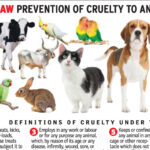
At the outset, it is essential to delineate what constitutes animal cruelty. The term encompasses a range of behaviors that inflict unnecessary suffering or harm on animals. These can include physical harm, psychological distress, neglect in providing adequate care, and exploitation for entertainment or experimental purposes. Different jurisdictions may define and categorize these actions variably, and understanding the legal terminology is crucial for effective advocacy.
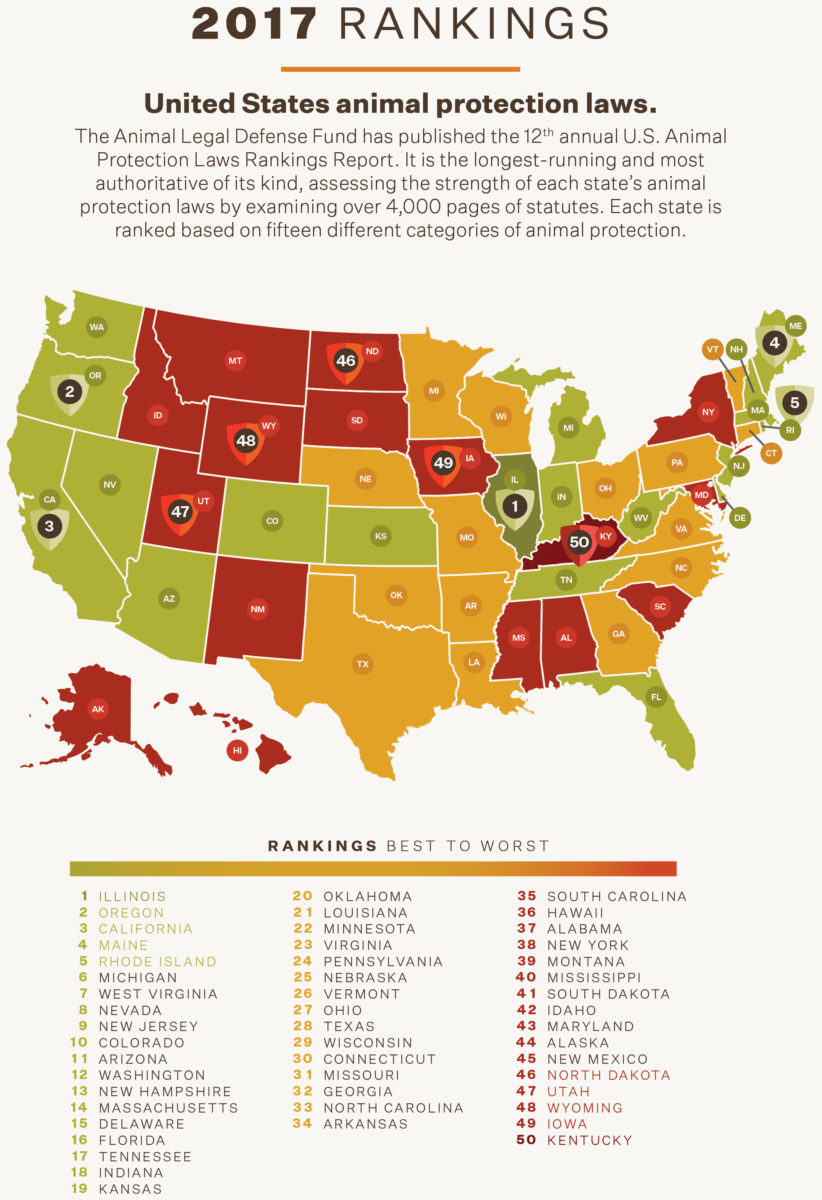
In the United States, animal cruelty laws are primarily state-specific, resulting in a patchwork of legislation. Each state has established statutes that articulate what constitutes animal cruelty, the penalties associated with such actions, and the processes by which charges can be filed. As a starting point, individuals concerned about potential acts of cruelty should familiarize themselves with the laws in their respective states.
Legal definitions of animal cruelty typically fall into two broad categories: active and passive cruelty. Active cruelty refers to intentional acts of violence, such as beating or killing an animal. Passive cruelty, on the other hand, often manifests through neglect, wherein an animal is deprived of basic necessities such as food, water, veterinary care, and shelter. Understanding these distinctions can lend clarity when gathering evidence and preparing to report crimes.
Once a potential case of animal cruelty is identified, it is crucial to document the observed behavior meticulously. Collecting concrete evidence serves as the bedrock of any legal action. This documentation may include photographs, videos, eyewitness accounts, and records of veterinary visits that substantiate claims of neglect or abuse. The more comprehensive the evidence, the more compelling the case becomes in the eyes of law enforcement and the judicial system.
After compiling evidence, the next step involves reporting the incident to the proper authorities. In numerous jurisdictions, local animal control agencies or humane societies are tasked with investigating claims of animal cruelty. Alternatively, law enforcement officers are generally equipped to handle incidents that exhibit criminal intent. When reporting, it is advisable to present the evidence collected in a coherent manner. Providing a clear narrative along with supporting materials can significantly enhance the likelihood of a thorough investigation.
Upon receiving a complaint, authorities will often conduct an investigation to determine the validity of the claims. Depending on the findings, they may file criminal charges against the offending party. Legal remedies for animal cruelty vary, but criminal charges commonly lead to either misdemeanors or felonies, contingent on the severity of the offense. Misdemeanor charges may result in fines, community service, or brief incarceration, while felonies can incur substantial penalties, including lengthy prison sentences.
In conjunction with criminal prosecution, victims of animal cruelty or their advocates may also pursue civil actions against the offenders. Civil suits allow for the recovery of damages incurred—this may include veterinary costs, emotional distress, and even punitive damages aimed at discouraging future misconduct. Civil cases generally require a lower burden of proof than criminal cases, which can be advantageous for plaintiffs seeking justice on behalf of abused animals.
It is imperative to remain cognizant of the legal protections available to whistleblowers and witnesses in cases of animal cruelty. Many states have enacted laws that protect individuals who report suspected animal cruelty from retaliatory actions. This facet is crucial in fostering a culture of accountability and vigilance, encouraging citizens to speak up without fearing for their livelihoods or safety.
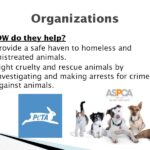
As the legal landscape surrounding animal cruelty evolves, advocacy organizations play a pivotal role in fostering change. These organizations often offer resources and training for individuals seeking to understand and navigate the legal processes of reporting and prosecuting animal cruelty. They also lobby for stronger animal protection laws and increased penalties for violators, emphasizing the need for comprehensive reform. The collective efforts of these groups reflect a growing societal recognition of the intrinsic rights of animals.
The interplay between legal mechanisms and societal attitudes cannot be overstated. Public consciousness surrounding animal welfare is gradually shifting, spurred by increased awareness and education. Social media campaigns, documentaries, and grassroots movements have illuminated the plight of countless animals, compelling communities to interrogate their legal frameworks and demand accountability from those who harm defenseless beings.
In conclusion, navigating the legal routes for charging animal cruelty requires an informed approach that blends diligent observation, meticulous documentation, and effective reporting. By working within the existing legal frameworks, citizens can champion the cause of animal welfare, ensuring that offenders are held accountable for their actions. As more individuals become emboldened to speak out against injustice, the prospects for meaningful change in the legal treatment of animal cruelty become increasingly tangible, contributing to a society where compassion towards all living beings is the norm rather than the exception.