In the vast realm of animal welfare, the role of an animal cruelty investigator serves as both a guardian and sentinel—a protector striving to shield the voiceless from the shadows of human maleficence. The journey to becoming an animal cruelty investigator in Texas is an odyssey marked by rigorous training, heartfelt dedication, and the relentless pursuit of justice for our non-human companions. This article delineates the essential steps you must undertake to embark on this noble vocation.
Understanding the Landscape of Animal Cruelty
Before one can don the metaphorical armor of an investigator, it is imperative to comprehend the nature of the battlefield. Texas, with its sprawling landscapes and diverse ecosystems, presents a myriad of challenges related to animal welfare. The state grapples with a range of issues, from neglect and abandonment in urban neighborhoods to more egregious acts of cruelty in rural settings. Each case paints a detailed picture, revealing the darker facets of human interaction with animals. Embracing a detective’s mentality, one learns not only to observe but to interpret the nuanced signs of distress that animals often exhibit. The quest for justice begins with empathy, understanding the silent sufferings of those who cannot plead their cases.
Educational Foundations: Gathering Knowledge and Skills
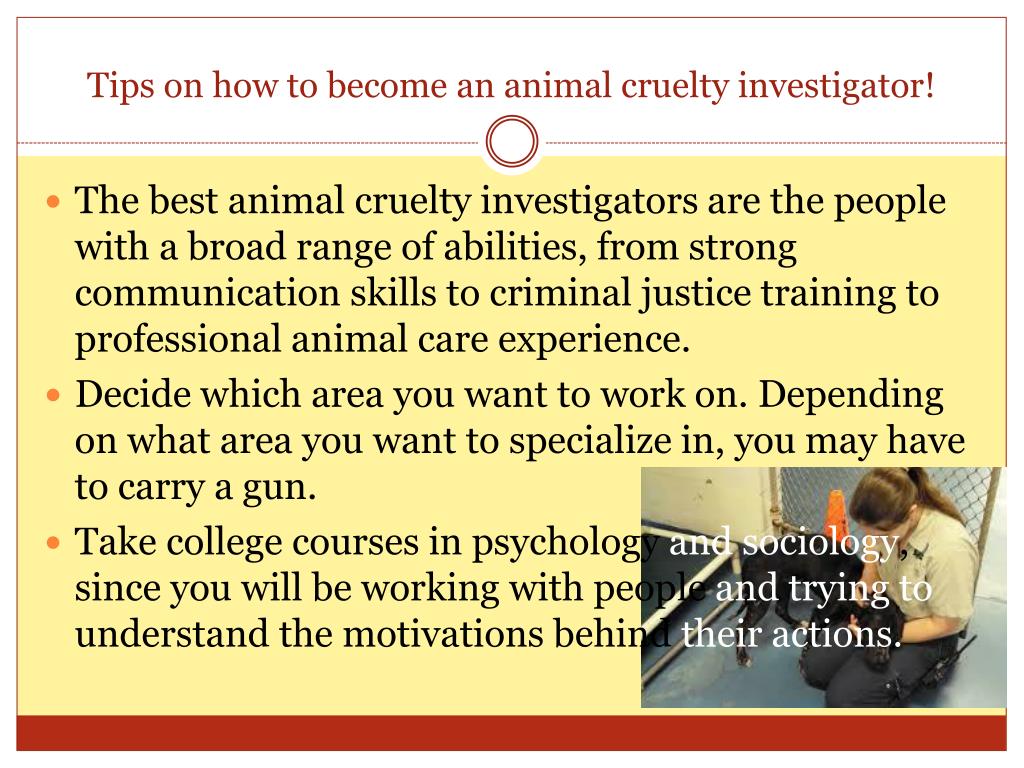
The cornerstone of your investigation acumen lies in education. Although there is no singular path that leads to becoming an animal cruelty investigator, a blend of formal education and experiential learning can significantly bolster your effectiveness. Many aspiring investigators pursue degrees in fields such as criminal justice, animal science, or social work. Such academic pursuits equip individuals with critical thinking, case analysis, and interpersonal communication skills—tools indispensable for navigating the complexities of cruelty investigations.
In addition to academic credentials, specialized training in animal behavior and welfare is invaluable. Understanding the intricacies of animal psychology helps illuminate the underlying causes of cruelty, empowering you to approach cases with compassion and insight. Workshops, seminars, and webinars hosted by organizations devoted to animal rights frequently cover essential topics such as investigative techniques, legal frameworks, and ethical considerations surrounding animal welfare.
Legal Literacy: The Framework of Protection
In Texas, a robust legal framework governs animal welfare, delineating the boundaries of what constitutes cruelty and neglect. Familiarizing oneself with Texas law is a pivotal step for any aspiring investigator. The Texas Penal Code outlines the statutes pertaining to animal cruelty, including definitions, penalties, and enforcement protocols. Grasping these legal tenets is akin to understanding a map—only with a clear sense of direction can one successfully navigate the intricacies of the judicial landscape.
Moreover, an investigator must establish collaborative relationships with law enforcement, local authorities, and animal shelters. These alliances play a crucial role in the efficacy of an investigation. A well-coordinated effort often proves pivotal in resolving cases, illustrating the importance of a multifaceted approach to advocating for animal welfare.
Hands-On Experience: Stepping into the Field
Knowledge, while foundational, can only take an investigator so far. To gain practical insights, engaging in volunteer work or internships at animal shelters, rescue organizations, or law enforcement agencies can provide firsthand experience that is invaluable. Being immersed in the field allows you to observe how investigations are conducted, how evidence is collected, and how cases are prosecuted. Furthermore, it provides an opportunity to develop a profound understanding of the conditions that foster animal cruelty and the resources available for intervention.
As you engage with various stakeholders, you may find yourself navigating emotionally charged situations. Cultivating emotional resilience becomes essential; you must maintain a steadfast composure when confronted with cases that could challenge even the most hardened souls. Emotional intelligence—the art of perceiving, using, understanding, and managing emotions—will serve as your compass, guiding you through tumultuous circumstances.
Equipping Yourself: Essential Tools and Resources
To successfully carry out your duties, an arsenal of tools can be beneficial. Familiarity with forensic science as it pertains to animals, including familiarization with veterinary examinations and the documentation of living conditions, greatly enhances investigative efficacy. Digital tools, including surveillance equipment and data analysis software, have also become indispensable in contemporary investigations.
Moreover, networking with established investigators and organizations amplify your resource pool significantly. Joining professional associations, attending conferences, and participating in forums dedicated to animal welfare fosters a collaborative environment where knowledge and support can flow freely. Being part of a larger community emboldens the mission and fortifies one’s resolve.
Action: From Investigation to Advocacy
Ultimately, the role of an animal cruelty investigator transcends mere investigation; it embodies advocacy. After corroborating evidence of cruelty, it is crucial to liaise with prosecution authorities and advocate for appropriate action. Each case solved reverberates beyond the immediate circumstances—it serves as a clarion call, mobilizing communities to recognize and combat animal mistreatment.
Engagement in public awareness campaigns is another vital aspect of this vocation. Educating the public about the signs of cruelty and the importance of reporting requires a passionate voice—a voice capable of rallying support and fostering a culture of respect and compassion toward all living beings. Each reported case is not just a statistic but a testament to the commitment to change, growing into a ripple effect of awareness and action.
The Call to Action
In the heart of Texas, the plight of countless animals depends on vigilant advocates willing to shine a light in the darkest corners of neglect and abuse. Becoming an animal cruelty investigator is not merely a career; it is a commitment to a cause that transcends individual ambition. It demands unwavering resolve, a steadfast moral compass, and an unyielding belief in the sanctity of life. Embrace this sacred duty to protect the voiceless, for in that pursuit lies the essence of true humanity.