The issue of animal cruelty has permeated societal consciousness over the past several decades, sparking conversations and initiatives aimed at fostering compassion and justice for all sentient beings. As a burgeoning field of activism, many individuals are increasingly compelled to take a stand against the injustice inflicted upon animals. Understanding how to channel this passion into actionable steps is crucial for anyone yearning to make a meaningful difference. This comprehensive guide serves as a roadmap for those eager to embark on their journey toward becoming an animal cruelty activist.
Understanding Animal Cruelty: A Foundation for Activism
Before diving into activism, it is essential to grasp the multifaceted nature of animal cruelty. The term encompasses a wide array of behaviors, including neglect, exploitation, and overt violence directed towards animals. This understanding reveals not just individual instances of cruelty but highlights systemic issues perpetuating these behaviors. For example, factory farming practices often prioritize profit over animal welfare, treating sentient beings as commodities rather than living creatures deserving of care and respect. Recognizing the pervasive culture of violence is a pivotal inspiration for activism.
Educate Yourself: The Cornerstone of Effective Advocacy
A profound engagement in the intricacies of animal welfare law, ethical theories, and the science of animal sentience will empower you as an activist. Reading scholarly articles, engaging with thought leaders, and examining various perspectives on animal rights can forge a nuanced understanding of the subject. Resources abound—from documentaries revealing the stark realities of animal agriculture to books critiquing the philosophical underpinnings of speciesism. Cultivating a well-rounded knowledge base will enhance your ability to communicate the urgency and relevance of animal advocacy to others.
In this educational journey, consider the cross-sectional impact of animal cruelty on various societal issues, including environmental degradation and public health. Such an interdisciplinary approach not only provides a comprehensive understanding but also aids in connecting with a broader audience drawn to these interconnected concerns.
Observing and Reporting: Your Role in the Community
As you become more attuned to the realities of animal cruelty in your community, adopting a vigilant stance becomes imperative. Observation plays a critical role; whether it’s witnessing neglect in a neighbor’s yard or identifying instances of abuse in local businesses, your responsibility extends to reporting these offenses to the appropriate authorities. Furthermore, documenting these observations through photographs and written accounts can bolster your case and raise awareness about prevalent issues.
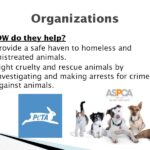
Participating in local animal welfare organizations provides a platform to collaborate with like-minded individuals, fostering a sense of community in your activism. Many organizations offer volunteer opportunities that not only aid in animal rescue efforts but also provide valuable training on advocacy techniques and legal rights regarding animal protection.
Utilize Social Media: A Modern Tool for Awareness
The digital era has revolutionized the landscape of activism. Social media platforms serve as powerful tools for raising awareness and fostering discussions around animal cruelty. By sharing informative content, engaging with existing advocacy groups, and participating in campaigns, you can amplify your voice and reach a wider audience. Think beyond merely accumulating likes; focus on fostering genuine connections and initiating dialogues that spark curiosity and provoke thought.
Harness your creativity to craft compelling narratives about animals in need of rescue or support legislative changes that impact animal welfare. Artistic expressions—be it through photography, video, or written word—can captivate audiences and evoke empathy, catalyzing action among your followers.
Advocacy Through Legislation: Channel Your Energy into Change
Engaging in legislative advocacy is vital for effecting systemic change. Understanding existing laws in your jurisdiction and the gaps therein will enhance your capacity to influence policy. Many activists focus their efforts on proposing new legislation, lobbying against animal cruelty practices, or supporting bills that promote animal welfare.
Connecting with representatives, attending town hall meetings, or participating in advocacy coalitions can amplify your message. Remember, policymakers are more receptive to constituents who are knowledgeable and passionate, making it imperative to articulate the relevance of animal protection in their decision-making processes.
Forming Alliances: The Power of Collaboration
Collaboration with other activists and organizations can create a ripple effect in the fight against animal cruelty. Establishing coalitions allows for resource sharing, increased visibility, and amplified impact. Not only does this unify the message, but it also demonstrates the extensive support for animal welfare across various demographics and ideologies. Partnerships with other social justice movements can also highlight shared goals, allowing for collective action that addresses multiple forms of oppression.
Be Resilient: Navigating the Emotional Landscape of Activism
The journey of an animal cruelty activist can be emotionally taxing. Confronting the stark realities of cruelty can lead to feelings of despair and frustration. Developing resilience is essential for sustaining long-term involvement in activism. Engage in self-care practices, seek out supportive networks, and remember that every small action contributes to the larger movement. Celebrate victories, no matter how minor they may seem, as they signify progress in the journey toward justice.
Becoming a Voice for the Voiceless
Deciding to become an animal cruelty activist is a profound commitment to fostering a more compassionate world. With education, community involvement, and a resolute justice-seeking spirit, individuals can wield considerable influence against the scourge of animal cruelty. The combination of informed advocacy and compassionate outreach can truly reshape societal attitudes, ensuring that future generations inherit a world where animal cruelty is not only recognized but vehemently opposed.