Animal cruelty is a pressing issue that reverberates across communities, particularly in New Jersey, where a robust framework of laws exists to protect animal welfare. Understanding the legal ramifications of such acts—and the related fines—is crucial for potential offenders, witnesses, and animal advocates alike. This article serves as a comprehensive guide to the nature of animal cruelty fines in New Jersey, focusing on various laws surrounding the treatment of animals.
New Jersey’s laws categorically address different forms of animal cruelty, ranging from neglect to deliberate harm. Under the New Jersey Statutes Annotated (NJSA), Title 4: Animals and Animal Husbandry, the legal structure delineates various offenses and their corresponding penalties. Primarily, animal cruelty is classified into two tiers: simple cruelty and aggravated cruelty.
Simple cruelty typically entails instances where an animal is subjected to unnecessary suffering. Acts of neglect, such as failing to provide adequate food, water, or medical care, fall under this umbrella. Violators can expect fines in the range of $1,000 to $3,000, which serve as a deterrent against indifferent behaviors. In addition to monetary fines, offenders may also face up to six months in prison. It is essential to recognize that repeated offenses can elevate the level of scrutiny and penalties faced by the perpetrator.
In contrast, aggravated cruelty signifies more severe offenses, often characterized by intentional acts of abuse that result in significant harm or death to an animal. Examples include beating, torturing, or otherwise inflicting fatal injuries. Such acts are felonies in New Jersey and carry more substantial repercussions. Fines can soar to $25,000 or more, along with a prison sentence that can last between 18 months and three to five years, depending on the severity and circumstances of the case. Not only do these penalties serve justice, but they also embody the societal condemnation against cruelty.
A critical aspect of New Jersey’s animal cruelty laws is their application across various contexts. For instance, laws also extend to pet shops and animal shelters. The state mandates that all businesses involved in the sale or care of animals adhere strictly to humane standards. Neglecting these regulations can result in significant fines, reinforcing the notion that all animals deserve proper treatment, regardless of their ownership status.
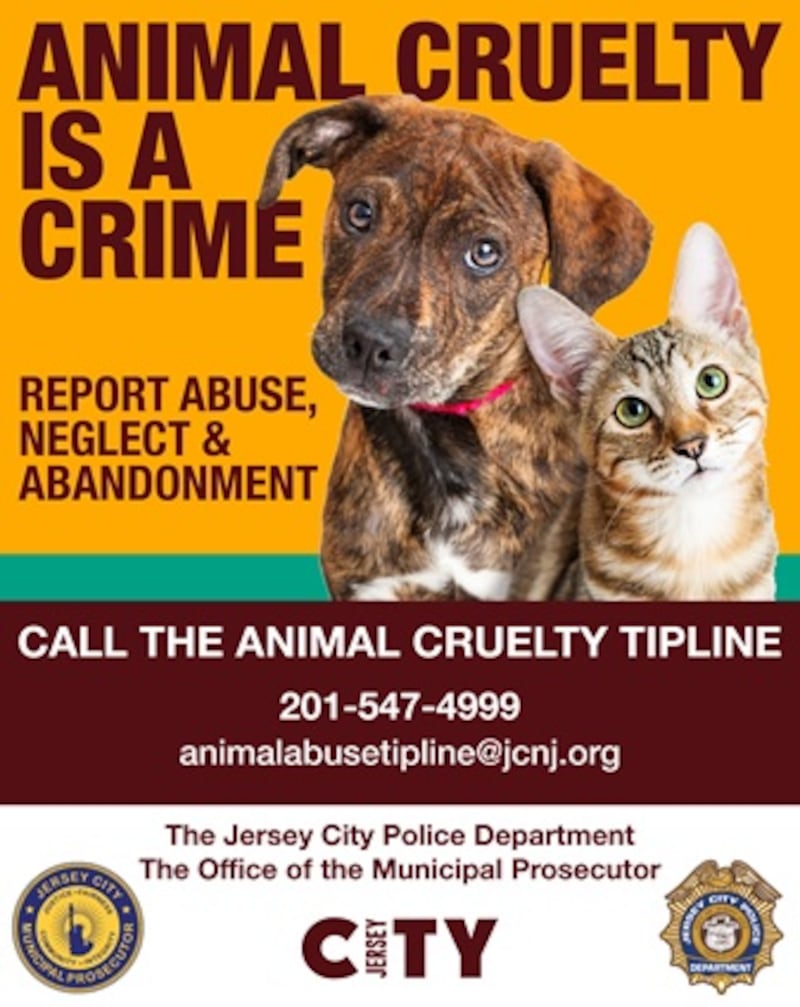
Furthermore, New Jersey empowers residents to take an active role in curtailing animal cruelty through initiatives such as tip lines for reporting abuse. Jersey City, for instance, has established a dedicated tip line where residents can report suspected animal cruelty incidents. This proactive approach not only allows individuals to become advocates for animal welfare but also underscores the community’s collective responsibility to protect vulnerable creatures.
One might ponder the varying degrees of punishment associated with animal cruelty. The rationale behind these discrepancies lies in the intention behind the offense and the resultant harm. A pivotal aspect of the legal system is the differentiation between negligence and malicious intent. While negligence might arise from ignorance or lack of resources, malicious intent reflects a conscious choice to inflict suffering. Therefore, understanding this distinction can be crucial when interpreting potential fines and legal consequences.
Moreover, it’s notable that animal cruelty laws in New Jersey are evolving to encompass broader societal changes and ethical considerations. For example, legislation has increasingly focused on the practices of puppy mills and the cruel breeding of animals for profit. Efforts to penalize individuals or businesses engaging in such despicable practices amplify the ongoing fight against commodification of animals, which is often at the heart of systemic cruelty.
In addition to fines and imprisonment, animal cruelty offenders may also be subject to civil lawsuits from individuals or organizations adversely affected by their actions. Victims and advocates can pursue damages for emotional distress, veterinary bills, or other losses incurred due to the mistreatment of animals. Such avenues not only provide financial restitution but also promote a culture that recognizes the profound impact of animal abuse on communities.
The role of advocacy groups cannot be understated in the context of New Jersey’s animal laws. Organizations dedicated to animal welfare work tirelessly to lobby for stricter regulations and to raise public awareness about the issue of cruelty. Through educational outreach, they help inform the public about the importance of reporting suspected abuse and the legal mechanisms available to address these heinous acts. These collaborative efforts between the community and advocacy groups play a vital role in ensuring that animal cruelty does not go unchecked.
As we delve deeper into understanding New Jersey’s animal laws, it becomes increasingly evident that the fight against animal cruelty requires a concerted effort. From enacting legislative measures to grassroots advocacy, each facet contributes to a more compassionate society. The penalties surrounding animal cruelty—while strict—are just a component of a broader tapestry that aims to safeguard the welfare of every creature.
In conclusion, the fines related to animal cruelty in New Jersey are significant and serve as a reminder of society’s moral obligation to protect its most defenseless. By familiarizing oneself with the laws and actively participating in advocacy, individuals can help to forge a future where animal cruelty is not only prosecuted but eradicated. The journey may be long, but the compassionate treatment of animals deserves every effort.