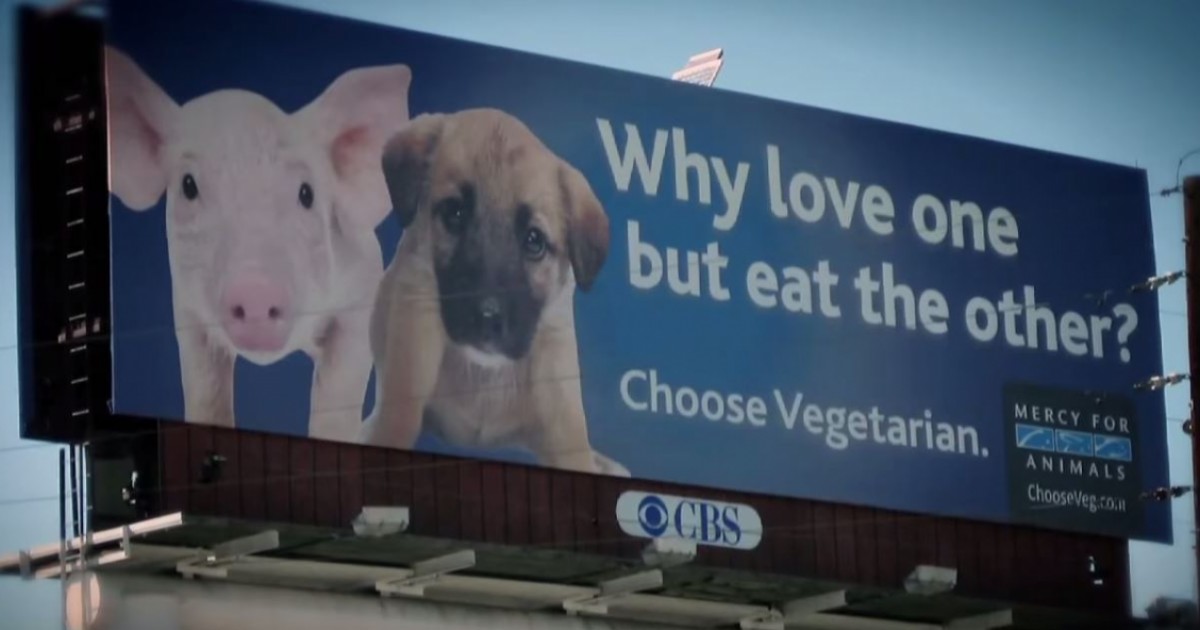
In an age marked by staggering advancements in science, technology, and humanitarian values, the lingering specter of animal cruelty remains an insatiable wound on the fabric of our societies. It seems that in our quest for convenience, indulgence, and ease, we have become desensitized to the egregious suffering endured by animals. The question arises: *How much cruelty can you swallow?* This inquiry ventures beyond mere dietary choices; it probes the moral abyss that underpins our complacency in the face of systemic brutality inflicted upon sentient beings.
At the heart of this discomfiting dilemma lies an inclination for willful ignorance. Many individuals shield themselves from the realities of factory farming, vivisection, and the exploitation of animals for entertainment. It is far too easy to ensconce oneself in the cocoon of modern living, where the meat on our plates, the leather in our closets, and the experimentation conducted in sterile laboratories remain abstract images—faint echoes of suffering that dissipate before they can fully resonate. But if one scratches the surface of this glossed-over reality, a malevolent truth emerges, one that beckons us to confront our complicity and urges introspection.
Factory farming epitomizes the atrocity hidden beneath the comfortable facade of accessible meat products. The sheer scale of suffering depicted in grim documentaries and investigative reports is sufficient to jar even the most indifferent consumer. Thousands of animals are crammed into confined spaces, subjected to inhumane living conditions that breed disease and distress. The clamor of desperate cries, the heart-wrenching resignation in their eyes, form a tableau of despair that underscores an unsettling reality: we are complicit in this suffering, not merely as consumers, but as a society that turns a blind eye.
Moreover, our fascination with animals cannot be disentangled from our proclivity for commodification. While we often celebrate the intelligence, beauty, and unique characteristics of various species, such admiration starkly contrasts with the mercenary treatment they receive. We behold animals with wide-eyed wonder at sanctuaries or wildlife documentaries, yet, paradoxically, we sanction their exploitation for entertainment. Circuses, zoos, aquariums—the list is extensive and speaks to our contradictory nature. As spectators, we enjoy these exhibitions, while ignoring the anguish that defines the animals’ existence within them. It raises a profound question: does our fascination stem from an empathetic connection, or is it a veil for the depravity of our actions?
This cognitive dissonance is not merely an individual failing but a societal conundrum. Commercial interests have thrived by capitalizing on this ambivalence, perpetuating a cycle of consumption and cruelty. The grotesque irony is that many consumers, when confronted with the ugly truths beneath the glossy surfaces, find themselves racked with guilt yet paralyzed by habituated behavior. Busy lives allow for easy excuses: “I don’t have time to change,” “It’s too complicated,” or “I’ve always eaten meat.” In this whirlwind of justifications, the very premise of moral responsibility becomes ensnared, sidelining the plight of the voiceless and the vulnerable.
As uncomfortable as it may be, a wake-up call is necessary. Cultivating awareness becomes paramount. Too often, discussions around animal rights are reduced to veganism or vegetarianism, sidelining the vast spectrum of ethical considerations involved. It warrants a more nuanced approach—acknowledging that compassion extends beyond dietary changes to activism in many forms. Each of us holds the power to effect change, whether through conscious consumerism, supporting legislation aimed at animal welfare, or spreading awareness.
Education acts as a catalyst in this transformative journey. Delving into literature and documentaries that portray the stark realities of animal exploitation shifts perceptions and serves as an impetus for action. The likes of *Earthlings* or *My Octopus Teacher* present starkly divergent narratives: one steeped in torment, the other in connection. They emphasize the environmental, psychological, and emotional ramifications of our relationship with animals.
Additionally, it is crucial to establish a discourse that fosters empathy toward animals, cultivating a new generation that values coexistence over exploitation. Engaging children in conversations about animal welfare, encouraging respect for all living beings, and fostering a sense of responsibility for their treatment can prove transformative. With this shift in ideological underpinnings, we can lay the groundwork for a future where the atrocities of today are mere vestiges of a cruel past.
Furthermore, the intersectionality of social justice movements illustrates that the struggle against animal cruelty is interconnected with broader humanitarian efforts. Many advocates for animal rights also champion environmental protection and human rights, recognizing that systematic exploitation is a multifaceted issue. The fight against one form of oppression inevitably enriches the struggle against others, highlighting an essential harmony in advocacy for all beings, human and non-human alike.
We stand at a pivotal juncture, wherein our choices define the world we shape. The adage, “What we tolerate, we endorse,” rings particularly true. The question: *How much cruelty can you swallow?* beckons every individual to introspect and re-evaluate their stance. As empathy burgeons, complacency must yield to actionable change. With resolve, we can curtail the tide of animal cruelty, reclaiming our moral responsibilities in service to a just and compassionate world. The future waits, and it is our profound duty to breathe life into the principles of kindness we espouse.