In the annals of human history, the specter of animal cruelty has loomed large, often overshadowed by societal indifference. Each year, a staggering number of animals endure unspeakable torment, their stories obscured in the cacophony of daily life. From the confines of puppy mills to the slaughterhouses, these creatures suffer silently, their pain seldom acknowledged. This phenomenon is not merely an aberration but rather a reflection of broader sociocultural issues intertwined with human behavior, values, and norms.
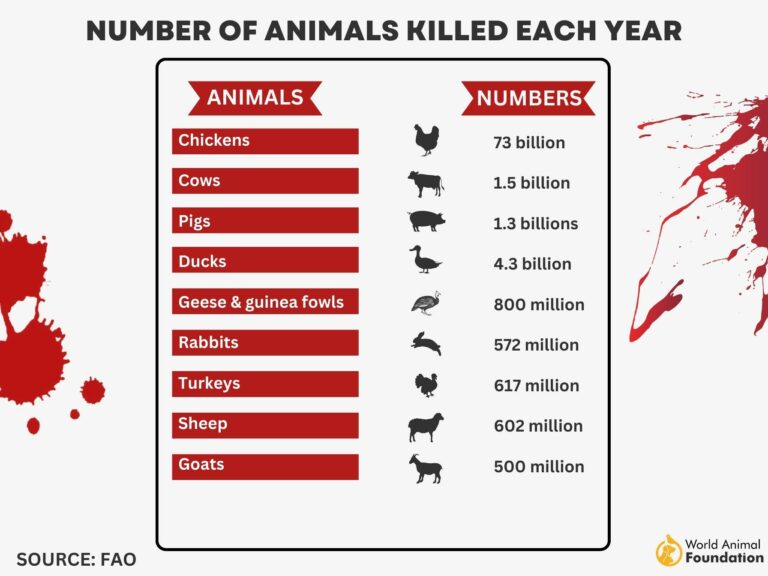
The statistics on animal cruelty are sobering. An estimated 1 million animals are abused annually in the United States alone. This figure encompasses a vast spectrum of suffering, from the overt—a pet beaten by its owner—to the insidious, such as neglect in shelter environments. Beyond the gruesome statistics, one must delve deeper to unravel the intricate web of factors contributing to this crisis.
At the heart of the matter, the normalization of violence against animals often mirrors an unsettling tendency in human interactions. Studies suggest a correlation between childhood exposure to cruelty and the perpetuation of those behaviors in adulthood. This cyclical pattern poses a profound question: what drives individuals to inflict pain on innocent beings? Many experts argue that societal desensitization plays a pivotal role. As individuals grow immersed in environments where cruelty is excused—be it for entertainment or economic gain—the line between acceptable and unacceptable behavior blurs perilously.
In exploring the hidden facets of animal cruelty, one must consider the influence of popular culture. Media representations often trivialize the suffering of animals for the sake of entertainment, perpetuating a narrative where violence against animals is normalized. Reality television portraying the exploitation of animals, online videos showcasing dog fights, and hunting shows glamorizing the killing of wildlife create a disturbing dichotomy. While some view these as mere spectacles, they desensitize audiences to the genuine pain inflicted on sentient beings.
Moreover, economic factors significantly contribute to the prevalence of animal cruelty. The commodification of animals, especially in industries like factory farming and fur production, sends a resonant message: the value of life is contingent upon profitability. Animals raised for consumption are often subjected to inhumane conditions, enduring extreme confinement, deprivation, and ultimately, a brutal death. These practices are not merely the result of negligence; they are systematically ingrained within the framework of capitalism. As demand for cheap meat and animal products grows, so too does the suffering of countless animals.
In addition to systemic issues, psychological factors can drive individuals to commit acts of cruelty. Animal abuse is often intertwined with domestic violence; perpetrators frequently target pets as a means of control or intimidation. This troubling trend highlights a deep-seated connection between human aggression and violence against animals, underscoring the need for comprehensive intervention strategies that address the root causes of such behavior. Understanding that animal cruelty is not an isolated phenomenon, but rather a symptom of broader societal ills is crucial in devising solutions.
Furthermore, the role of legislation cannot be overstated. While some countries and states have enacted animal welfare laws, the scope and enforcement of these regulations vary significantly. In many regions, the penalties for animal cruelty remain woefully inadequate. This disparity fosters an environment where the exploitation of animals continues unabated, as offenders perceive little risk of consequence. Strengthening legal frameworks and ensuring rigorous enforcement are vital steps in the fight against cruelty. Comprehensive animal protection laws can serve as a deterrent, providing a clear statement that society will not tolerate violence against its most vulnerable inhabitants.
Moreover, it is essential to recognize the contributions of grassroots movements and organizations dedicated to combating animal cruelty. Activists work tirelessly to raise awareness, educate the public, and promote humane treatment of animals. Through campaigns, community outreach, and legislative advocacy, these groups strive to illuminate the hidden pain endured by countless creatures. Their efforts are vital in shifting public perception and cultivating a culture of empathy and respect towards all living beings.
Education plays a pivotal role in mitigating animal cruelty. Teaching empathy and compassion from an early age can shape future generations’ attitudes towards animals. Programs that incorporate humane education into school curricula encourage children to recognize the emotional and physical needs of animals, fostering a sense of responsibility for their welfare. By instilling these values, we can potentially curtail the cycle of abuse and foster a more compassionate society.
In conclusion, the issue of animal cruelty extends far beyond isolated incidents; it is an indictment of our collective humanity. The grim statistics underscore a reality that many prefer to ignore. However, shining a light on this hidden pain is vital. We must confront our values, scrutinize our behaviors, and challenge the societal norms that allow such cruelty to persist. Only by acknowledging the complexities of animal suffering can we hope to enact meaningful change, ensuring a more compassionate world where all beings—human and animal alike—can coexist in harmony.