The question of whether Georgia possesses felony-level animal cruelty laws often stirs passionate debate among residents and activists alike. Georgia, predominantly known for its Southern charm and hospitality, has faced criticism regarding its treatment of animals under the law. As concerns over animal welfare continue to intensify, understanding the nuances and implications of the state’s legal framework becomes crucial.
At the outset, it is essential to delineate what constitutes animal cruelty under Georgia law. The term broadly encompasses actions that cause harm or suffering to animals, deliberately or through neglect. Under Georgia’s Animal Cruelty Act, several forms of mistreatment are explicitly prohibited, including beating, torturing, and otherwise inflicting physical and mental suffering on domestic animals.
However, the classification of these offenses carries significant weight. While Georgia does categorize some animal cruelty as a felony, the threshold for such designations and the resulting penalties warrant closer examination. In fact, the state recognizes two tiers of animal cruelty convictions: misdemeanor and felony. A misdemeanor charge, typically applicable for less severe violations, can result in fines and limited jail time. This classification tends to ignite frustration among those advocating for stronger protections for animals.
The pivotal distinction comes with felony-level charges, which apply in certain aggravated scenarios. Under Georgia law, a person can be charged with felony animal cruelty when they intentionally kill or cause severe injury to an animal. The potential penalties are starkly more substantial, often involving imprisonment for one to five years and, in some cases, higher fines. The legal framework certainly indicates acknowledgment of the severity of certain acts against animals; however, questions persist regarding why such serious measures aren’t uniformly applied across all categories of cruelty.
Analyzing the legal environment reveals deeper socio-cultural dynamics at play. Georgia’s rich agricultural heritage bolsters a complex relationship with animals, where livestock and pets often occupy drastically different places in societal consciousness. This divergence becomes evident in the laws that protect domesticated pets versus those governing farm animals. The legal protections afforded to felines and canines appear robust in comparison to those extended to livestock, which may endure a range of unethical treatment without similar repercussions.
Moreover, the challenge of enforcing animal cruelty laws in Georgia lies in the allocation of resources and public awareness. Despite a burgeoning movement advocating for animal rights, many local communities remain unaware of the specific legalities concerning animal welfare. This ignorance can lead to underreporting instances of cruelty, further complicating enforcement efforts. Advocates argue for a more cohesive educational outreach to equip citizens with knowledge about their rights and responsibilities regarding animal treatment.
Furthermore, the role of local shelters and rescue organizations in addressing animal cruelty cannot be understated. These entities often act as the first line of defense against cruelty. When local authorities fall short of providing adequate intervention, these organizations step in to rehabilitate and rehome animals that have suffered negligence. However, their efforts are frequently hampered by limited funding and an overwhelming influx of animals in need of assistance.
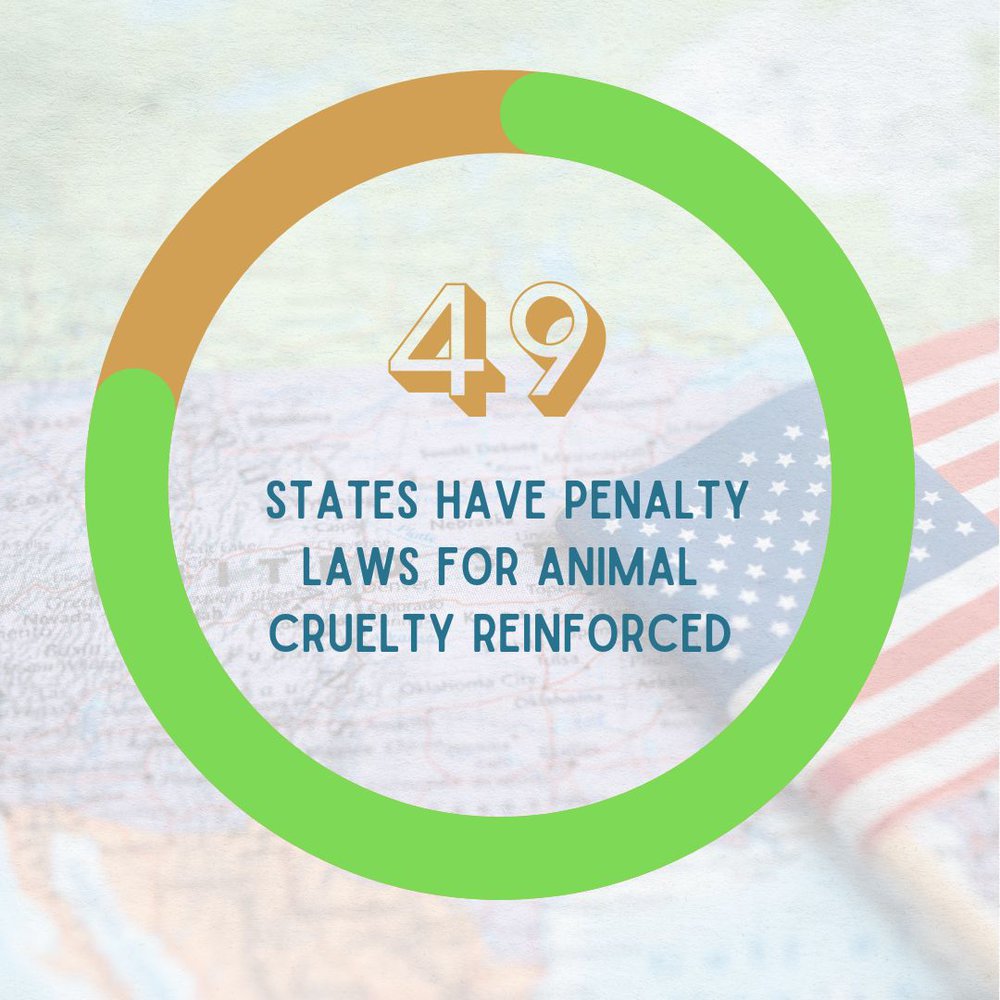
Moreover, the progression of animal welfare reforms throughout the United States illustrates a broader national trend that Georgia is a part of, albeit at a different pace. Several Southern states have begun to adopt stronger protections against animal cruelty, reflecting shifting public attitudes toward animal ethics. Georgia’s responsiveness to these trends will be crucial in shaping its future legislative landscape.
In essence, while felony-level animal cruelty laws do exist within Georgia’s legal framework, a nuanced understanding reveals a patchwork of legislation that often leaves much to be desired. The emotional and practical ramifications of animal cruelty transcend the confines of mere legal stipulations. As such, the push for reform must encompass not only stringent legislative changes but also a cultural shift that fosters empathy and responsibility towards all living creatures.
This cultural shift must start at a grassroots level, where education plays a pivotal role. Awareness programs targeting schools, community centers, and public spaces can challenge the prevailing perceptions surrounding animal treatment. By encouraging compassionate stewardship rather than mere compliance with the law, Georgians can cultivate a collective consciousness that respects the rights of animals and recognizes the moral imperatives associated with their care.
The relationship between humanity and animals should transcend the legalities of treatment; it should reflect a broader understanding of our shared existence and responsibilities. Commitments to advocating for more robust protections for all animals in Georgia could very well foster a ripple effect across the surrounding Southern states, bolstering a united front in the fight against animal cruelty.
In conclusion, while Georgia does have felony-level animal cruelty laws, their implementation raises significant questions about the effectiveness of current statutes and societal attitudes toward animal welfare. A multifaceted approach that intertwines legislative reform with education and advocacy could herald a transformative era for animals in the state. It is only through such concerted efforts that Georgia can hope to emerge as a beacon of compassion and humane treatment for all creatures, large and small.