Animal cruelty remains a palpable concern in the United States, a nation that prides itself on championing rights and liberties. Yet, when it comes to the welfare of animals, gaps in legal protection manifest themselves glaringly. Various states have instituted laws concerning animal cruelty, prompting the question: do we need a federal animal cruelty law? This inquiry opens the door to a deeper exploration of animal rights and the legal framework that currently governs protections against cruelty.
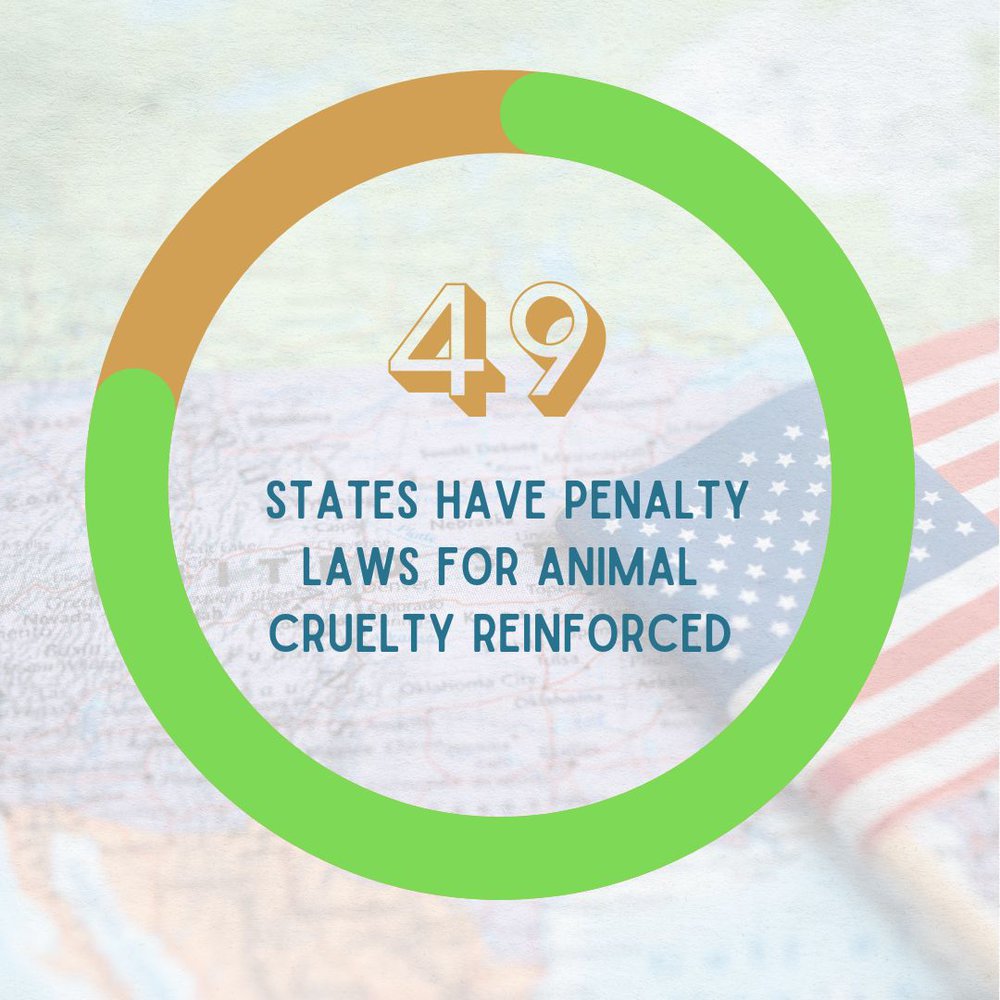
Currently, the scope and severity of animal cruelty laws vary significantly from state to state. While some states have rigorous statutes prohibiting acts of cruelty, others offer minimal protection, resulting in a patchwork of enforcement. For instance, the statutory definitions of animal cruelty can differ widely, encompassing everything from intentional malice to neglect. This inconsistency not only confuses potential prosecutions but also diminishes the overall deterrent effect of such laws. A federal law could standardize definitions and penalties, ensuring that animals receive equitable protection across all states.
Moreover, the existing state laws often fail to address the underlying motivations for animal abuse. The phenomenon of cruelty towards animals is frequently intertwined with broader social issues. Research has shown that individuals who abuse animals may also engage in violent behavior towards humans. Unfortunately, state-level legislation often falls short of recognizing this connection. Federal involvement could facilitate a more holistic approach to addressing animal cruelty, integrating psychological evaluation and intervention into the judicial process.
One might argue that federal legislation could lead to an infringement on states’ rights, sparking contention among lawmakers. However, the argument for a federal animal cruelty law is compellingly grounded in the ethical obligation to protect sentient beings from suffering. Across all demographics, there exists a palpable reverence for animals and a collective moral indignation towards inflicting suffering upon them. By instituting a comprehensive federal law, the federal government would send a clear signal: animal cruelty is unacceptable, regardless of geographical boundaries.
Additionally, the need for a federal law is accentuated by the rise of internet-facilitated abuse. The digital age has ushered in a surging proliferation of heinous acts broadcasted for shock value, trafficking in animal cruelty as a form of entertainment. Such actions are often perpetrated across state lines, sidestepping the jurisdictional constraints that exist in current laws. A consolidated federal approach would encompass all regions, thereby closing loopholes that improve perpetrators’ evasion of the law.
Addressing the technological developments involving animal abuse also opens a discussion regarding the role of welfare organizations and advocacy groups. These entities operate on both state and national levels, working tirelessly to combat cruelty and provide sanctuary for suffering animals. In the absence of federal legislation, many organizations find themselves straining resources and navigating bureaucratic hurdles, often leading to inconsistent care. A structured federal law could streamline these operations, allowing for enhanced coordination between various organizations while augmenting resources available for education and prevention initiatives.
One cannot overlook the economic implications surrounding animal cruelty. The premature ending of an animal’s life or the neglect of an animal’s well-being often leads to subsequent health crises for communities and increased burden on public resources. Animals that are not cared for properly can pose public health risks, thus resulting in financial repercussions for local governments. Thus, the economic argument provides a pragmatic framework for justifying federal intervention in animal welfare legislation.
In examining the scope of what a federal animal cruelty law could entail, one would envision robust measures including: stricter penalties for proven cases of cruelty, the establishment of a national registry for offenders, comprehensive guidelines for the treatment of domesticated and wild animals, and collaborative partnerships with animal protection agencies. This framework not only protects animals but also provides communities with the tools necessary for education and intervention with regard to potential cruelty cases.
It is crucial to consider public opinion regarding animal welfare. Surveys indicate that a significant majority of Americans support stronger protections for animals and regard cruelty as an issue of ethical importance. The growing voice of the electorate could serve as an impetus for legislative change. Mobilizing public sentiment around these issues can foster a culture that prioritizes compassion for animals, influencing lawmakers to prioritize animal welfare initiatives.
A comprehensive federal animal cruelty law would signify a monumental shift in societal values, promulgating an understanding that the welfare of animals is an integral part of the American ethos. Society must confront its collective responsibility to ensure that animals are given the rights and protections they inherently deserve. By acknowledging the deeper societal implications of animal cruelty, we can begin to pave the way towards a legal framework that is both just and compassionate.
In conclusion, the necessity for a federal animal cruelty law in the United States cannot be overstated. The myriad benefits, including standardization of protections, addressing underlying causes of abuse, modernization of legal frameworks in response to technological advancements, economic rationality, and alignment with public sentiment, all converge to argue for cohesive, nationwide protection of animals. As we move forward, this call to action is not merely an ethical obligation; it is a moral imperative that necessitates immediate attention and decisive action.