Throughout history, the profound bond between humans and animals has captivated our collective imagination. This relationship is often underscored by acts of compassion, yet it also reveals a darker underbelly: animal cruelty. Incidents of abuse, neglect, and exploitation of animals provoke visceral reactions in society. Amidst this disturbing reality, a critical question arises—do police handle animal cruelty cases? Understanding the role of law enforcement in these matters requires an examination of the legal framework, the responsibilities of officers, and the societal implications that surround these heinous acts.
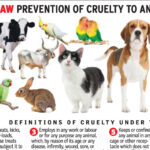
Animal cruelty is defined variably across jurisdictions, often encompassing acts that cause unnecessary suffering or harm. It includes a range of actions, from abandonment and neglect to outright violence. In 1976, the Animal Welfare Act was enacted, providing a federal baseline for the treatment of animals in various contexts, including research, exhibition, and transport. However, enforcement of animal welfare laws largely falls under state jurisdiction, resulting in a patchwork of legal definitions and corresponding penalties that can differ significantly from one location to another.
In the majority of states, police officers possess the authority to investigate allegations of animal cruelty, just as they would any other crime. However, the extent of their involvement often hinges on the availability of specific animal control laws and the resources allocated to address such issues. Numerous police departments have designated animal control units or partnerships with humane societies that facilitate a more specialized response to cruelty cases. These units often have trained officers who are well-versed in the intricacies of animal behaviors and welfare standards, allowing them to approach cases with a nuanced perspective.
The practical engagement of law enforcement with animal cruelty cases can be multifaceted. Initial reports of abuse may come from vigilant citizens, animal control personnel, or even veterinary professionals who observe signs of maltreatment. Upon receiving a complaint, police officers typically initiate an investigation, which can involve assessing the animal’s condition, interviewing witnesses, and collecting evidence. This often requires collaboration with animal welfare organizations that can provide expert testimony or care for animals in distress.
While police have a crucial role in responding to animal cruelty, their involvement is often hindered by several challenges. One notable issue is the underreporting of animal cruelty incidents. Many cases go unrecognized or unreported, either due to lack of awareness, apathy, or fear of retribution from the perpetrator. Moreover, cultural attitudes towards animals can significantly affect public perception and legislative action regarding animal mistreatment. In communities where animals are viewed primarily as property, reports of cruelty may be met with indifference, undermining the seriousness of the offense.
Furthermore, the legal ramifications of animal cruelty can be disproportionately lenient in many jurisdictions. Animals, often considered personal property, may not receive the same level of protection as human victims of crime. Penalties vary widely—while some states impose substantial fines or prison time, others may only issue a slap on the wrist. This incongruity can dissuade police from prioritizing such cases, especially when their resources are already stretched thin. In light of these challenges, it’s crucial for society to advocate for stronger laws and better training for police officers in recognizing and dealing with animal cruelty.
Legal frameworks aside, there is a psychological dimension at play when discussing the role of police in animal cruelty cases. Many law enforcement officers may find emotionally charged situations particularly challenging. Witnessing the suffering of an animal can weigh heavily on their conscience, leading to feelings of helplessness if they cannot enact change swiftly. This psychological strain can deter some officers from engaging deeply with such cases, especially if they lack adequate training or support systems in place.
The relationship between animal cruelty and broader social issues cannot be overlooked. Research indicates a correlation between animal abuse and other types of violent crime. Individuals who engage in cruelty towards animals often have histories of violence towards humans and may perpetuate cycles of abuse. With this understanding, it becomes increasingly apparent that addressing animal cruelty is not merely an isolated concern, but rather a facet of a wider societal responsibility. Police involvement is essential, yet it must be part of a concerted effort that includes community awareness, legislation, and mental health resources for both officers and offenders.
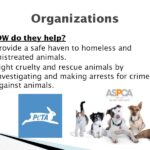
Public awareness campaigns can galvanize communities to take a stand against animal cruelty. Such efforts can empower residents to report suspicious activities and advocate for harsher penalties for offenders. Local partnerships between police departments and animal welfare organizations are invaluable for providing training, resources, and public outreach initiatives. Together, they can create a safer environment not just for animals, but for the community as a whole. For instance, educating citizens about recognizing signs of neglect or abuse can serve as a deterrent to potential offenders while fostering a culture of vigilance and compassion.
In conclusion, while police do handle animal cruelty cases, the efficacy of their involvement depends largely on the legal status of such offenses, available resources, and cultural attitudes toward animals. Greater efforts must be undertaken to improve law enforcement’s response to these matters, recognizing that the fight against animal cruelty is a multifaceted challenge. As society continues to grapple with this pressing issue, it becomes imperative to advocate for more comprehensive legislation, enhanced police training, and public engagement that collectively elevate the importance of animal welfare within our legal framework. Only through these concerted efforts can we hope to effect meaningful change, ensuring that our four-legged companions receive the protection and care they deserve.