The issue of animal cruelty has long been a contentious subject, stirring deep emotions and prompting organized activism. Over the years, various regulations have aimed to safeguard the welfare of animals. However, recent legislative shifts have raised alarming concerns regarding the potential rollback of these crucial protections. This article explores the recent legal changes impacting animal cruelty regulations, assessing the implications they have on the protection of animals.
The landscape surrounding animal welfare is complex and multifaceted. It comprises a patchwork of federal, state, and local laws, each with its own stipulations and enforcement mechanisms. Historically, federal laws, such as the Animal Welfare Act (AWA), provided a foundational legal framework for protecting certain animals, particularly those involved in research and exhibition. However, these laws have often been criticized for their limitations, as they exclude numerous species, including farm animals and certain types of wildlife.
In recent months, various states have proposed or enacted legislation that modifies the existing animal cruelty regulations. These changes can manifest in a myriad of forms ranging from the relaxation of penalties for violators to outright deregulation in certain industries. Such legislative maneuvers often invoke the rhetoric of economic development or personal freedoms, but the implications for animal welfare can be severe.
One prominent example is the introduction of bills aimed at scaling back surveillance and enforcement oversight for factory farms. These establishments, known for keeping a high concentration of animals, often face scrutiny for their treatment of livestock. Recent legislative changes in some regions allow these facilities to operate with reduced transparency, making it more difficult to monitor animal welfare conditions. The argument that such deregulation promotes agricultural interests disregards the ethical responsibility to ensure humane treatment.
Another concerning trend is the shift in enforcement priorities within animal control agencies. As funding and resources are allocated to other areas, many animal cruelty cases are either deprioritized or inadequately addressed. Animal control officers often find themselves grappling with resource limitations, leading to a situation where numerous complaints may go uninvestigated. Consequently, this results in a chilling effect on efforts to strictly enforce current regulations.
Moreover, the rise of “ag-gag” laws in various states illustrates another facet of this complex issue. These laws, which seek to criminalize the unauthorized filming of practices within agricultural facilities, serve to curb whistleblowing and public exposure of animal cruelty. By stifling critical documentation of malpractices, these legislations effectively shield abusive operations from accountability. Ultimately, the proliferation of such laws not only undermines societal efforts to combat cruelty, but also hampers the push for systemic reform in the agricultural industry.
Even more disconcerting is the lack of comprehensive federal legislation addressing animal cruelty. The federal government’s infrequent application of the AWA to high-risk animal industries raises questions about the consistency of protections afforded to animals. While the federal law remains in place, the enforcement agencies often face challenges related to political will and administrative focus, leading to gaps in protection. These shortcomings highlight the urgent need for a unified movement advocating for stronger, more encompassing legislation.
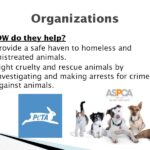
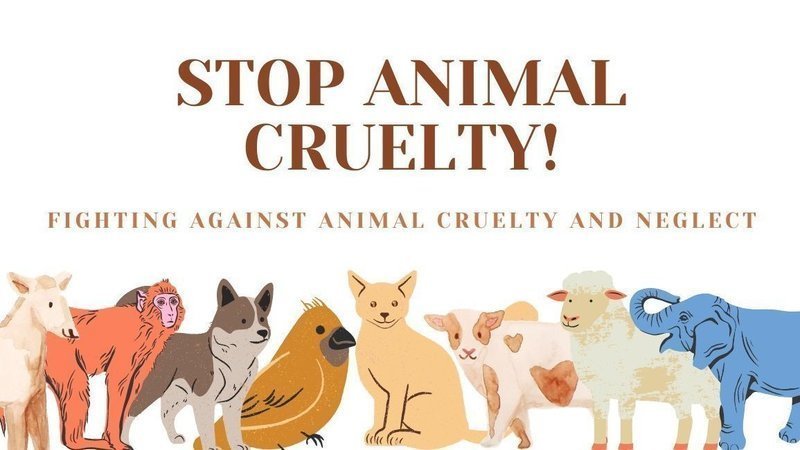
As animal advocates recognize the critical juncture at which we find ourselves, it becomes essential to engage the public in discussions surrounding animal cruelty regulations. Prominent organizations and grassroots entities are actively mobilizing to raise awareness about vulnerabilities within the legal framework. Campaigns that spotlight cases of animal abuse and the legal loopholes exploited by perpetrators can galvanize public outrage and demand for change. The visual impact of powerful imagery, such as thought-provoking posters, plays a crucial role in disseminating information and fostering public empathy.
It is equally important to explore the various ways supporters of animal welfare can engage with the legal system. Advocacy can take many forms; individuals can contact their representatives, participate in public forums, or collaborate with organizations focused on legal reform. Many are also utilizing social media not just as a platform to share information, but as a means to engage and mobilize their communities. It’s vital that people understand the power they hold to influence policy by demonstrating collective sentiment against cruelty to animals.
To combat the potential rollback of animal welfare protections effectively, it is imperative to cultivate a well-informed public. Educational campaigns that inform citizens about the realities of factory farming, animal testing, and companion animal neglect can challenge prevailing apathy. In an era where information is readily accessible, fostering awareness through multimedia presentations and detailed resources can help in enacting change.
The implications of recent legal changes on animal cruelty regulations are profound and far-reaching. With each rollback, the specter of abuse looms larger, threatening to undermine decades of advocacy and progress. Every individual has a stake in this issue; complacency is not an option. Collective action, informed engagement, and sustained advocacy are essential components in fostering stronger, more resilient animal welfare laws.
As the battle against animal cruelty evolves, it is equipped with both challenges and opportunities for reform. Through a commitment to vigilance, education, and activism, society can foster a culture that prioritizes compassion and respect for all living beings. The time to act is now, as the stakes remain high, and even the smallest effort can catalyze monumental change.