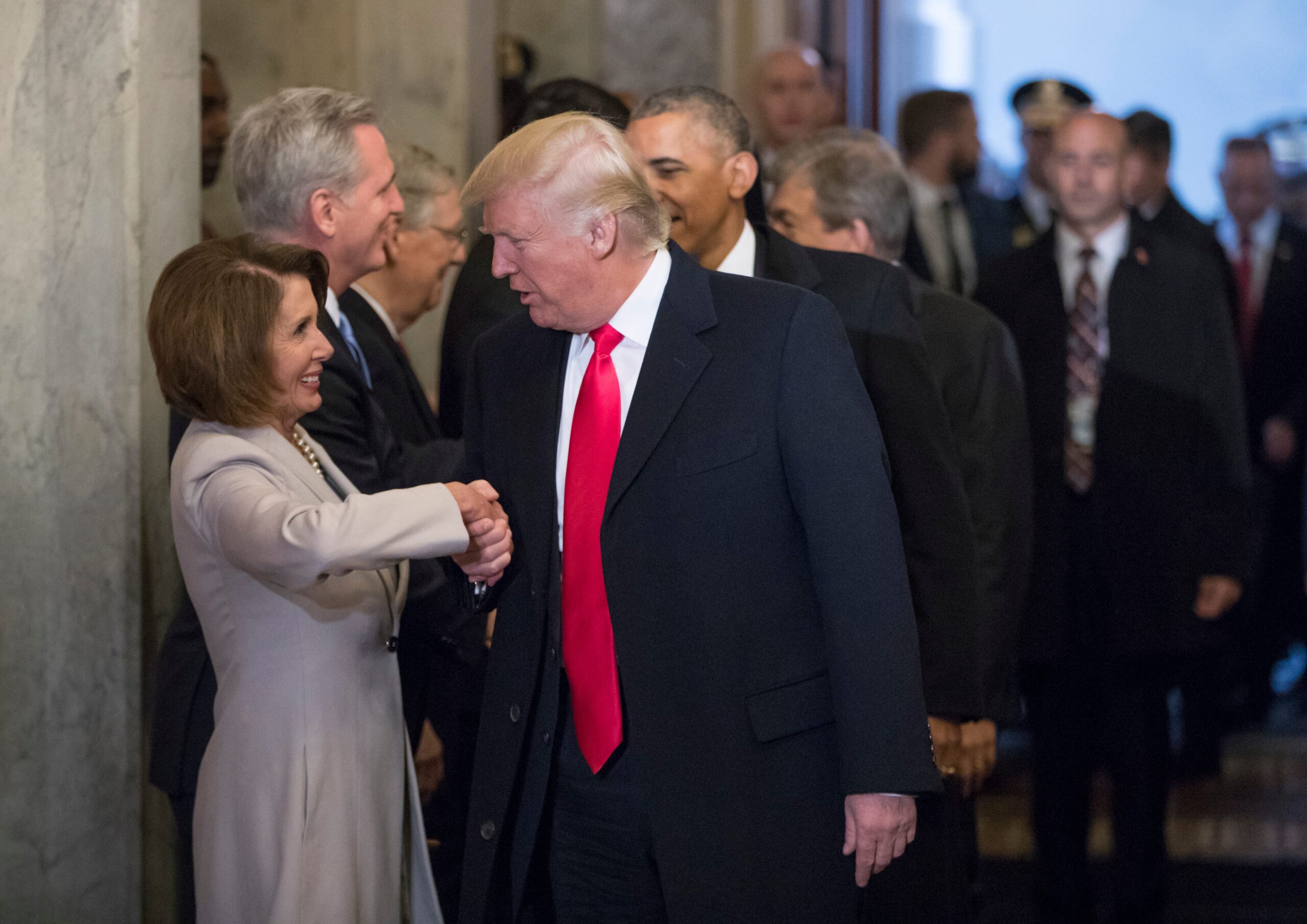
Animal cruelty remains a pervasive societal issue, one that ignites passionate debate among advocates and lawmakers alike. When discussing the legislative measures surrounding animal welfare, two prominent figures inevitably come into focus: Nancy Pelosi and Donald Trump. Both leaders have occupied significant seats of power during their respective tenures, yet their approaches to addressing animal cruelty reveal a complex landscape of political priorities and legislative actions.
The exploration of whether Nancy Pelosi or Donald Trump has made animal cruelty a felony brings forth a tapestry of legal frameworks and sociopolitical motives. It is essential to first understand what constitutes animal cruelty and why it often elicits such a visceral reaction from the public. Animal cruelty encompasses a spectrum of behaviors, ranging from neglect and abandonment to intentional harm, and it often mirrors larger societal attitudes toward non-human beings.
Historically, animal cruelty laws have struggled to gain the same traction as other forms of criminal legislation. While many states have enacted statutes that criminalize such acts, these laws vary significantly in their severity and enforcement. Both Pelosi and Trump have, at various times, lent their voices to the cause of protecting animals, albeit through different legislative contexts and priorities.
Under the auspices of Donald Trump’s administration, the Animal Welfare Act was ostensibly elevated through the enactment of the Preventing Animal Cruelty and Torture (PACT) Act in late 2019. This act is noteworthy not only for its explicit categorization of certain acts of animal cruelty as felonies, but also for its bipartisan support, which signaled a growing awareness of animal rights within the political realm. The PACT Act prohibits malicious acts of animal cruelty, such as crushing, burning, and drowning, reflecting an increasingly urgent desire among lawmakers to deter these heinous acts.
However, it is critical to acknowledge that while the PACT Act strengthened federal law regarding animal cruelty, its effectiveness ultimately hinges on enforcement and public awareness. The act does not operate in a vacuum; it is closely tied to existing state laws and enforcement mechanisms that must also evolve to address systemic issues surrounding animal abuse effectively. Thus, while Trump can be credited with the passage of this significant legislative measure, it does not encapsulate a comprehensive approach to animal welfare.
In contrast, Nancy Pelosi has a longstanding history of advocating for animal rights, rooted deeply in her values as a legislator and community leader. Throughout her career, Pelosi has championed numerous initiatives aimed at protecting animals and enhancing welfare standards. Her role as Speaker of the House has granted her a platform to elevate various animal welfare issues, working with organizations and fellow lawmakers to push legislation that supports humane practices.
One notable instance during her tenure was her backing of the Humane Society’s efforts to improve farm animal welfare standards. Pelosi has persistently advocated for the establishment of more rigorous ethical guidelines concerning the treatment of animals in agriculture, veterinary care, and entertainment, pushing for stricter regulations that prioritize animal welfare over industry profits. This approach, however, differs from the explicit felony designation seen with the PACT Act, pointing to a more nuanced comprehension of animal rights, which encompasses both legislative action and public education.
Furthermore, the disparities between the legislative priorities of Pelosi and Trump are emblematic of the broader landscape of animal rights advocacy. Pelosi’s focus often gravitates towards preventive measures aimed at curtailing cruelty before it occurs, whereas Trump’s approach, particularly with the PACT Act, serves as a punitive measure against heinous acts already in progression. These contrasting methodologies illuminate two schools of thought within animal rights legislation: punitive versus preventive.
Nevertheless, the fascination surrounding these two political figures may stem less from their individual contributions and more from the contrast they embody. Both Pelosi and Trump operate within a highly polarized political environment, and their different approaches to animal welfare reflect broader ideological divides. The public’s engagement with animal cruelty legislation, especially among activists and everyday citizens, resonates with deeper societal issues, including empathy, ethics, and the complexities of governance.
The insatiable fascination with animal welfare is not merely a byproduct of individual political maneuvers but reflects an evolving societal consciousness about the rights of non-human creatures. As awareness grows surrounding the sentience of animals and their intrinsic value, the demand for robust legislative action intensifies. This shift is evident in the increasing number of advocacy groups, social media movements, and public debates surrounding animal rights.
In conclusion, although both Nancy Pelosi and Donald Trump have played significant roles in shaping animal welfare legislation, attributing the title of making animal cruelty a felony solely to one figure oversimplifies a complex issue. The lanes of legislation continue to evolve, influenced by the pressures of public sentiment and ethical considerations. As society becomes more aware of the plight of animals, it is incumbent upon our leaders to not only enact laws but to foster a culture of respect and compassion towards all living beings. Continuing this discourse is essential, as it prompts lawmakers to look critically at their strategies while encouraging the public to engage, advocate, and hold their representatives accountable for the welfare of our voiceless companions.