Animal cruelty remains an egregious issue in contemporary society, prompting countless individuals and organizations to seek effective remedies. The question looms larger than life: Can we genuinely eradicate animal cruelty through law and education? This inquiry not only encourages contemplation but also presents a formidable challenge. To embark on this journey demands an understanding of the complexities involved, as well as the strategies required to create a compassionate society.
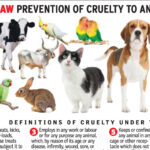
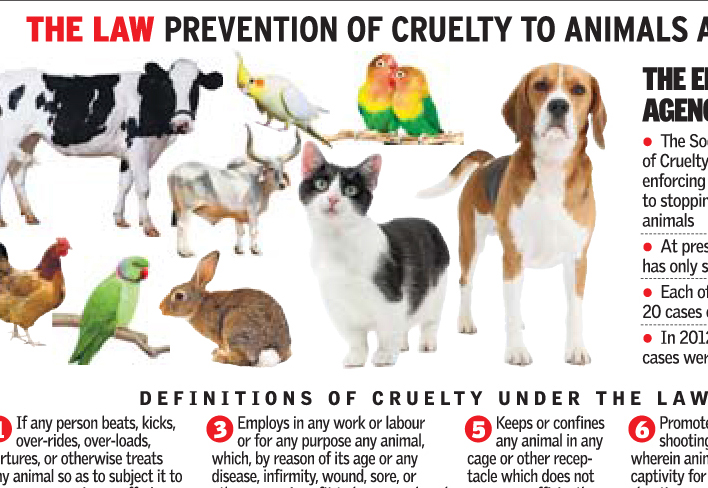
Initially, the legal framework surrounding animal welfare provides a pivotal foundation for addressing cruelty. Laws aimed at protecting animals vary widely across regions, with some jurisdictions enforcing stringent measures, while others lag significantly. For instance, consider the difference in penalties for animal mistreatment. In some areas, the repercussions are not dissuasive enough to deter potential offenders. The inconsistency starkly exposes a pressing need for uniform regulatory standards that elevate animal welfare across the board. This leads us to ponder: Can the legal system evolve to be a more formidable ally in the battle against cruelty?
Education intertwines intricately with the pursuit of ending animal abuse. Educational initiatives can instill empathy and responsibility towards all living beings in the hearts and minds of younger generations. By introducing comprehensive curricula focusing on animal rights, welfare, and humane treatment, we initiate a transformative dialogue. Furthermore, fostering awareness around the psychological and physical impacts of cruelty can cultivate a generation that perceives the inherent value of every creature. But here lies a challenge—how can we engender a universal understanding of animal rights in a world rife with cultural diversity and differing beliefs?

Community outreach programs play an instrumental role in bridging the perceived gap between policy and public sentiment. Organizations that focus on direct engagement with individuals through workshops, seminars, and interactive sessions can transform abstract laws into tangible practices. Simultaneously, utilizing social media platforms for awareness campaigns has surged, providing a powerful tool in contemporary advocacy. Short videos, infographics, and testimonials can galvanize public opinion, pressuring lawmakers to reevaluate existing statutes. However, the challenge remains: How do we ensure that these outreach efforts resonate with diverse communities, many of whom possess entrenched views about animal treatment?
The synergy between law and education does not merely reside in the realm of execution but also in the measurement of efficacy. Establishing metrics to assess the success of legal reforms and educational programs is imperative. Tracking reductions in reported cruelty cases or increases in community advocacy can offer insights into which methods yield substantial outcomes. This undertone of empirical evidence serves as a powerful catalyst, showcasing that lives are not only being protected but also revered. Nevertheless, the inquiry persists: How do we retain the momentum for such evaluations and adapt our methods accordingly?
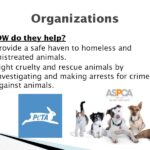
Moreover, collaboration is paramount. Legal professionals, educators, animal welfare organizations, and the general public must coalesce to create a multifaceted approach to animal kindness. Think of this coalition as an intricate tapestry, where each thread represents a unique perspective, contributing to the fabric of humane treatment. By forming alliances and sharing resources, various stakeholders can amplify their voices, leading to a more robust sanctuary for animals. However, a question arises—what mechanisms can be established to foster sustained collaboration amongst such disparate entities?
Furthermore, legislative advocacy is pivotal in shaping the future landscape of animal welfare. Engaging citizens in the legal process, such as encouraging them to participate in public comment sessions or advocating for stronger enforcement of existing laws, empowers everyone involved. Active participation can make a substantial difference, as legislators become attuned to their constituents’ sentiments. However, a significant obstacle remains: how can we motivate apathy-laden individuals to recognize the importance of their voices in this urgent matter?
In discussing broader implications, one must also consider the influence of economic factors on animal cruelty. The industries that capitalize on animal usage, such as agriculture, entertainment, and research, often wield expansive power, affecting legislation and public perception. Addressing these economic disparities may require alternative frameworks that promote humaneness without compromising economic viability. It is crucial to foster dialogue surrounding humane alternatives that not only protect animals but also encourage sustainable practices. Yet, the question persists—how can we drive change in such entrenched systems that have historically operated with minimal regard for animal welfare?
Lastly, societal change hinges upon nurturing a culture of compassion towards animals. This endeavor is profound, necessitating an elevation in the collective consciousness regarding the ethical treatment of all beings. Spiritual ideologies, philosophical beliefs, and cultural narratives must converge to shape a worldview that reveres life in all its forms. Thus, it becomes essential to investigate: What role do art, literature, and other forms of expression play in bridging the gap between consciousness and action?
In conclusion, the quest to eradicate animal cruelty through legal and educational means encompasses a myriad of challenges and questions. It demands a multi-pronged approach, rooted in compassion, collaboration, and community engagement. While uncertainties pervade this evocative journey, continual advocacy and collective action illuminate the path ahead. Through committed efforts to tweak existing laws and ramp up educational initiatives, society can optimize its potential to cultivate a world where kindness triumphs over cruelty. Shall we step up and unify our voices for those who cannot speak?