Animal cruelty remains an urgent and troubling issue, prompting many to inquire about legal frameworks that can address such heinous acts. In the quest for justice for abused animals, one pertinent question arises: can anyone file a criminal complaint for animal cruelty? This inquiry leads us into the complexities of legal standing, the processes involved, and the various stakeholders who can take action. Understanding these intricacies ensures that we are not only informed but also empowered to act when we witness animal suffering.
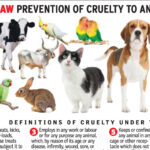
The term “animal cruelty” encompasses a broad spectrum of actions, from neglect and abandonment to active abuse or torture. Each state has its own specific statutes defining what constitutes animal cruelty, which can complicate the pathways for reporting and prosecution. Typically, anyone who witnesses or has substantial knowledge of an incident of animal cruelty is eligible to report it. However, the immediacy and nature of the incident often dictate who will act—vigilance from bystanders can prove critical.
One of the primary groups with legal standing to initiate a complaint is the general public. This broad classification includes individuals who may or may not have a previous connection or vested interest in the animal involved. A passerby who witnesses a dog being cruelly restrained or a cat left in squalid conditions may feel compelled to take action. To file a complaint, they would generally contact local law enforcement or animal control authorities, providing any pertinent details such as time, location, and evidence of the abuse.
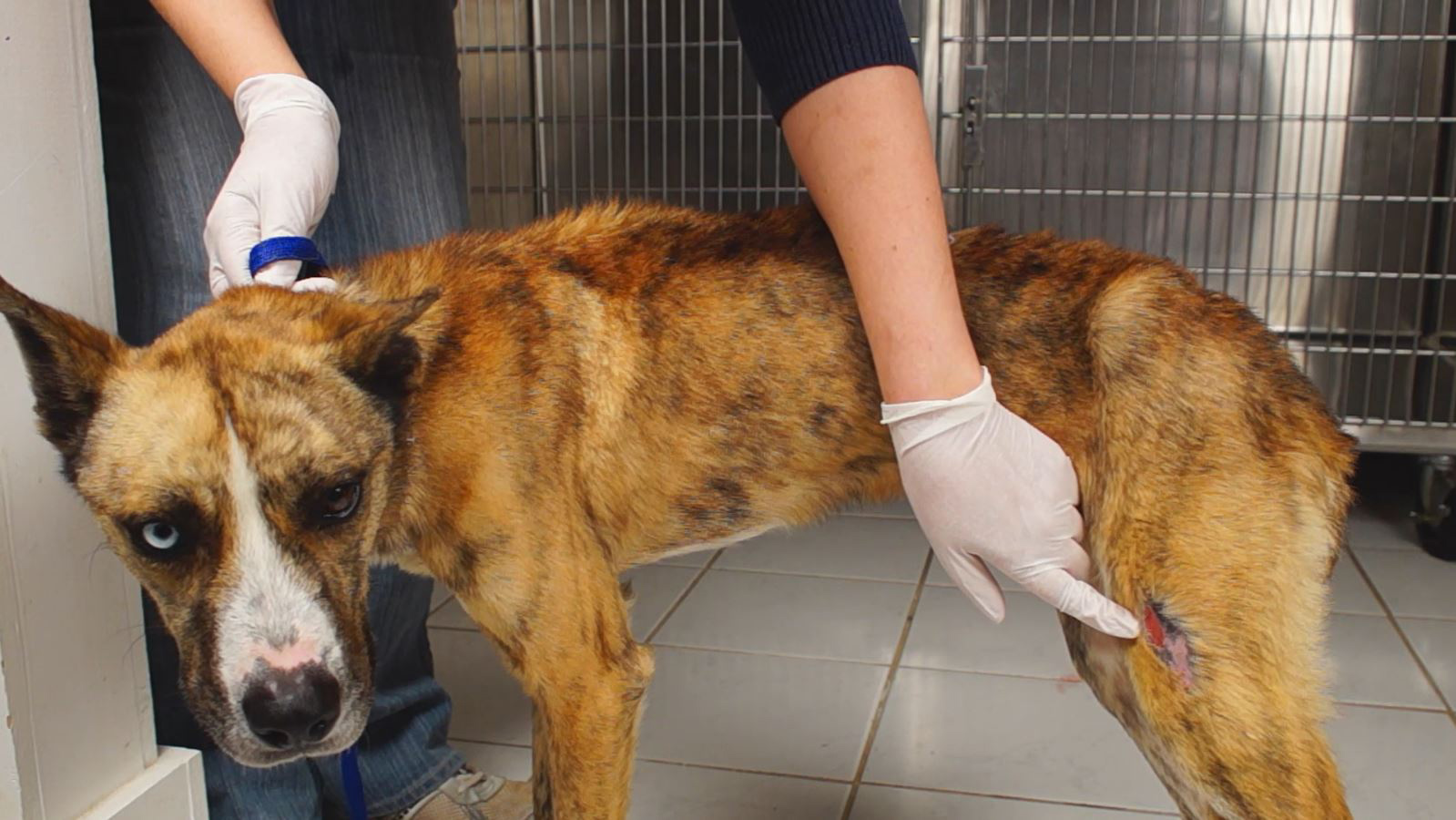
Beyond the layperson, veterinarians also hold a crucial position in reporting animal cruelty. These professionals possess unique knowledge and expertise. Often, they encounter cases of abuse through their practice, where physical signs of maltreatment are evident during examinations. The law often protects veterinarians when they report their suspicions, effectively providing them with an obligation to act in the best interest of the animal. Additionally, they may serve as expert witnesses in court proceedings to substantiate claims of cruelty.
Moreover, animal welfare organizations and rescue groups often step in when individual complaints are made, taking on a more proactive role. These entities frequently have the resources and authority to conduct investigations and intervene on behalf of the animal. For example, an established organization may receive reports of abuse, conduct house visits, and gather evidence to support a criminal case. They can then file a formal complaint or even pursue legal action, thus broadening the avenues through which animal cruelty can be addressed.
Yet, it is essential to recognize that while anyone can report an incident, legal standing varies when it comes to pursuing a case further. In many jurisdictions, only certain individuals, such as law enforcement or authorized organizations, may have the authority to investigate further or bring a case to court. Individuals who witness abuse can file complaints, but resolving such matters often requires official entities equipped with investigative and enforcement capabilities.
When considering animal cruelty, it is vital to discuss the concept of “standing” in legal terms. Legal standing refers to the ability of a party to demonstrate a sufficient connection to and harm from the law or action challenged, allowing them to participate in a legal proceeding. In the context of animal cruelty, standing typically pertains to the ability to assert rights on behalf of the animal or engage in the legal process relating to animal welfare. A person who personally owns an abused animal has a clear standing since their rights as the owner are directly impacted. Conversely, a bystander without a direct connection to the animal may face more difficulty in establishing standing for an actual litigation process.
The procedural process for filing a complaint is not uniform and often varies by locality. Generally, animal cruelty complaints can be reported via 911 for emergencies, or dedicated hotlines established by local law enforcement or animal control agencies for non-urgent matters. Following the initial report, it is common for an animal control officer or police officer to conduct an investigation, often involving interviews, evidence collection, and sometimes even removal of the animal from the premises for its safety.
Once a complaint is filed, the mechanisms for enforcement come into play. Investigations could lead to charges against the alleged perpetrator, followed by a court trial if sufficient evidence is gathered. The legal landscape differs extensively based on jurisdiction; some areas may enforce stringent animal welfare laws, while others have more lenient regulations, impacting prosecutorial outcomes. It is incumbent upon advocates to ensure that laws are not only in place but also vigorously enforced.
In addition to traditional criminal complaints, the animal protection movement has seen the rise of civil suits aimed at holding perpetrators accountable. Though these come into play primarily after criminal actions, they provide an additional layer of recourse. For example, an organization could sue for damages on behalf of the animal, bringing to light both the emotional and financial toll of abuse. This added dimension emphasizes the multifaceted nature of ensuring justice for animals.
Ultimately, vigilance, education, and community involvement are vital in the fight against animal cruelty. Awareness campaigns often encourage the public to understand what constitutes abuse and the steps necessary to report it effectively. When more citizens are cognizant of their ability to intervene, the collective capacity to mitigate animal suffering increases. Thus, fostering a collaborative ethos between individuals, professionals, and organizations will amplify the voice of those who cannot speak for themselves, ensuring that compassion and justice prevail within our communities.