Animal cruelty remains a persistent and harrowing issue that permeates many cultures across the globe. It is an affliction that manifests in various forms—from the blatant brutality inflicted upon domesticated pets to the underlying conditions in which farm animals are raised. Each case presents a unique crucible of ethical dilemmas and social responsibilities. Thus, a multifaceted exploration into whether animal cruelty can be halted must consider behavioral, legal, and cultural perspectives—each an intricate thread in the fabric of our relationship with animals.
At the behavioral level, understanding the psyche of individuals who commit acts of animal cruelty is paramount. Often, these individuals are not merely sadistic but are ensnared in a web of psychological disorders or environmental factors that breed violent tendencies. For instance, studies indicate a correlation between childhood exposure to violence, neglect, or abuse and involvement in future acts of cruelty towards animals. This relationship can be likened to a twisted legacy; children learn behaviors that may render them emotionally detached from the consequences of their actions. As these youths transition into adulthood, without intervention or guidance, they may perpetuate this cycle.
To disrupt this cycle, educational initiatives aimed at younger generations can serve as a beacon of hope. Compassionate training, empathy-building exercises, and awareness campaigns can steer young minds away from the path that leads to cruelty. If we view children as fertile soil, then nurturing their understanding and compassion for all sentient beings provides the requisite sustenance for a healthier societal framework. Just as a gardener prunes away the weeds to allow flowers to bloom, society must root out the ignorance and prejudiced ideologies that permit animal cruelty to flourish.
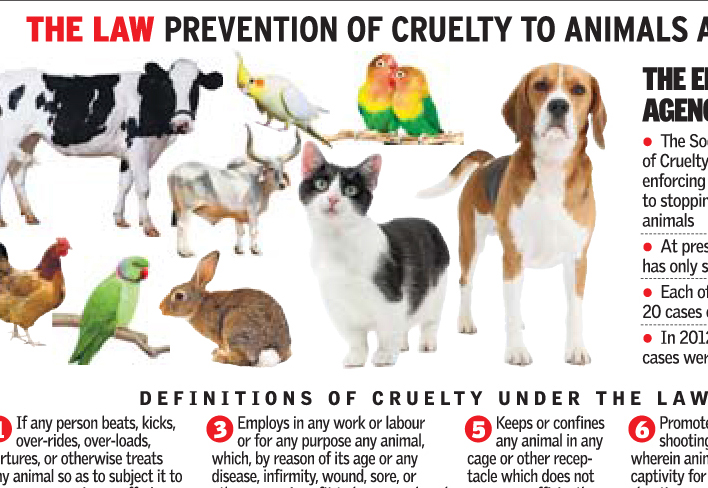
However, education alone is insufficient; a robust legal framework is essential to curtail acts of animal cruelty. Many jurisdictions possess antiquated laws that inadequately protect animals and fail to impose significant penalties on offenders. For example, a mere slap on the wrist is often the fate of individuals who starve, neglect, or abuse animals. These leniencies serve not only as a tragic commentary on societal values but also as a dissuasion against the pursuit of justice for the voiceless. The legal system must evolve to reflect the value of animal welfare, integrating stricter penalties, increased funding for enforcement, and the establishment of animal advocates within the judicial process.
Moreover, there exists an imperative to recognize animals as sentient beings within the legal framework. This acknowledgment shifts the conversation from viewing animals as mere property to understanding them as conscious entities deserving of protection. Countries that have adopted such progressive laws often experience a subsequent decline in incidents of cruelty. This change can be perceived as embracing a moral awakening—a recognition that kindness engenders a societal transformation. Just as the ink of a quill can change the course of history, so too can legal reformation rewrite the fabric of our interactions with animals.
Cultural practices also play a pivotal role in combatting animal cruelty. Within certain cultural contexts, traditional customs may encompass practices that are detrimental to animal welfare. The ritualistic use of animals in various ceremonies or the entertainment industry often sees animals relegated to mere commodities. To challenge these ingrained behaviors requires a paradigm shift—a harmonious blend of respect for cultural heritage and a commitment to humane treatment. It becomes imperative to engage in constructive dialogue with communities, highlighting the intrinsic value of animals and the merits of adopting compassionate alternatives that honor traditions while promoting ethical practices.
Yet, the resistance to change extends beyond entrenched cultural beliefs; it can also manifest in economic interests. Industries reliant on the commodification of animals for profit often wield considerable influence over legislation and public opinion. In such scenarios, animal advocacy mirrors the classical battle of David versus Goliath, where a collective of compassionate voices seeks to topple a giant entrenched in profit. The proliferation of plant-based diets and cruelty-free products attests to a shifting paradigm that encourages ethical consumerism. Individuals wield the power of choice like an artist wields a brush—each decision pigments the vast canvas of societal values.
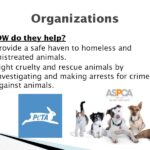
Combating animal cruelty also necessitates the involvement of compassionate organizations, which often serve as the vanguard in grassroots movements advocating for legislative change and community education. Collaboration among these organizations can amplify their voices, creating a united front that is more formidable than any single entity. Through partnerships with law enforcement, educational institutions, and community organizations, a more extensive network for promoting animal welfare can be established, akin to a thread woven tightly in a tapestry, each strand contributing to a broader, interconnected purpose.
In conclusion, the question of whether animal cruelty can be stopped transcends mere legal enforcement or behavioral correction. It is a mosaic of perspectives—the psychological, the legal, and the cultural—all needing to merge in a unified resolve against cruelty. Only through the rigorous application of education, an evolved legal framework, cultural respect, and collective mobilization can we hope to build a world where animal cruelty is not only addressed but obliterated. Like the dawn that breaks after the longest night, a future where kindness prevails over cruelty is attainable, yet it is a destiny that demands unwavering commitment and collaboration.