In a world increasingly aware of the complexities surrounding our food systems, the brutal realities of slaughterhouses emerge as a focal point for ethical deliberation. The mere mention of the term conjures visceral images—gruesome and heartbreaking—that beckon us to confront uncomfortable truths. Are the slaughterhouse facts about animal cruelty not only startling but compelling enough to elicit widespread moral outrage? As we peel back the layers of this intricate issue, it becomes evident that the fascination surrounding slaughterhouse cruelties goes beyond mere shock value; it invites us into a labyrinth of ethical considerations, systemic failures, and societal complicity.
Many individuals may find themselves recoiling at graphic depictions of animal suffering, yet there exists a paradox: this initial repulsion often transitions into desensitization. This paradox can largely be attributed to the normalization of cruelty in industrialized farming. Industrial slaughterhouses operate under the guise of efficiency, yet this very efficiency is predicated on a system designed to minimize empathy. The relentless march of mechanization and assembly-line processing has turned the once sacred act of slaughter into a routine task, devoid of ritual and respect. When animals are treated as commodities rather than sentient beings, a dangerous threshold of cruelty is crossed—one that is hard to ignore.
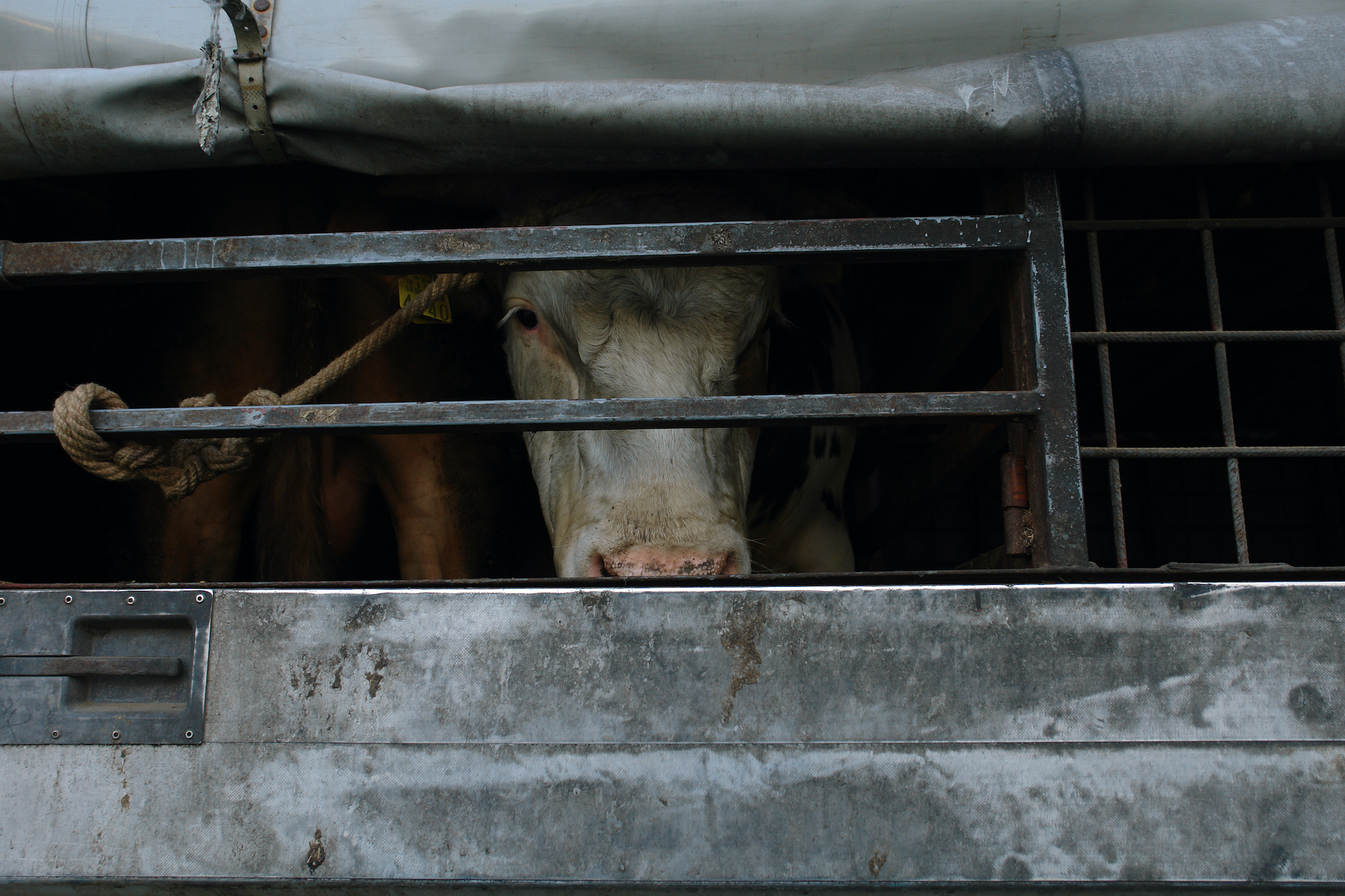
The alarming statistics are disconcerting, illustrating a staggering level of animal suffering within slaughterhouses. Vast numbers of animals—millions each year—are subjected to inhumane treatment and handling. From confinement in cramped quarters to brutal methods of stunning and killing, the practices in slaughterhouses expose not only the fragility of animal life but also a systemic apathy toward their well-being. Alarmingly, studies reveal that countless animals experience immense distress, pain, and fear during their final moments. This suffering is often concealed from the public eye, insulated by corporate interests that prioritize profit over compassion. But can we afford to turn a blind eye?
The factors contributing to this disquieting reality are multifaceted. At the core lies a deep-seated cultural disconnect from our food sources. As urbanization accelerates, many people lose direct contact with agricultural practices, seemingly fostering a detachment from the life-and-death cycle inherent in food production. The grotesque machinations of slaughterhouses remain hidden behind the polished façade of supermarket aisles filled with neatly packaged meats. This disconnect prompts an unsettling question: does ignorance breed complicity? And in this ignorance, are we perpetuating a cycle of cruelty that merits urgent examination?
The ethical implications of animal cruelty in slaughterhouses extend far beyond the immediate suffering of animals. Psychologists have long posited that our treatment of animals reflects our moral values as a society. In instances where systemic cruelty is normalized, it raises broader questions about the ethical framework that governs human behavior. As the gears of industrialized farming continue to grind, society grapples with the moral weight of its dietary choices and an unyielding question lingers: what does a culture that accepts animal suffering say about its humanity?
Furthermore, the psychological toll on the individuals working within slaughterhouses cannot be overlooked. Those who labor amidst the grisly realities of animal slaughter often grapple with cognitive dissonance. The juxtaposition of performing violent acts while employing moments of desensitization leads to profound emotional fallout. Many workers face mental health challenges, including anxiety, depression, and post-traumatic stress disorder (PTSD). This tragic irony echoes a poignant truth—the suffering perpetuated upon animals reverberates throughout the workforce, ensconcing humans and non-humans alike in a cyclical narrative of pain.
Yet, the movement toward reform is burgeoning, fueled by a burgeoning awareness and advocacy for animal rights. The rise of plant-based alternatives illustrates a desire for ethical consumption, inviting consumers to reassess their food choices and the ramifications thereof. As communities rally against the entrenched systems of abuse, they do so not just for animals, but for a more humane and sustainable agricultural landscape. This shift highlights an extraordinary potential for collective action—one that intertwines ethical considerations with actionable change.
This leaves us with the profound responsibility of scrutinizing our food habits and questioning established norms. In an age defined by information accessibility, we can no longer afford to be oblivious to the mechanisms of factory farming and slaughterhouses. Every choice serves as a reflection of values; consequently, advocating for humane treatment of animals transforms into a clarion call for fostering empathy, responsibility, and respect. Each small act propels a broader revolution, stitching together a fabric of compassion that extends beyond human limitations.
In conclusion, the truths surrounding slaughterhouse cruelty are indeed too hard to ignore. They beckon us to confront our complicity, not just as consumers but as sentient beings capable of empathy. The stark realities faced by countless animals compel a deeper discussion about moral imperatives, societal responsibilities, and the essence of compassion. In this multifaceted dialogue, each voice contributes to an unwavering narrative—a relentless advocacy for a future that embraces both ethical accountability and a recognition of the intrinsic value of all life. Let us dare to envision a world where understanding leads to transformation, stepping away from complicity and towards a collective commitment to end the cycle of cruelty.