Are pet stores promoting animal cruelty? This provocative question necessitates a deeper examination of the operations hidden behind the glossy exterior of pet shops. While every pet store presents itself as a sanctuary for cuddly puppies and purring kittens, a closer scrutiny reveals a more somber reality. The juxtaposition between the cute animals on display and the ethical dilemmas they embody calls for a thorough exploration of the industry’s practices and their implications for animal welfare.
As we delve into this contentious issue, it is imperative to understand the breeding practices that supply these establishments. Many pet stores acquire their animals from commercial breeding facilities, commonly referred to as puppy mills. These establishments prioritize profit over welfare, often resulting in animals that endure severe physical and psychological distress. The conditions in which these animals are raised are frequently deplorable; overcrowded cages, lack of socialization, and insufficient medical care are just a few of the horrendous realities faced by these innocent creatures.
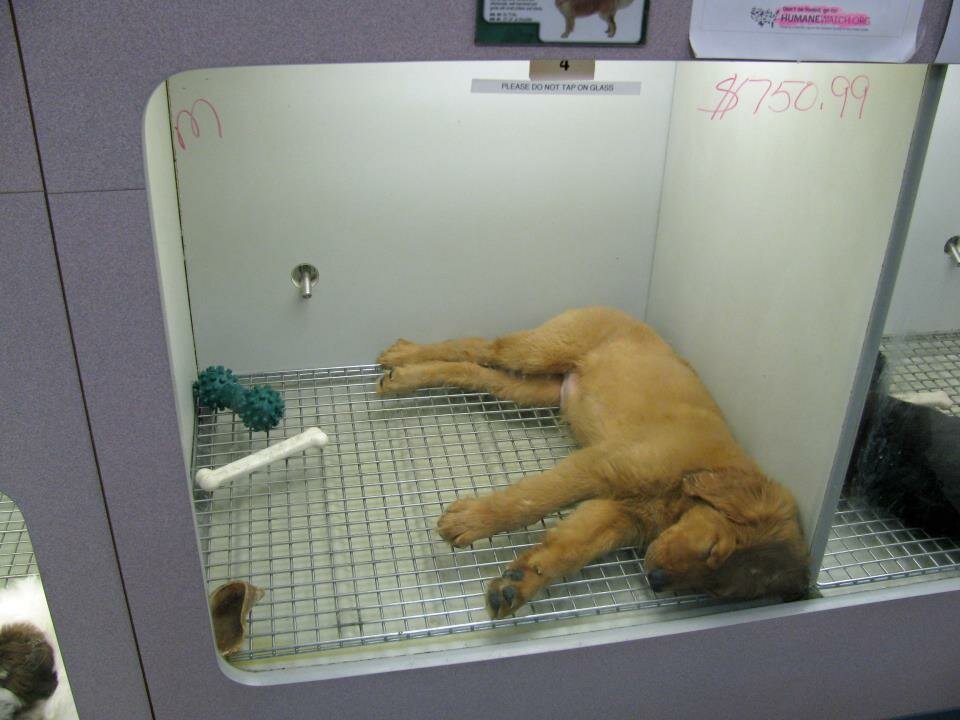
Imagine a puppy confined to a cramped wire cage, surrounded by the cacophony of its miserable companions. Their only interaction may be with overworked employees lacking the expertise necessary to recognize the animals’ needs. This stark picture is but a glimpse into the hidden plight of thousands of animals who are commodified rather than cherished. How, then, can society reconcile the sale of these living beings in places that market themselves as harbors of joy and companionship?
The answer lies in the understanding of how pet stores function. The supply chain of animal sales is driven by demand, and this demand is sadly perpetuated by uninformed consumers. Many prospective pet owners mistakenly believe that purchasing animals from stores is a responsible choice, unaware that they may inadvertently support systems that perpetuate cruelty. The allure of a playful puppy behind the glass counter often eclipses the harsh truths of its origin.
Furthermore, it is crucial to recognize the marketing strategies employed by these establishments. Pet stores often use emotional manipulation to attract buyers. The imagery of cute animals can create an irresistible urge to adopt on impulse, sidestepping the necessary due diligence that should precede any adoption decision. The social media age exacerbates this issue, with adorable photos flooding platforms and blinding many to the ethical implications of such purchases.
What responsibilities do pet stores have in this intricate web of supply and demand? The ethical obligations of these retailers should include transparency regarding their sources and a commitment to promoting responsible adoption practices. The ideal scenario involves collaboration with shelters and rescue organizations, encouraging a culture of adoption over purchasing. By fostering alliances with these groups, pet stores can advocate for a more compassionate approach to acquiring pets and contribute to the reduction of the homeless animal population.
Yet, transformation in the pet retail industry requires more than just a change of heart. Legislation and regulation play pivotal roles in addressing the systemic issues associated with puppy mills and irresponsible breeding practices. Certain jurisdictions have enacted laws prohibiting the sale of animals from these facilities, mandating that pet stores partner solely with rescue groups and shelters. Such regulations serve a dual purpose: they not only combat animal cruelty but also shift societal norms toward a more humane attitude regarding pet ownership.
Adopting a critical perspective on the role of pet stores in the promotion of animal welfare necessitates active participation from consumers. Individuals hold significant power; conscious choices can spur meaningful change. By prioritizing adoption, supporting local shelters, and advocating for ethical breeding practices, consumers can effectively challenge the status quo. Additionally, potential pet owners should arm themselves with knowledge about the realities of pet industry practices, refraining from purchasing animals impulsively based on charm alone.
In this light, educating oneself on the plight of animals behind the counter is imperative. Those who are passionate about animal rights must engage others in heartfelt discussions surrounding the implications of their choices. Sharing pertinent information, introducing people to local shelters, and even volunteering can ignite a ripple effect of awareness in communities. The strength of collective activism has the potential to dismantle the traditional paradigms that sustain cruel practices in the pet retail sector.
Ultimately, should we not find the notion of animal cruelty behind the charming faces in pet stores abhorrent? The journey toward eradicating such practices is far from over; it demands vigilance, commitment, and a relentless pursuit of ethical treatment for every living being. The challenge we face is to confront the uncomfortable truths about the origins of our beloved pets while advocating for change that upholds the dignity and welfare of animals. Only through awareness, education, and conscious choices can we transform the narrative surrounding animal acquisition and make a substantial impact in the fight against cruelty.
As consumers, we have the power to endorse compassion over convenience. Are we prepared to take on this challenge and advocate for a world where pets are welcomed into our homes through love and respect rather than mere transactions? The answer to this question may very well dictate the future of countless animals awaiting their fates behind cages and glass walls.