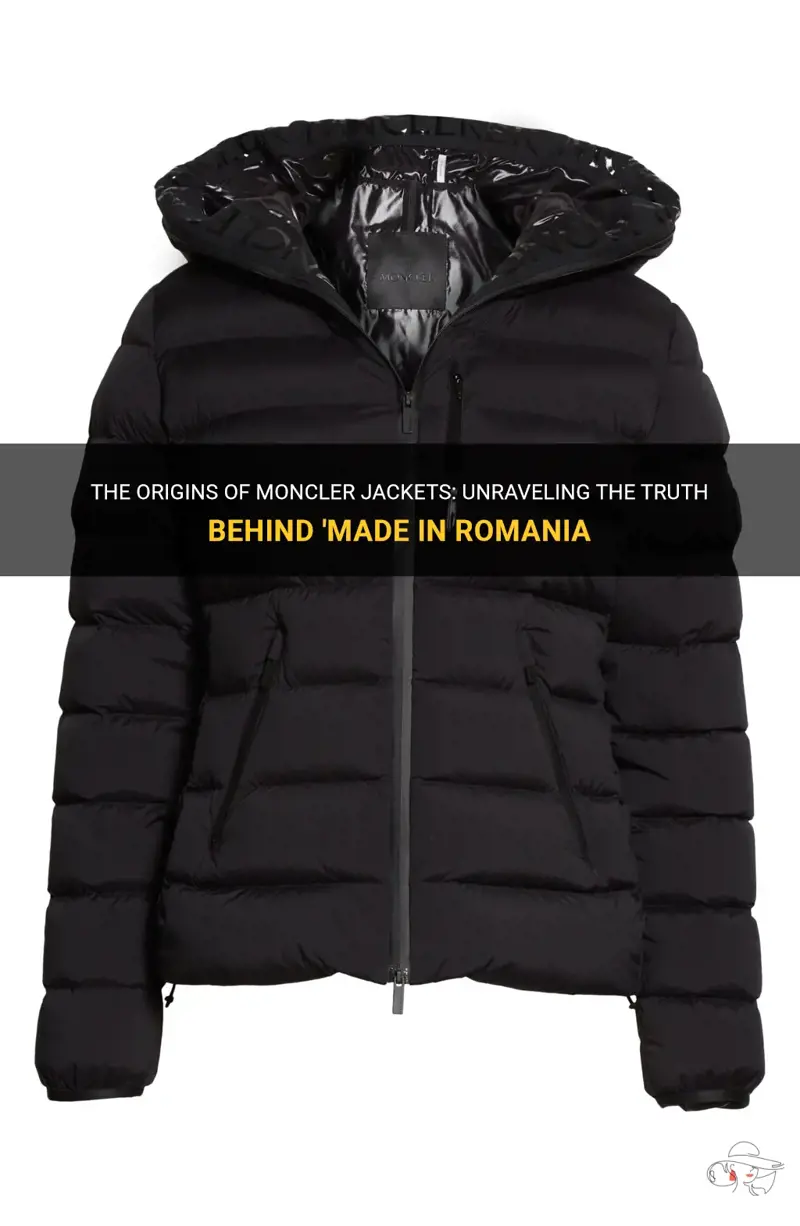
The allure of luxury fashion is undeniable. Among the pantheon of high-end outerwear brands, Moncler stands as an emblem of sophistication, warmth, and status. However, beneath the glossy surface of these coveted jackets lies a contentious debate: Are Moncler jackets made with animal cruelty? This inquiry demands a thorough investigation into the manufacturing processes, material sourcing, and ethical implications surrounding these luxury coats.
Moncler, founded in 1952 in Monestier-de-Clermont, France, has garnered a reputation primarily for its down jackets, which are heralded for their insulation qualities and fashionable aesthetics. The brand’s claim to fame is largely attributed to its utilization of goose down, a material derived from the feathers of waterfowl. While the warmth provided by this natural insulator is unparalleled, the sourcing methods of such materials can evoke ethical dilemmas regarding animal welfare.
To understand the narrative surrounding Moncler, one must first delve into the methods by which down feathers are obtained. The most common technique involves the plucking of feathers from live birds, known as live plucking. This practice, which can cause significant distress and pain to the animals, has rendered down sourcing controversial since it raises profound moral questions about animal rights and welfare. Moncler has taken steps to mitigate these concerns by pledging to source its down from certified suppliers, adhering to the Responsible Down Standard. This certification guarantees that the down is harvested in a humane manner, ensuring that the birds are not subjected to live plucking or force-feeding. Yet, critics remain skeptical, questioning the efficacy and enforcement of such standards.
Beyond the harvesting of down, the broader manufacturing process warrants scrutiny. Animal cruelty can extend beyond just the materials used; it encompasses the treatment of animals throughout their lifecycle. This includes the conditions in which they are bred, housed, and eventually processed. With reports of appalling conditions in some regions where down production is concentrated, transparency in the supply chain is paramount. Moncler’s commitment to ethical practices must be continuously scrutinized to guarantee compliance with humane standards that protect the dignity of the animals involved.
An integral aspect to consider is the impact of consumer behavior on these practices. The demand for luxurious, high-performance outerwear fuels the cycle of production, often sidelining the ethical implications of such desires. Awareness among consumers regarding the origins of their clothing can engender a shift towards more conscious purchasing decisions. By supporting brands that prioritize animal welfare and transparency, consumers can influence the industry to adopt more humane practices.
In addition to the use of down, Moncler incorporates other materials into its designs, including wool and leather, both of which also present their own set of ethical considerations. The wool industry, for instance, faces its own grim realities, including the controversial practice of mulesing, a procedure wherein strips of skin are removed from lambs to prevent flystrike. Similarly, leather production often involves environmentally detrimental and cruel practices, raising red flags for the ethically inclined consumer. Moncler’s use of these materials necessitates a broader discussion regarding the treatment and rights of the animals that contribute to the luxury fashion market.
While Moncler has made strides in promoting responsible practices, challenges persist. The brand’s efforts towards sustainability and ethical sourcing are juxtaposed against an industry that is historically entrenched in animal exploitation. This paradox raises critical questions about the feasibility of luxury fashion existing harmoniously with ethical practices. As discussions around sustainable and cruelty-free fashion gain momentum, brands are pressured to evolve or risk obsolescence.
Thus, the cold truth behind Moncler jackets lies not only in the luxurious sheen of their exterior but also in the ethical conundrums that accompany their production. To truly appreciate the artistry involved in creating such garments, one must confront the darker realities of animal welfare associated with luxury fashion. Transparency, accountability, and consumer advocacy are essential in shaping a more ethical landscape for the industry.
In conclusion, the inquiry into whether Moncler jackets are made with animal cruelty entails more than just examining the down-feather sourcing. It compels a critical exploration of the entire supply chain and the ethical implications of each component used in crafting these coveted coats. As consumers become more conscious and demanding of humane practices, brands like Moncler will face increasing pressure to adapt to the evolving landscape of ethical fashion. The responsibility ultimately lies not just with the producers, but with consumers who can drive change through informed choices. The path to a cruelty-free luxury fashion industry is fraught with challenges, yet the pursuit of compassion in fashion remains a worthy endeavor.