The plight of animals is often shrouded in silence, a deafening quietude that muffles their cries for help. In our quest for progress and development, we have overlooked the life forms that share this planet with us, often treating them not as fellow inhabitants but as mere commodities. This article aims to explore the profound issue of animal cruelty, urging our society to raise its voice for the voiceless—the silent beings who inhabit our world yet suffer in obscurity.
Envision, if you will, a bustling marketplace alive with the aromas of fresh produce and the chatter of delighted customers. Hidden from sight, in an unseen corner, exist the lives of countless animals. Their existence is interwoven with ours yet remains a stark reminder of the disconnect that has arisen. They are not mere products to be consumed; they are sentient beings, deserving of compassion and respect. This stark contrast serves as a poignant metaphor for the broader issue of animal cruelty, punctuating the urgent need for advocacy.
Animal cruelty manifests in myriad forms—physical abuse, neglect, exploitation, and systemic oppression. The imagery of an unloved creature, trembling in the shadows, serves as a powerful reminder of the suffering endured by countless animals globally. These innocent beings are often the victims of a society that prioritizes profit over empathy. In factory farms, for instance, animals are confined in cramped, unsanitary conditions, stripped of any semblance of dignity. Their lives are spent in despair, a tragic testament to humanity’s capacity for indifference.
A common misconception is that animal cruelty is a distant issue, confined to far-off places or limited to extreme cases, such as dogfighting or illegal hunting. However, this misguided belief obscures the ugly reality that is woven into the fabric of our daily lives. From the cruel use of animals in entertainment—where they are confined to cages and subjected to artificial environments—to the widespread practices in the cosmetic industry that test products on these helpless beings, cruelty takes on many forms. Each act of harm is a thread in a broader tapestry of suffering that we, as a society, must confront.
The consequences of this cruelty extend far beyond the immediate pain inflicted upon animals. Studies have shown that experiencing or witnessing animal cruelty can lead to detrimental effects on mental health, potentially fostering a cycle of violence that impacts human society. Thus, when we turn a blind eye to animal suffering, we neglect not only their wellbeing but our collective moral compass as well. The fabric of our ethical society unravels when we permit such injustices to exist unchecked.
An evocative metaphor that encapsulates the essence of animal advocacy is that of a garden overrun by weeds. If nurtured without attention, the vibrant blossoms of compassion and kindness wither under the chokehold of neglect and cruelty. Only through conscientious effort can we cultivate a landscape of empathy where all beings can thrive. To be an advocate for animals is to become a gardener in this intricate ecosystem, tending to the needs of those who cannot speak for themselves.
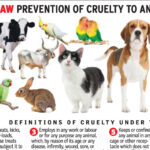
The demand for reform can echo powerfully in the corridors of legislative bodies. Advocates must urgently call for stronger laws that safeguard animal rights. The introduction of strict penalties against cruelty, regulations governing the treatment of pets, and legislation that curbs the exploitation of wildlife are essential steps toward fostering a more humane society. Each law can act as a bastion of hope, a barrier against the torrents of violence that threaten to engulf countless innocent lives.
Education also plays a crucial role in combating this issue. By raising awareness among the public—particularly among younger generations—we can instill a sense of responsibility and respect towards all living beings. Schools should incorporate discussions on animal welfare into their curricula, promoting compassion and ethical treatment. Just as we teach the importance of caring for our environment, so too must we emphasize the responsibility of caring for our animal companions.
Grassroots movements dedicated to animal welfare exemplify the resilience of those who advocate for change. Organizations that work tirelessly to rescue abused animals, rehabilitate them, and find them loving homes embody the very essence of hope. These sanctuaries are a direct rebuttal to the cruelty that permeates society, showcasing the transformative power of love and commitment. Adopting a pet from a shelter is not merely an act of kindness; it is an ethical stance that challenges the ingrained prejudices surrounding animal ownership.
Yet, the journey does not end with simple advocacy or rescue. The call to arms extends into our kitchens and consumer choices. Making conscientious decisions about the products we consume, choosing cruelty-free options, and reducing meat consumption can create ripples of change that resonate beyond personal actions. Every purchase embodies a vote for the kind of world we wish to cultivate. Supporting local farmers who prioritize humane treatment of animals can further reinforce a culture grounded in respect.
In closing, the time has come to raise our voices and advocate for those who cannot speak for themselves. The images of suffering, the stories of despair—when transformed into a clarion call for change—can inspire a movement that transcends barriers. Let us not stand idle as the silent cries of innocent creatures echo in the void. Instead, let us join together, united in our commitment to address and dismantle the structures that perpetuate animal cruelty. Through unwavering compassion and collective advocacy, we can illuminate a path toward a more benevolent world—one where all beings coexist in harmony.