In an era where pet ownership is on the rise, the grooming industry burgeons with a myriad of tools designed to help maintain the health and appearance of our beloved animals. One such tool is the animal hair brush, a simple yet effective device that can enhance the quality of life for both pets and their owners. However, as new generations of consumers become increasingly conscious of ethical practices, questions arise: Can animal hair brushes be cruelty-free? What defines ‘cruelty-free’ in the realm of grooming tools? This exploration aims to unravel the intricacies of animal grooming products, spotlighting real techniques and advancing into the wider implications of ethical consumerism.
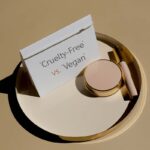
To ground this discourse, we must first understand the notion of cruelty-free. This term is predominantly wielded in contexts that advocate for the humane treatment of animals. It implies that no animal has been subjected to harm or exploitation during the production of a product. Conditioner rules and wet noses aside, animal hair brushes often fall into a grey area. Many are crafted from synthetic materials, thereby bypassing potential animal rights infractions. Yet, in the case of brushes made from natural fibers, ethical considerations become paramount.
Examining the materials used in animal hair brushes serves as a critical linchpin. For example, brushes that utilize boar bristles or other animal-derived substances can indeed raise ethical eyebrows. Are these fibers harvested in a manner that respects the animals? Or do these practices foster systems of cruelty and exploitation? In this light, it is essential for consumers to scrutinize the labels of grooming products, demanding transparency from manufacturers regarding sourcing and production practices.
Moreover, the escalating demand for vegan alternatives has spurred numerous companies to innovate. Synthetic fibers are touted as viable substitutes, mirroring the benefits of their natural counterparts without the ethical dilemmas. These brushes can effectively remove loose fur and dander, thereby minimizing the potential for allergic reactions in household environments. Dogs and cats alike may benefit from the gentler touch of synthetic materials that are crafted with care to avoid irritation of the skin.
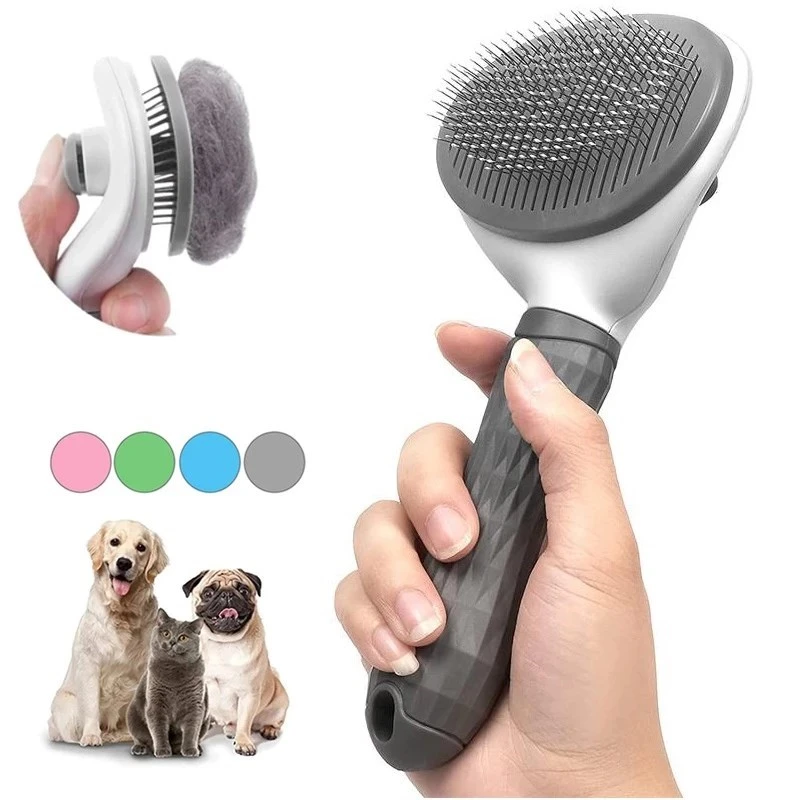
The dynamics between grooming tools and animal welfare extend beyond raw materials. The design and functionality of brushes play a significant role in ensuring a positive grooming experience. Ergonomically designed brushes enhance comfort during use, which is essential for both the human and the pet. A poorly designed tool can make grooming a dreaded chore rather than an enjoyable bonding experience. Furthermore, some brushes incorporate thoughtful mechanisms, like self-cleaning features, that prevent fur accumulation and promote hygiene. Such designs highlight an awareness of both user experience and care for the pet, signaling a progressive paradigm shift in the grooming industry.
In recent years, the conversation surrounding animal grooming has gracefully intertwined with the principles of sustainability and eco-friendliness. The paradigm of ethical consumerism implores manufacturers to consider the environmental impact of their products. Brushes made from biodegradable materials offer a harmonious alternative—providing users with the assurance that their grooming tools marry functionality with ecological responsibility.
The ascendance of cruelty-free grooming products is not merely a passing fad; it’s a shift in the cultural consciousness. Brands that prioritize ethical practices are not only capturing consumers’ loyalty but are also championing a broader movement toward animal rights. An increasing number of organizations are presenting certifications that validate cruelty-free claims, further empowering consumers to make informed choices. When purchasing an animal hair brush, certification labels become an essential guide, navigating the ethical landscape of cruelty-free products.
Education serves as an invaluable tool for consumers on this quest toward cruelty-free grooming. Armed with knowledge, individuals can adopt a discerning approach when selecting grooming tools. Embracing local businesses that prioritize ethical practices fosters community and supports humane treatment. Recommendations from veterinarians or animal advocacy organizations can guide pet owners toward cruelty-free brushes and grooming techniques, ultimately benefitting the health and well-being of animals.
As innovation continues to burgeon, the quest for cruelty-free grooming extends beyond the confines of brushes. Accessories such as grooming gloves, combs, and even shampoos partake in this vital dialogue. Exploring packages that emphasize ethical production and animal welfare opens a world of possibilities—the potential for 100% cruelty-free grooming routines that prioritize both our beloved pets and wider ethical considerations.
The relationship between pets and their guardians is symbiotic; it thrives on respect, care, and love. By adopting cruelty-free grooming practices, pet owners convey a profound message of compassion. Our choices matter, and the ripple effect created by ethical decisions has the power to reshape industries. Advocacy for animal rights must resonate through our grooming techniques and tools. With each brush sweep, we can redefine what it means to honor the life of our beloved companions.
In conclusion, animal hair brushes can indeed be cruelty-free, provided that consumers remain informed and vigilant in their quest. By prioritizing ethical sourcing, sustainable practices, and compassionate designs, these grooming tools can transcend their utility and become instruments of advocacy. The landscape of pet care is evolving, and with each ethical choice, we herald a future that champions the rights and welfare of animals. Ultimately, we wield the power to initiate change—one brush at a time.