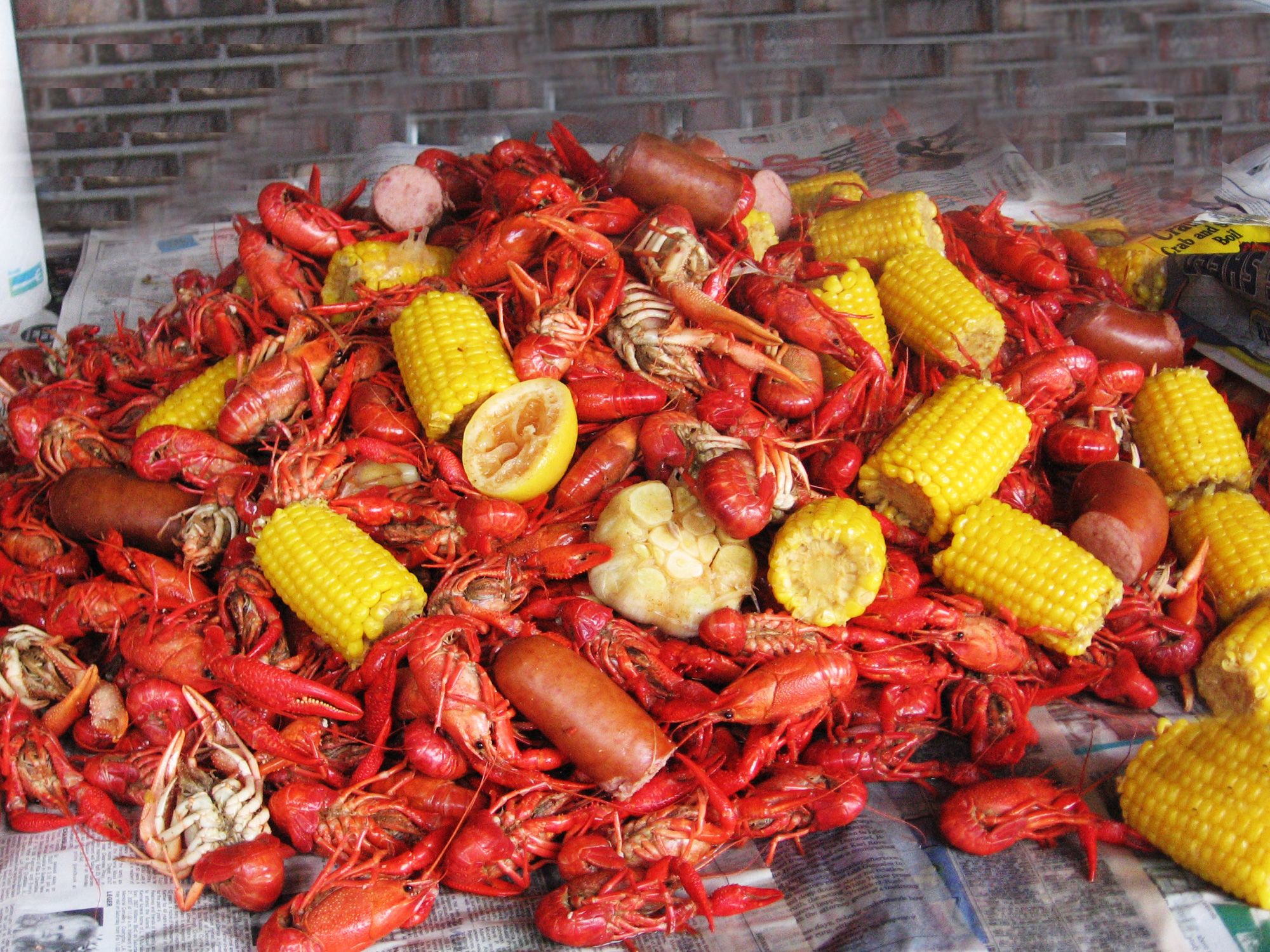
Across different cultures, certain activities are celebrated with great enthusiasm, often steeped in tradition and communal spirit. Two such activities are crawfish boils—common in the southern United States—and bullfights, which have historical significance particularly in Spain and parts of Latin America. While both events evoke a sense of festivity and togetherness, they are inherently different in their treatment of animals. This dichotomy raises a critical question: Are these events celebrations of culture or manifestations of cruelty?
The crawfish boil, an event that often transforms backyards into vibrant culinary sanctuaries, symbolizes a time for friends and families to gather, enjoy food, and create lasting memories. This tradition involves the boiling of live crawfish, which is often accompanied by seasoning, potatoes, corn, and various celebrations. Traditionally, the process begins by sourcing the live crustaceans, preparing them for the pot, and, ultimately, immersing them into boiling water—a decidedly violent end for these creatures. It is in this moment that the festivities give way to questions of morality and ethics.
Upon consideration, the extraction of crawfish from their natural habitat and their subsequent demise invokes disquieting thoughts. Crawfish, like many other animals, exhibit complex behaviors and responses. They possess a rudimentary nervous system and have been shown to react to harmful stimuli, raising questions about their capacity for suffering. Are we, in our silent indulgence during these gatherings, blind to the inherent cruelty woven into the fabric of our merriment? As the aroma of spices wafts through the air, do we neglect to consider the price paid by these living beings?
In stark contrast, the bullfight is often viewed through a lens of heritage, pride, and ritualistic pageantry. Clad in colorful costumes, matadors execute a dance of death in an arena adorned with historic significance. The spectacle captivates audiences with its dramatic flair and the artistry displayed in the interaction between human and beast. Yet, the reality of bullfighting is starkly different. The event often culminates in the death of the bull, a fate that is preceded by a calculated and painstaking process that inflicts prolonged suffering. Despite its cultural roots, the question remains—should any tradition be upheld at the cost of an animal’s life?
Both crawfish boils and bullfights illustrate a troubling paradox. They reflect the tension between cultural preservation and the growing awareness of animal rights. In contemporary society, there is an evolving dialogue regarding our responsibilities towards animals, urging us to reconsider our enjoyment derived from their suffering. Our affinity for tradition should not eclipse our ethical obligation to protect those who cannot speak for themselves.
The fervor surrounding these events can lead to a remarkable cognitive dissonance. For instance, at a crawfish boil, the social atmosphere pulsates with laughter and cheer, overshadowing the grim reality of the creatures involved. Guests relish the sensory experience—the spicy flavors, the camaraderie of cracking open shells—in a spiraling vortex of delight. However, how often do participants pause to reflect on the sentient beings that met their end for these ephemeral moments of joy?
Similarly, in the arena of bullfighting, the underlying brutality is often romanticized. The narrative of the valiant matador facing off against the beast is captivating, draping the act of violence in a cloak of nobility. Yet, this glorification distracts from the chilling tableau of the bull’s suffering, showcasing a grave oversight in the celebration of what is, ultimately, a violent act. Indeed, the celebration of cultural identity must reckon with the ethical implications of how it intersects with the treatment of animals.
The shift in societal norms, particularly in the context of animal welfare, has led to a reassessment of how we celebrate. From culinary practices to sporting traditions, the dialogue is expanding. Sensitivity towards the lives of animals calls for a transformative shift in our perspectives. Events like crawfish boils need not require the abolition of tradition but rather an evolution. Perhaps they can pivot towards the utilization of ethically sourced ingredients or plant-based alternatives that honor the communal spirit without sacrificing ethical considerations.
As society grapples with shifting paradigms, we stand at a juncture. Beans, potatoes, and corn can become the centerpiece of gatherings rather than the exploitation of living beings. In the realm of bullfighting, advocates for animal rights are pushing for reforms that focus on non-lethal displays of human-animal interaction, highlighting the need for compassion to infuse cultural celebrations.
The discourse surrounding crawfish boils and bullfights serves as a catalyst for broader conversations about our values and the implications of our choices. They remind us that celebrating tradition should not come at the expense of sentient beings’ lives. In revisiting these events through an ethical lens, we foster a culture that honors both our heritage and the dignity of all creatures. Ultimately, the question lingers: Can we reframe our celebrations in ways that promote joy without cruelty? The answer lies within our capacity for empathy and our commitment to change.