Animal cruelty is a pressing issue that has garnered significant attention in recent decades. This vile practice manifests itself in countless forms, each heartbreaking and disturbing in its own right. Understanding the various dimensions of animal cruelty and recognizing its prevalence in our society is imperative for compassion-driven individuals. This article serves as a persuasive text, intending to galvanize readers into action against this abhorrent abuse of our fellow sentient beings.
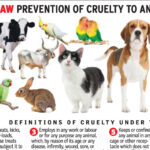
To elucidate the importance of this discourse, it is essential first to define what constitutes animal cruelty. The term encompasses a spectrum of behaviors ranging from neglect and abandonment to overt violence and exploitation. Neglect often emerges in the form of inadequate shelter, insufficient nutrition, and lack of veterinary care. This can occur in domestic situations, where pets are left to fend for themselves, or in more extensive environments such as puppy mills, where animals are bred for profit without regard for their wellbeing. Moreover, the term encapsulates deliberate acts of harm, including physical abuse, torture, and psychological torment. These actions not only inflict immediate pain but can also lead to long-term psychological trauma in the animals affected.
The reality is that animal cruelty is far more pervasive than many may believe. Statistics reveal a stark and alarming picture; millions of animals suffer annually, revealing an epidemic that transcends mere individual acts of malice. This cruelty is not confined to the fringes of society; it permeates industries reliant on animal exploitation, such as factory farming, entertainment, and scientific research. For instance, the conditions in factory farms, where animals are often crammed into intolerably unsanitary spaces and subjected to inhumane slaughter practices, exemplify systemic cruelty embedded within our food production systems. It is imperative that consumers scrutinize their food sources and understand the implications of their dietary choices.
A persuasive essay on animal cruelty effectively employs emotional appeal (pathos), logical reasoning (logos), and ethical considerations (ethos) to engage the reader’s conscience. By recounting harrowing anecdotes of suffering animals, writing can evoke compelling emotional reactions that require readers to confront the harsh realities of animal suffering. These narratives often serve as a gateway to connect the reader’s empathy with the plight of voiceless creatures. The vivid descriptions of neglected pets left to roam the streets or the gruesome accounts of animals confined in cages can inspire readers to form a visceral response. When confronted with these realities, the instinctive desire to alleviate suffering often compels individuals toward action.
On a logical level, one can argue that the ramifications of animal cruelty extend beyond the animals themselves; they impact societal health and moral frameworks as well. Research has shown that individuals who engage in acts of cruelty towards animals are more likely to exhibit violent tendencies toward humans, establishing a direct correlation between animal abuse and broader societal violence. Addressing animal cruelty thus becomes a moral imperative—a reflection of our collective conscience and our capacity for empathy. This reasoning lays a solid foundation for advocating policy changes, such as implementing stricter animal welfare laws and increasing penalties for violators. It also underlines the necessity for education on humane treatment of animals from a young age, promoting a generation that values compassion over cruelty.
In addition, imperatives for ethical consideration come into play. The debate surrounding animal rights posits that animals, as sentient beings capable of experiencing pain and joy, deserve legal protection and humane treatment. Numerous philosophical arguments, such as those posed by prominent ethicists like Peter Singer and Tom Regan, emphasize that animals have intrinsic value independent of their utility to humans. By acknowledging the rights of animals, society can shift towards a more compassionate framework, one that respects and safeguards the lives of non-human beings.
The power of persuasive texts, especially within the realm of animal rights advocacy, often lies in their ability to mobilize a community. A well-crafted essay can galvanize readers to share information via social media platforms, participate in local or national campaigns, and support organizations dedicated to the rescue and rehabilitation of abused animals. Furthermore, engaging the reader with actionable steps—such as adopting from shelters, advocating for legislative changes, or donating to animal welfare organizations—transforms passive empathy into active involvement. This transformation is crucial; it reflects the transition from mere awareness to impactful action.
In conclusion, the issue of animal cruelty demands urgent attention and immediate action. Through poignant storytelling and rational arguments, a persuasive text can illuminate the grim realities faced by countless animals, urging readers to rethink their relationship with animals in society. The sheer prevalence of animal suffering, coupled with the ethical obligations we have as human beings, necessitates a strong response to this crisis. By fostering awareness, engaging in dialogue, and championing change, we can strive towards a world where all creatures are treated with respect and compassion—not merely as objects but as beings worthy of dignity. It is time to recognize that our actions matter and that every effort contributes to the larger fight against animal cruelty. Advocating for these voiceless souls is not just a noble pursuit; it is an essential one.