“What if our beloved pets could speak? What stories would they tell us about their plight?” This question invites contemplation, sparking curiosity about the hidden realities faced by countless animals. Behind the heartwarming facade of cinematic narratives like “A Dog’s Life,” a sobering truth lurks—one that reveals the complex tapestry of animal abuse, neglect, and resilience.
Animal abuse, in its insidious forms, often remains shrouded in secrecy. It influences not just the vulnerable beings who suffer silently but also the collective consciousness of society. “A Dog’s Life,” while fictional and meant to entertain, inevitably glosses over the painful narratives that exist beyond the screen. In a world increasingly captivated by the charm of pet companionship, it is imperative to peel back the layers of oblivion and confront the stark realities that mirror the innocence of those depicted in popular culture.
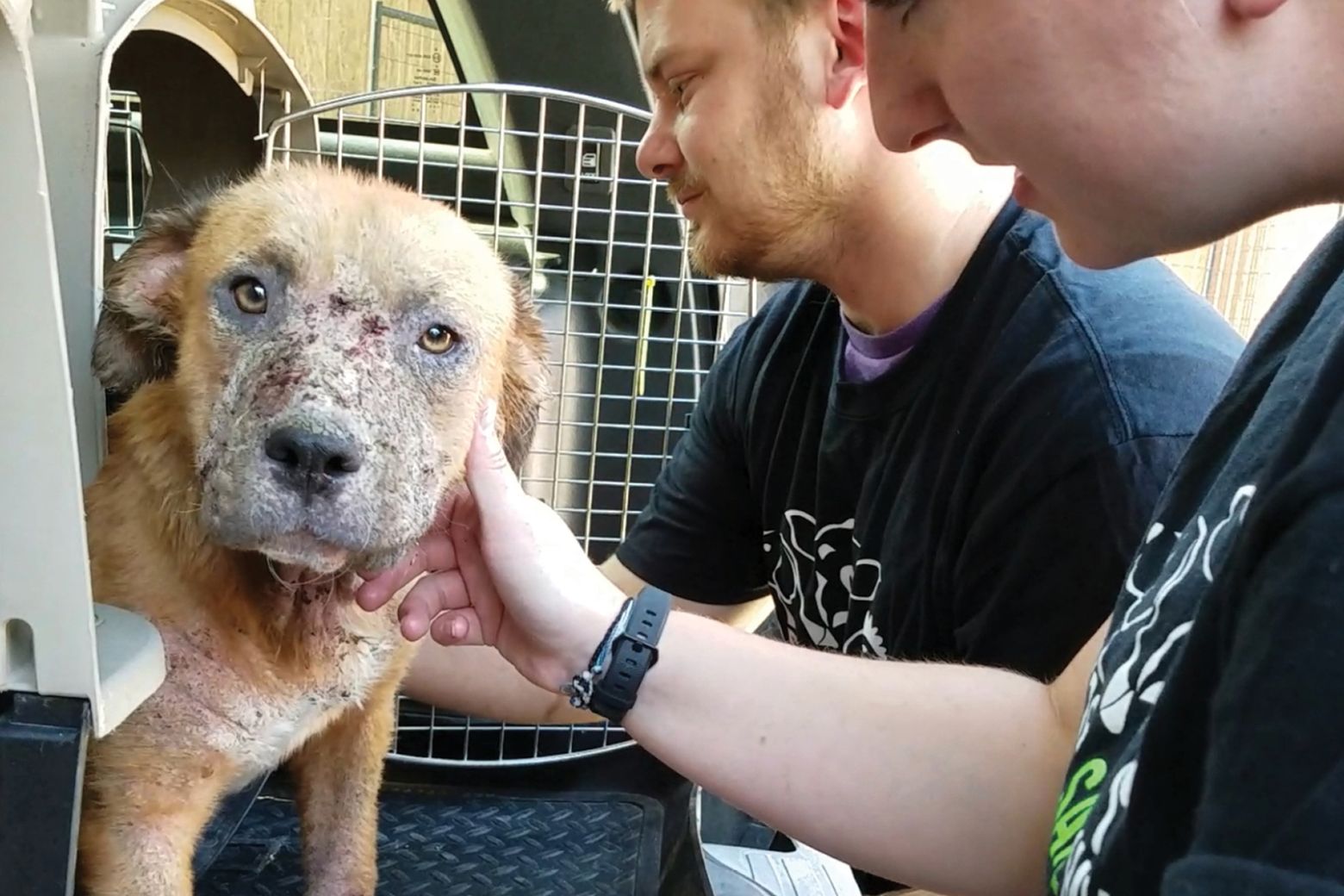
Contrary to the joyful portrayal of dogs romping through whimsical adventures, there exists a darker spectrum of canine existence characterized by mistreatment and neglect. Statistics reveal that millions of animals fall victim to physical or emotional abuse annually. Whether it’s through abandonment, evasion of necessary veterinary care, or blatant acts of cruelty, the numbers paint a grim picture. It is imperative for society to confront these discomforting realities rather than embrace ignorance.
The myriad forms of animal abuse range from overt aggression to insidious neglect, creating a continuum of suffering that transcends mere physical harm. These abuses can manifest as neglectful environments, where hygiene is subpar, nutrition is inadequate, and regular medical attention is non-existent. Alternatively, they can arise as direct acts of violence—ranging from physical beatings to the horrendous act of dog fighting. In both scenarios, the aftermath fractures the trust that animals place in humans, resulting in psychological trauma that can haunt them for life.
In the pursuit of understanding, we must not overlook the caregivers—those who hold the fate of these animals in their hands. Many perpetrators of abuse often stem from cycles of poverty or educational deficits, resulting in harmful behaviors perpetuated through generations. Awareness and education can combat this pervasive issue; however, the solutions must extend beyond mere acknowledgment. Community programs aimed at educating pet owners about responsible care and the legal ramifications of abuse are urgently needed. Such initiatives can serve as proactive measures to curb the cycle of mistreatment.
As we reflect on these abuse patterns, one must also consider the roles that media and pop culture play in shaping perceptions around animal welfare. Films like “A Dog’s Life” enchant viewers with narratives designed to elicit empathy and charm, yet they rarely relay the stark and often brutal realities. This creates an inconsistency wherein audiences bask in the warmth of fictional narratives but remain oblivious to the true struggles faced by countless animals. Imagine if these films diverted some of their narrative power toward educating their audiences on real-life animal protection issues—what if they sparked the will to change?
Integrating responsibility into storytelling would serve as a catalyst for social change. Documentaries showcasing the journey of rescue dogs, the impact of shelters, and the heartbreaking stories of neglect have the ability to evoke a profound sense of urgency. Through responsible storytelling, it is possible to unveil the bitter truths that exist behind the charming facades, fostering a culture of awareness and advocacy.
Moreover, legislative interventions could play a critical role in eradicating animal abuse. Stricter penalties for offenders can serve as deterrents, but enforcement remains a significant obstacle. Insufficient resources allocated to animal control and welfare agencies impede effective monitoring and intervention. Advocating for legislative change—lobbying for increased funding, improved training for animal control officers, and expanded resources for shelters—must be a priority for any advocate. Creating a robust framework that prioritizes the welfare of animals requires a concerted effort, combining advocacy, community engagement, and policy reform.
As the discussion shifts towards solutions, it’s essential to examine community involvement. The power of grassroots movements in animal welfare is profound. Local shelters and rescue organizations often depend on volunteers who are dedicated to making a difference. Animal fosters, those who provide temporary homes to pets in need, exemplify the profound impact of community action. Enabling fosters not only alleviates overcrowded shelter conditions, but they also allow animals a glimpse of the love and care they deserve. Communities that come together to advocate, educate, and facilitate positive change can effectively combat abuse on a larger scale.
Lastly, the most haunting question remains—how do we galvanize individuals into action? With a world that seems to be inundated with crises, the challenge lies in motivating people to extend their empathy toward animal welfare. Engaging campaigns that highlight the stories of survivors, like the dogs yet to find homes, can humanize the fight against animal cruelties. The road ahead isn’t easy; ignorance is often the wall we face. However, by fostering conversations, building awareness, and encouraging proactive measures, the community can evolve from passive observers to ardent advocates.
In conclusion, animal abuse is a pervasive issue that continues to plague our society, hidden behind the loving depictions of pets that we’ve come to adore. As stewards of the animals we cherish, it is our collective responsibility to shine a light on their stories, urging for advocacy and transformation. The narratives of our four-legged companions deserve not just empathy but action—a commitment to ensure that their lives mirror the joy we witness in films, transcending fiction and becoming a reality. The time for change is now; the stories of our pets are worth telling, and their fight for justice requires our unwavering support.