Animal cruelty is a pervasive issue that affects millions of innocent lives each day. It manifests in various forms, from outright abuse to systemic neglect. The need to address this grievous reality is immediate; we stand at a crossroads where inaction could result in unspeakable suffering. Thus, it is paramount to explore why we should stop animal cruelty—not tomorrow—not next week—but today.
First and foremost, it is essential to comprehend the scope of animal cruelty. This vile practice transcends geographical boundaries, encompassing urban centers and rural landscapes alike. The World Animal Protection Organization reports that approximately 100 million animals are killed for food worldwide every year, reflecting a grim reality that highlights the exploitation of sentient beings. However, animal cruelty also envelops the realms of experimentation, entertainment, and neglect. Each of these facets reveals a common thread: the disempowerment of creatures that share our planet. A change in perspective is not just beneficial; it is imperative.
Making a conscious decision to combat animal cruelty invites us to reconsider our relationship with animals. This reconsideration obliges us to acknowledge their intrinsic value as living beings endowed with emotions, instincts, and a desire for well-being. Unlike inanimate objects that can be discarded or neglected, animals manifest complex behaviors and emotions, similar to those of humans. This recognition compels us to reassess our responsibilities towards them. Their plight cannot continue to be an afterthought in our consumer-driven lifestyles.
The ethical implications of animal cruelty are staggering. To perpetrate violence against animals is to dehumanize not only them but also ourselves. It breeds a culture of desensitivity that can seep into societal norms, allowing for cruelty to flourish unchecked. When we observe indifference to animal suffering, we risk normalizing such behavior, which influences our interactions with fellow humans. The act of harming animals is often a precursor to other forms of violence, including domestic abuse and criminal activity. Research indicates that individuals who inflict cruelty upon animals are likelier to exhibit violent behavior towards humans. This correlation elucidates the pressing need to cultivate compassion and empathy at all levels of society.
Furthermore, addressing animal cruelty is not merely a moral obligation; it also has practical implications for public health and safety. Practices involving factory farming expose both animals and humans to an array of pathogens, leading to the emergence of zoonotic diseases—illnesses that are transferrable from animals to humans. The recent global pandemics have underscored our vulnerability to these zoonotic threats. By fostering humane practices and ceasing cruel treatment of animals, we can mitigate the risk of future outbreaks, safeguarding not just animal welfare but human health as well.
Moreover, the economic repercussions of animal cruelty should not be overlooked. The animal agriculture industry incurs significant costs, from healthcare to environmental management. The exploitation of animals requires extensive resources that contribute to environmental degradation. The consequences of factory farming are manifest in deforestation, water pollution, and greenhouse gas emissions. Sustainable practices that prioritize animal welfare not only benefit the animals but also foster the creation of a stable ecological balance, aligning with the collective global initiative toward sustainability.
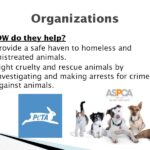
To effectuate change, education plays a vital role. Numerous organizations, activists, and educators are mobilizing efforts to illuminate the darker sides of animal cruelty. Awareness campaigns, community outreach programs, and educational initiatives serve to enlighten the public about the consequences of cruelty towards animals and advocate for their rights. It is through this communal enlightenment that we can nurture empathy and responsibility among current and future generations. Children, when taught kindness towards animals, carry those lessons into adulthood, shaping a future marked by compassion rather than cruelty.
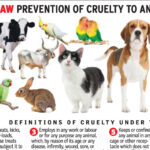
As citizens of a global society, we possess the power to influence systemic change through our choices. Supporting humane alternatives—be it through diet, consumer habits, or activism—can harbor significant impacts. By consciously choosing cruelty-free products, we send a clear message to industries that promote animal suffering: the days of indifference are over. Our voices carry weight, and when united, they can forge meaningful policy changes that hold perpetrators of animal cruelty accountable. Lobbying for stricter laws and supporting non-profit organizations are practical steps we can take to advance animal rights.
It is crucial to realize that the road to ending animal cruelty is not a solitary venture; it requires a collective effort that includes every individual’s participation. We must share our experiences, stories, and knowledge. Social media platforms allow for widespread dissemination of information, encouraging dialogues that can challenge the status quo. It is essential to spark conversations that elevate the debate surrounding animal rights and encourage peers to take actionable steps.
Ultimately, the time to act is now. Indifference perpetuates suffering, while active engagement fosters hope and change. By committing ourselves to allyship with animals, we are taking a proactive stance against an archaic practice that harms not only the innocents but also corrodes the very fabric of societal ethics. To stop animal cruelty today—not tomorrow—is to herald a future grounded in empathy, respect, and coexistence.
In conclusion, stopping animal cruelty is a multifaceted endeavor that requires immediate action, ethical reconsideration, and a commitment to sustainable practices. The journey begins with each of us deciding that the plight of animals cannot be overlooked any longer. Today, we can change the narrative and foster a milieu where kindness prevails, and the rights of all living beings are respected. Let this be our promise—no more waiting for tomorrow.