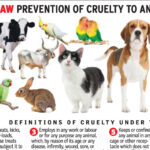
In an era marked by rapid technological advancements and social evolution, the specter of animal cruelty looms larger than ever, casting a shadow over our moral fabric. The sheer extent of this affliction is reminiscent of a raging wildfire, consuming everything in its path. Awareness regarding this harrowing reality, therefore, is not merely advantageous but urgently necessary. It becomes imperative to confront the cold hard facts of this crisis and dissect the multifaceted reasons that underscore the immediate need for awareness and action.
Animal cruelty, in its myriad forms, is an insidious reality deeply embedded within the fabric of contemporary society. It manifests in various guises: from the malnourished strays roaming the streets to the abominable conditions of factory farms. This cruelty can be likened to a relentless tide, quietly eroding the sanctity of life, leaving behind mere shells of suffering beings. Awareness acts as a dam; it holds back that tide and inspires a collective push towards empathy and change.
Statistics regarding animal cruelty are alarming and serve as a wake-up call to society. The American Society for the Prevention of Cruelty to Animals (ASPCA) reports that approximately 6.5 million animals enter shelters every year in the United States alone. Of these, 1.5 million are adopted, while countless others face the harrowing fate of euthanasia. Such numbers illustrate not just a systemic failure to protect vulnerable creatures, but a societal apathy that nurtures suffering. When the facts are laid bare, we start to understand that ignorance is not bliss but a pas de deux with tragedy.
The urgency of raising awareness also intensifies as technology amplifies the visibility of animal exploitation. In an age of social media dominance, shocking images and videos of abuse can go viral in seconds, igniting outrage and empathy. However, such moments of viral outbursts can be fleeting, dissipating like morning fog when the sun rises. If not transformed into sustained activism, they risk becoming mere echoes in the digital vacuum, where fleeting outrage does little to foster meaningful change—this is a conundrum that deserves consideration.
Activism should not be confined to knee-jerk reactions; rather, it should evolve into a steadfast movement anchored in education and systemic change. The efforts to raise awareness about animal cruelty should be likened to tending to a delicate garden; it requires continuous care, nurturing, and advocacy. This garden, once planted with seeds of awareness, can flourish into a robust network of voices that confronts the status quo. Educating communities about the necessity of compassion towards animals is paramount in cultivating a culture that respects all forms of life.
Moreover, the interconnectedness of social justice issues amplifies the urgency of addressing animal welfare. Many who advocate for human rights often overlook the plight of animals, despite the undeniable parallels between these struggles. Cruelty to animals serves as a microcosm of broader societal malfunctions, revealing deep-rooted inequalities and systemic injustices. Ignoring animal welfare perpetuates a narrative where suffering is normalized, and the oppressed—whether human or animal—are rendered voiceless.
The emotional toll on individuals who witness or are aware of animal cruelty cannot be dismissed. The phenomenon known as “compassion fatigue” leaves many seeking refuge from the weight of such knowledge. This cyclical pattern underscores a critical point: sustainability in activism is essential. Raising awareness not only informs but also equips individuals with the tools to cope and mobilize effectively. Interventions such as volunteer opportunities, educational programs, and community engagement initiatives can channel the emotional turbulence into actionable solutions. This approach fosters resilience and offers a haven for those who might otherwise become disillusioned.
Furthermore, the implications of neglecting the urgent need for awareness about animal cruelty extend beyond immediate suffering. It informs the ethical framework of future generations. Teaching children about empathy and respect towards animals creates a ripple effect that can reshape societal values. By instilling the principles of compassionate coexistence, we pave the way toward cultivating a society that values ethical considerations across the board, ultimately benefiting both humans and animals alike.
Reforming industries that profit from animal cruelty is another crucial aspect of this conversation. From puppy mills to the livestock industry, the systemic exploitation of animals is often masked under the guise of productivity and convenience. Consumer consciousness can catalyze monumental shifts; each purchase, each choice, reverberates through the market. By advocating for humane practices and supporting ethical businesses, individuals can become a part of a larger solution that incentivizes compassion over cruelty.
In conclusion, raising awareness about animal cruelty is an urgent call to action in today’s world. It acts as a catalyst for change, fostering empathy and understanding within communities. The dialogue surrounding this issue must not dwindle; instead, it should flourish into a symbiotic relationship where consciousness and compassion unite. By amplifying the voices of the voiceless, we pave the way for a brighter future, one where kindness reigns and cruelty is merely a remnant of a bygone era. In our collective journey toward a more humane society, awareness is not just the first step; it is the very foundation upon which enduring change can be built.