Animal cruelty is a pervasive issue that haunts our communities, lurking in the shadows like a specter that refuses to dissipate. Sadly, it manifests in various forms, from intentional acts of violence to negligent abandonment. When faced with such heartbreaking scenarios, knowing where to turn can be invaluable. This guide delves into the channels through which you can report animal cruelty in Los Angeles County, ensuring that the voiceless have advocates ready to respond.
Los Angeles County is vast, teeming with an array of vibrant life. Among its bustling streets and sprawling parks exists a myriad of creatures, each deserving of compassion and respect. If you encounter an instance of animal cruelty, the first step is understanding the framework you can engage with to protect these innocent beings.
1. The Frontline: Local Animal Control Agencies
In Los Angeles County, your initial point of contact should be the local animal control agencies. They function as the frontline defenders against animal cruelty, responding to reports and investigating allegations. Each city within the county may have its own agency, but they all align in the mission to uphold animal welfare.
- Los Angeles Animal Services: Serving the City of Los Angeles, this organization oversees the protection of animals citywide. You can report abuse or neglect by calling their hotline at 3-1-1 or visiting their website for more information.
- County of Los Angeles Department of Animal Care and Control: Covering areas outside city limits, this department works diligently to investigate cases of cruelty and enforce laws. They provide a streamlined service through their online portal, where reports can be filed easily.
2. Unveiling the Layers: Understanding Animal Cruelty
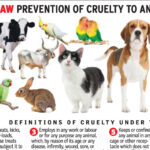
Before making a report, it’s crucial to understand the various forms of animal cruelty. This knowledge enables you to articulate your concerns more effectively, ensuring that the situation receives the appropriate attention it deserves. Animal cruelty can be classified into two main categories: active and passive.
- Active Cruelty: This involves deliberate harm inflicted upon animals, such as physical abuse or violence. Examples include beating, burning, or otherwise torturing animals for entertainment or malice.
- Passive Cruelty: Often rooted in ignorance or apathy, this form involves neglect. It may manifest as inadequate shelter, failure to provide medical care, or malnourishment.
Recognizing these distinctions not only equips you for reporting but also enlightens others about the subtleties of the issue. When one can differentiate between these forms, the potential for meaningful intervention increases.
3. The Voices of Advocacy: Animal Welfare Organizations
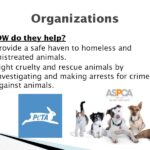
In addition to governmental agencies, numerous non-profit organizations in Los Angeles tirelessly advocate for animal rights and welfare. These organizations serve not only as an educational resource but also as an alternative avenue to report cruelty.
- ASPCA: Although a national organization, the ASPCA has a local presence and resources available for reporting and discussing cases of animal cruelty. Their expertise often leads to significant interventions.
- Los Angeles SPCA: With a history of fighting for animal rights, this organization relies on community involvement and awareness to combat cruelty. They provide numerous resources for reporting and educating citizens.
These organizations often collaborate with local agencies to ensure a comprehensive approach to enforcing animal rights and protections. By utilizing their resources, you become part of a larger movement committed to eradicating cruelty.
4. The Role of Law Enforcement
Animal cruelty is not just an ethical issue; it is also a legal one. In Los Angeles, local law enforcement agencies have the authority to investigate and prosecute cases involving animal cruelty. If you observe serious abuse, such as injuries requiring medical attention, do not hesitate to involve law enforcement.
Dial 9-1-1 for emergencies or non-emergency police lines to report situations where immediate action is necessary. When making your report, provide as much detail as possible—describing the incident, the animal involved, and any identifying details about the perpetrator can facilitate a much swifter response.
5. Community Resources and Education
Educating oneself and others about animal rights is a cornerstone of advocacy. It is essential to foster awareness in your community, transforming the collective consciousness towards animal welfare. Participating in local events, workshops, and educational seminars not only enhances your understanding but also empowers you to spread information.
- Pet Fairs: Many organizations host pet fairs where you can learn more about responsible pet ownership and animal welfare initiatives.
- Volunteer Programs: Getting involved in volunteer programs with local shelters can provide firsthand insight into the issues animals face in your area and help you become a more effective advocate.
6. The Importance of Documentation
When reporting animal cruelty, meticulous documentation is crucial. Take notes on what you see and hear. Photographs can be particularly impactful. They serve as irrefutable evidence that may be needed during investigations or legal proceedings. Ensure that all documentation is objective and factual, avoiding any emotional language.
7. Steps Beyond Reporting
While reporting is a vital step, it’s not the end of the journey. Advocating for change should also encompass long-term commitments. Engage with local policymakers, attend town hall meetings, and campaign for stronger animal protection laws. By becoming an active participant in your community’s governance related to animal welfare, you cement your role as a defender of the voiceless.
As citizens of Los Angeles County, we are entrusted with the responsibility of caring for those who cannot care for themselves. Navigating through the complexities of reported cruelty can seem daunting, but it is a necessary endeavor that unveils the underlying compassion within our communities. Understanding where to report animal cruelty not only protects animals today but also fosters a society that values empathy and respect for all living beings.