Animal protection laws vary tremendously across the globe, reflecting diverse cultural attitudes, economic priorities, and levels of awareness regarding animal welfare. Despite these differences, an increasing number of countries are enacting legislation aimed at safeguarding the rights and well-being of animals. This overview elucidates the legal frameworks that exist in various regions, highlighting the contrasts and commonalities that define the global landscape of animal cruelty laws.
In the United States, the Animal Welfare Act (AWA) stands as a seminal law pertinent to animal protection. Enacted in 1966, the AWA primarily governs the treatment of animals used in research and exhibition. However, it does not extend comprehensive protection to domestic pets and farm animals. Individual states possess the authority to establish their own laws, leading to a patchwork of regulations. Some states have explicit anti-cruelty statutes that impose penalties for neglect and abuse, while others lack the same rigor. As a result, the level of protection available to animals in the U.S. can significantly fluctuate based on geographic location.
Across the Atlantic, the European Union (EU) presents a more unified legal apparatus concerning animal welfare. The Treaty of Lisbon, which came into force in 2009, recognizes animals as sentient beings. This acknowledgement underpins various EU directives aimed at enhancing animal welfare, encompassing everything from farm animal treatment to bans on certain cruel farming practices such as battery cages or foie gras production. Additionally, member states are compelled to enforce national legislations that align with EU directives, striving towards the establishment of comprehensive animal rights protection throughout Europe.
In contrast to Europe’s cohesive approach, Africa exhibits a more fragmented legal landscape regarding animal protection. Some nations like South Africa have established comprehensive animal welfare laws that criminalize cruelty and promote responsible ownership. The Animal Protection Act of 1962 is a pivotal piece of legislation in South Africa, enforcing standards for the treatment of animals. Conversely, in numerous other African countries, gaps remain in both legislation and enforcement. Socioeconomic factors often take precedence over animal welfare, rendering legal provisions inadequate in addressing the needs of countless animals.
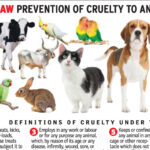
The scenario in Asia exemplifies a substantial divergence in approaches to animal rights. Countries such as India have taken significant strides in animal protection, exemplified by the Prevention of Cruelty to Animals Act of 1960. This legislation criminalizes various forms of animal mistreatment and establishes rights for animals in captivity. However, enforcement of these laws remains inconsistent. In stark contrast, places like China have historically exhibited lax regulations regarding animal welfare, though recent years have witnessed a burgeoning movement advocating for reform and a shift towards more humane treatment of animals.
Latin America has also begun to see progressive advancements pertaining to animal rights. Countries such as Brazil and Argentina have enacted laws aimed at reducing animal cruelty. Brazil’s Federal Law No. 9,605, enacted in 1998, penalizes acts of cruelty towards domestic animals and wildlife alike. Furthermore, municipalities in Brazil have begun to adopt stricter regulations to protect animals at the local level. These legal frameworks signify an uplifting trend, yet challenges remain in terms of enforcement and widespread public awareness about animal welfare rights.
The legislative approaches towards animal cruelty can also be categorized based on the intended scope of protection. Anti-cruelty laws may focus on specific categories of animals, typically domesticated pets or agricultural animals, while others aim to safeguard wildlife. Wildlife protection laws are often designed to prevent poaching, habitat destruction, and the illegal trade of endangered species. Countries like Kenya and Bhutan provide exemplary models of wildlife conservation laws that encompass stricter penalties for poaching and illegal animal trade, emphasizing the necessity of safeguarding biodiversity alongside animal welfare.
Moreover, there are global treaties such as the Convention on International Trade in Endangered Species of Wild Fauna and Flora (CITES) that underscore the need for international cooperation in wildlife protection. By regulating the trade of specific species, CITES addresses a significant aspect of animal cruelty that stems from exploitation and environmental degradation.
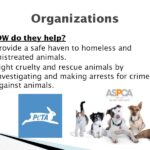
Moving towards a more collaborative international framework, organizations like the World Animal Protection and the Humane Society International advocate for stronger animal welfare legislation across borders. They work to encourage countries to adopt laws that not only address cruelty but also emphasize ethical treatment across various sectors involving animals, including food production, entertainment, and companionship.
While the legal provisions surrounding animal protection are becoming more comprehensive, the enforcement of these laws remains a formidable challenge. A lack of resources, public awareness, and cultural attitudes can hinder effective implementation. In many instances, community education and grassroots advocacy play pivotal roles in fostering a culture of empathy and respect towards animals, potentially bridging the gap between legislation and reality.
As the global discourse on animal rights evolves, it is essential for advocates, legislators, and ordinary citizens to recognize the imperative of cohesive action. Ensuring that laws against animal cruelty are not merely theoretical but practically enforced can lead to impactful change. The ongoing journey towards comprehensive animal welfare legislation is a testament to the increasing recognition of animals as sentient beings deserving of protection. By understanding where animal cruelty is illegal and the varied frameworks supporting these laws, societies can work collectively towards creating a world where all animals are treated with the dignity they inherently deserve.