Animal cruelty, defined as the infliction of suffering or harm on animals, has been a subject of moral and legal consideration for centuries. Its evolution reflects the shifting societal values regarding the stewardship of non-human beings. In both the United States and Canada, the legal framework addressing animal cruelty has matured over time, influenced by cultural perceptions, philosophical movements, and scientific advancements. Understanding when and why animal cruelty became illegal provides valuable insight into broader ethical considerations associated with human-animal relationships.
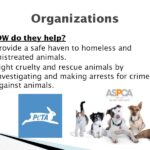
The legal prohibitions against animal cruelty in North America can trace their roots back to the early 19th century. In the U.S., the movement gained momentum with the establishment of the American Society for the Prevention of Cruelty to Animals (ASPCA) in 1866. Founded by Henry Bergh, the ASPCA was one of the first organizations dedicated explicitly to combating animal cruelty through legislative reform, public education, and advocacy. Bergh’s efforts culminated in the passage of the first anti-cruelty law in New York, which laid the groundwork for similar statutes in other states.
In Canada, the situation mirrored the plight of animals south of the border. The Royal Society for the Prevention of Cruelty to Animals (SPCA) was founded in the late 19th century, and Canada’s first Animal Protection Act was enacted in 1892. These early regulations primarily focused on domestic animals, particularly those involved in agricultural practices. Despite their intent, these laws often fell short of comprehensive enforcement and societal acceptance, as the public’s understanding of animal welfare was limited at the time.
The subsequent decades saw these initial legal frameworks evolve in response to growing awareness regarding animal sentience and welfare rights. The early 20th century marked a period of increased scrutiny toward industrial practices involving animals. Public outcry about the inhumane treatment of animals in circuses, laboratories, and slaughterhouses began to gain traction. This mounting concern ushered in a new wave of legislation, with several states enacting laws aimed explicitly at protecting farm animals and those used for entertainment.
As society progressed, particularly through the mid-20th century, the focus on animal rights shifted significantly. The publication of pivotal works, such as Peter Singer’s “Animal Liberation” in 1975, introduced philosophical arguments that challenged the status quo, advocating for animals as beings deserving of moral consideration. These ideas resonated with a growing number of activists, resulting in increased public awareness and the establishment of organizations dedicated to animal rights beyond mere cruelty prevention.
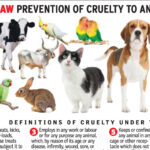
In light of these changing attitudes, legislative frameworks adapted accordingly. By the late 20th century, most states in the U.S. had established comprehensive animal cruelty laws that not only prohibited acts of overt abuse but also encompassed neglect and abandonment. These laws commonly varied by state, reflecting local cultural attitudes toward animals. In Canada, the Criminal Code was amended in 1953, further strengthening protections for animals by outlining various offenses related to cruelty and neglect.
However, throughout the latter part of the 20th century and into the 21st century, variability remained. While some states and provinces implemented stringent measures, others lagged, often influenced by lobbying from agricultural and animal-use industries resistant to reforms. The longstanding cultural reliance on animals for food, labor, and companionship complicated the advancement of more robust protection laws, revealing the juxtaposition between economic interests and ethical considerations.
The digital age heralded yet another critical chapter in the advocacy against animal cruelty. As information became widely accessible, public awareness surged. Graphic content and documentation of abuse, particularly within factory farming and entertainment industries, spurred outrage. Viral campaigns fueled grassroots movements, compelling lawmakers to revisit existing statutes in favor of stronger animal welfare legislation. The rise of social media as a platform for activism allowed advocates to share these grim realities broadly, prompting urgent calls for reform.
In recent years, legislative changes in both the U.S. and Canada indicate a clear trend towards heightened protection for animals. Many states have enacted comprehensive anti-cruelty laws, expanding the definitions of abuse and neglect, and enforcing harsher penalties for offenders. Canada also introduced the Animal Rights Enforcement Initiatives, which have bolstered the capacity for law enforcement to address animal cruelty more effectively.
The evolving legal landscape reflects an underlying cultural shift. Society’s intrigue with animals, rooted in compassion and empathy, contrasts with the utilitarian approach that has dominated animal use throughout history. The deepening understanding of animal cognition and emotional complexity has ushered in an era where legal recognition of animal welfare is increasingly viewed not merely as an ethical obligation but as a societal imperative.
In conclusion, the journey toward the legal recognition of animal rights in the U.S. and Canada is marked by significant milestones that mirror changing societal values. From the earliest anti-cruelty laws of the 19th century to the contemporary legislative reforms, the shift indicates a broadening acknowledgment of animals as beings deserving of protection from harm. As we reflect upon this progression, it is essential to recognize that continued advocacy and awareness are pivotal in fostering an environment where animals are guaranteed a life free from cruelty and exploitation.