As society progresses into 2025, the discourse surrounding animal rights and the legal ramifications of cruelty towards animals has garnered unprecedented attention. Lawmakers globally recognize the essential need to protect our voiceless companions. However, what does the landscape of animal cruelty laws look like today? What punishments await those who commit such heinous acts? A comprehensive appraisal of these laws reveals a definitive shift in perspective about animal welfare, sparking curiosity and concern alike.
The legal framework addressing animal cruelty varies widely from country to country and even from state to state within nations. In the United States, animal cruelty laws have historically been fragmented, often relegated to the jurisdiction of local and state governments. However, a burgeoning trend is emerging—one that promises stricter enforcement and harsher penalties for offenders. Understanding these evolving legal mechanisms is critical for both potential violators and advocates for animal rights.
At the core of these laws is the notion of animal welfare, which recognizes animals as sentient beings deserving of protection. The shift in legal norms signals a broader acknowledgment that animals experience pain, suffering, and emotional distress. This understanding has prompted legislators to reconsider what constitutes cruelty—a term that is, in itself, open to interpretation.
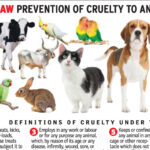
In 2025, many jurisdictions have begun categorizing animal cruelty into various tiers, distinguishing between acts of negligence, maltreatment, and egregious violence. For example, an individual who neglects an animal by failing to provide adequate food or shelter may face different penalties than someone who engages in direct physical harm. This tiered system enables lawmakers to tailor punishments more effectively and align them with the gravity of the offense.
The range of punishments for animal cruelty can be startling. In some states, first-time offenders may be subjected to fines that can reach thousands of dollars. For more severe cases, especially those involving torture or intentional abuse, prison sentences can extend to several years. Courts may also mandate psychological evaluations or counseling, reflecting the belief that cruelty towards animals often indicates underlying moral or psychological issues.
Moreover, the implementation of restorative justice practices has started gaining traction in the realm of animal cruelty. Such measures encourage offenders to take accountability for their actions, often compelling them to participate in community service that benefits animal welfare organizations. This innovative approach aims not only to reprimand but also rehabilitate, fostering a deeper understanding of the responsibilities humans hold towards animals.
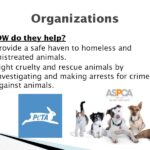
In light of recent societal changes, 2025 has also seen a heightened public consciousness about animal rights, with advocacy groups pushing for stricter laws. These organizations tirelessly campaign for legislative reforms that would impose stiffer penalties for animal abusers. Their voices resonate within various spheres of influence—including schools, community centers, and even in corridors of power—drawing attention to the essential need for robust animal protection laws.
Internationally, the trend appears similar. In countries like Canada, the United Kingdom, and Australia, reforms have led to stricter penalties for animal cruelty. In the UK, for instance, the Animal Welfare (Sentencing and Recognition of Sentience) Act has propelled significant changes, equating animal welfare infringements to serious criminal offenses. The ramifications for perpetrators can range from hefty fines to prolonged prison sentences, emphasizing society’s commitment to eradicating animal cruelty on a broader scale.
Governments are increasingly recognizing the importance of creating awareness campaigns that inform the public about what constitutes animal cruelty. Educational programs aimed at young children and adolescents not only cultivate empathy towards animals but also equip future generations with the knowledge to identify and report abuse. By ingraining these values early, society sets a precedent that intolerance for cruelty is non-negotiable.
However, existing laws and penalties, while evolving, are sometimes still inadequate compared to the welfare concerns raised by advocates. The debate persists on whether animal cruelty laws should be harmonized at the federal level in nations like the United States. A unified legal stance promises greater protection for animals and consistency in enforcement, helping bridge the existing disparities among states.
To garner greater efficacy in combatting animal cruelty, collaboration with law enforcement agencies is essential. Training programs for police officers and animal control officials are being enhanced, enabling them to recognize and appropriately respond to cruelty cases. This aligns with a growing understanding that animal abuse often intersects with other forms of violence, including domestic abuse. This intersectionality suggests that addressing animal cruelty is integral to broader efforts aimed at societal well-being.
As we progress through 2025, societies are challenged to confront a pivotal question: How far are we willing to go in our pursuit of animal justice? The answer lies in not only considering the severity of punishments but also fostering an environment where compassion and empathy for all living beings prevail. The growing legislative movements represent more than just a legal shift; they encapsulate a societal awakening—a commitment to nurturing a world where animals are valued and protected.
In summation, the evolving landscape of animal cruelty legislation reflects an urgent adaptability to societal values. As scrutiny intensifies, the notion that animals deserve protection is gaining momentum. The framework for punishment in 2025 embodies this transformative stance, promising stiffer penalties, innovative rehabilitative strategies, and a concerted effort to eliminate cruelty. The goal isn’t merely punitive; it beckons a future where the safety and dignity of animals are unequivocally prioritized. And as awareness evolves, the curiosity to understand—and ultimately change—our relationship with these beings will continue to flourish.