As consumer awareness around ethical shopping continues to burgeon, understanding which brands embody a commitment to cruelty-free and vegan principles becomes increasingly crucial. This exploration serves not only to enlighten but also to inspire a shift toward conscientious consumption. In an era where the ramifications of our purchasing decisions extend beyond mere satisfaction of needs or wants, evaluating the moral implications of our choices is imperative.
The intersection of veganism and animal rights advocacy manifests a profound ethos: that animals deserve autonomy and protection from exploitation. Thus, brands that embrace cruelty-free practices do so under the banner of compassion, ensuring that no beings suffer in the pursuit of profit. As conscientious consumers, it is vital to decode the veiled marketing claims that many companies wield. This guide aims to elucidate which brands steadfastly advocate for a no animal cruelty ethos, enhancing your ethical shopping journey.
To embark on this exploration, one must first grasp the nuances between veganism and cruelty-free living. While both movements promote the welfare of animals, veganism specifically pertains to abstaining from animal products, which includes food, clothing, and beauty items. On the other hand, cruelty-free delineates products that have not been tested on animals. A brand can be vegan without being cruelty-free, but the pinnacle of ethical shopping harmonizes both principles.
In recent years, several brands have emerged as vanguards of ethical consumption, each spearheading initiatives to buttress their commitments to animal welfare. Companies like Pacifica, known for its vibrant cosmetics, exemplify the merger of aesthetic appeal with ethical integrity. All products are formulated without the involvement of animal-derived ingredients or testing, ensuring that every spritz, swipe, and lather aligns with a no-animal-cruelty ethos.
Next, consider Too Faced Cosmetics, a pioneer in the beauty industry, celebrated not only for its innovative product offerings but also for its staunch position against animal testing. With a plethora of vegan options, Too Faced illustrates that glamour and ethics can coexist harmoniously. Investing in such brands fosters a marketplace that prioritizes ethical considerations, thereby diminishing the demand for unsustainable practices.
Furthermore, the realm of clothing extends these ethics beyond cosmetics. For instance, Everlane has made its mark by promoting transparency and sustainability in fashion. Through their commitment to ethical production processes, they navigate the often murky waters of garment sourcing, ensuring that no animal-derived materials are employed in their collections. Such a dedication inspires curiosity in discerning customers about how their fashion choices capture the essence of cruelty-free living.
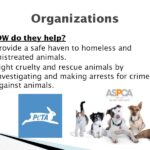
While discussing ethical brands, the relevance of certification cannot be overstated. Certifications like the PETA-Approved Vegan and Leaping Bunny program serve as reliable indicators that a brand adheres to cruelty-free principles. These endorsements provide consumers with an assurance that the products they purchase align with their values. Notably, brands like ethique, which innovates in the realm of solid beauty bars, proudly showcase these certifications, reinforcing trust in their cruelty-free assertions.
The rise of innovative plant-based alternatives further enhances the landscape of ethical consumerism. Brands like Follow Your Heart astound with their dairy-free products—an opulent alternative that does not compromise on taste or ethics. This brand exemplifies how mindful choices can culminate in a burgeoning market for vegan products, subtly nudging non-vegan consumers to reconsider their own choices.
Moreover, the food industry is witnessing a revolutionary shift spurred by brands like Beyond Meat and Impossible Foods. These brands champion the creation of meat alternatives that mimic the taste and texture of meat while remaining entirely free from animal products. By choosing such brands, consumers are not merely engaging in a lifestyle change; they are participating in a larger movement that seeks to dismantle the traditional structures of animal agriculture.
Unfortunately, navigating the labyrinth of ethical shopping is not always straightforward. Many brands employ greenwashing tactics, where misleading marketing obscures their true practices. Hence, educating oneself about ethical certifications and the values of various brands is paramount. Social media platforms and community forums dedicated to vegan advocacy can serve as significant resources, reinforcing transparency and accountability.
The quest for ethical shopping necessitates a conscious reevaluation of consumer habits. By prioritizing brands that uphold cruelty-free and vegan principles, consumers can facilitate meaningful change. This collective shift in purchasing decisions not only bolsters ethical brands but also sends a powerful message to industries that perpetuate animal cruelty. As the awareness of animal rights grows, so too must the demand for products that align with these values.
In conclusion, the dialogue surrounding ethical shopping is rich and multifaceted, underscoring the power each individual possesses to influence systemic change. As empathy for all beings flourishes, consumer choices must echo this sentiment. By supporting vegan brands that staunchly protect animal rights, we embark on a shared journey toward a more humane and ethical future. Adopting a cruelty-free ethos not only benefits animals but enriches our lives, making a profound impact on the market and society at large.