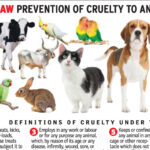
Animal cruelty can be defined as the intentional or neglectful infliction of suffering upon animals. This pernicious phenomenon encompasses a wide range of behaviors, from overt acts of abuse to more insidious forms of neglect. Understanding the meaning of animal cruelty necessitates a multi-faceted approach, considering legal, ethical, and cultural dimensions. Each perspective reveals intricate layers of societal attitudes toward animals, illuminating the often troubling relationship between humans and non-human animals.
Legal definitions of animal cruelty vary significantly across jurisdictions; however, they generally encompass two primary categories: acts of cruelty and failure to provide necessary care. The legal framework surrounding animal cruelty is grounded in animal welfare laws, which aim to safeguard animals from suffering. For instance, many jurisdictions classify animal cruelty as a criminal offense, subjecting offenders to fines or imprisonment. This legal structure not only endeavors to protect animals but also reflects society’s evolving moral perceptions regarding their treatment.
Moreover, legal statutes often categorize animal cruelty as either active or passive. Active cruelty involves direct actions intended to cause harm, such as beating, torturing, or killing an animal. Passive cruelty, conversely, may manifest as neglect, where an animal suffers due to a lack of adequate food, water, shelter, or medical care. This distinction is pivotal in understanding the broader implications of animal welfare legislation. In many regions, laws against passive cruelty are not as strictly enforced, which raises critical questions about societal values and responsibilities towards animals.
Exploring the ethical dimensions of animal cruelty introduces a deeper discourse regarding our moral obligations to non-human beings. Ethical theories provide frameworks for evaluating the treatment of animals. Utilitarianism, for example, posits that the best action is one that maximizes overall happiness. From this vantage point, inflicting harm on animals for trivial reasons—such as entertainment or product testing—becomes ethically untenable, as it causes unnecessary suffering without any compensatory benefit. Conversely, some ethical perspectives, such as anthropocentrism, prioritize human interests above all, justifying animal exploitation under the guise of progress and development. This clash of ethics shapes the ongoing debate on animal rights, with advocates arguing for inherent value in animal life, irrespective of their utility to humans.
Cultural perspectives on animal cruelty further complicate the issue. Different societies have varying beliefs and traditions that shape how animals are perceived and treated. In some cultures, animals are viewed as sacred and deserving of reverence; for instance, cows hold a special place in Hindu society, while in other cultures, animal slaughter for food is normalized and widely accepted. These cultural paradigms often dictate the extent to which animal cruelty is recognized and condemned. In certain regions, what may be considered cruel in one culture could be regarded as customary or acceptable in another.
This fascinating divergence in cultural attitudes toward animals is accompanied by a historical lens that reveals how views have evolved over time. For centuries, many societies have exploited animals for labor, sustenance, and entertainment without regard for their welfare. However, the 19th and 20th centuries marked pivotal shifts in these perceptions, driven by advocacy and activism. Landmark legislation, such as the Animal Welfare Act in the United States, emerged from growing social consciousness regarding the treatment of animals. As education and awareness spread, public sentiment increasingly aligned against animal cruelty, prompting a reevaluation of long-held practices.
Nevertheless, despite these advances, animal cruelty persists insidiously in various aspects of modern life. Factory farming practices, for instance, have drawn significant criticism for their inhumane treatment of livestock. Animals are often kept in confined spaces, deprived of natural behaviors, and subjected to painful procedures without adequate anesthetics. This industrialized approach to animal agriculture starkly contrasts with ethical principles advocating for humane treatment and welfare. The sheer scale of these operations raises concerns about not only the animals involved but also the broader implications for food systems and public health.
Moreover, entertainment industries often perpetuate animal cruelty in more overt ways. Circuses, zoos, and aquariums frequently showcase animals in unnatural environments, prioritizing profit over their welfare. The exploitative practices associated with these industries draw objections from animal rights activists, who argue that such entertainment comes at a significant ethical cost. Media representations often romanticize the relationship between humans and animals while glossing over the underlying issues of suffering and cruelty.
It is also worth noting that the digital age and social media have catalyzed discussions surrounding animal cruelty. With the proliferation of information, instances of animal abuse are more visible than ever, leading to public outrage and demands for accountability. Viral videos showcasing instances of neglect or cruelty evoke visceral responses, prompting many to take an active stand against such behavior. However, this visibility can sometimes lead to desensitization, with audiences becoming numb to the profusion of distressing content, rather than motivating tangible change.
Ultimately, the question of what constitutes animal cruelty transcends simplistic definitions; it is a complex interplay of legal stipulations, ethical dilemmas, and cultural narratives. The recognition of animals as sentient beings deserving of moral consideration is gaining traction, yet significant disparities remain in how animals are treated globally. A united effort toward greater awareness and legislative change is paramount in combating animal cruelty. Only by fostering a culture of compassion can we begin to fashion a more humane world where all beings are respected and cherished.