Animal cruelty in Ontario is a shadowy specter lurking beneath the surface of society, often hidden from the public eye yet hauntingly prevalent in various forms. It manifests as neglect, abuse, or exploitation, perpetuating an insidious cycle that harms not only the animals themselves but also the very fabric of the community. To understand the scope of this issue, one must first delve deep into the definitions and examples provided by organizations such as the Ontario Society for the Prevention of Cruelty to Animals (SPCA).
At its core, animal cruelty comprises acts of malice or negligence directed towards animals. It is a violation of the innate rights these sentient beings hold. The spectrum of cruelty ranges wildly—at one end lies deliberate abuse, inflicted with conscious intent, while at the other, one finds negligence, characterized by a lack of appropriate care, often stemming from ignorance or socioeconomic hardship. It is essential to recognize that both extremes contribute to the same ultimate tragedy.
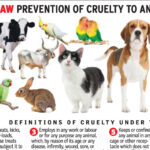
In Ontario, the Criminal Code explicitly identifies animal cruelty, articulated in various statutes designed to protect animals. The term encompasses a broad array of actions: physical harm, psychological abuse, and deprivation of essential needs. The ethereal bond between humans and animals is tested when individuals exploit this power dynamic for personal gain or unspeakable enjoyment. The SPCA defines this cruelty not merely as acts of violence but also as a failure to provide the basic necessities for a creature’s well-being, such as proper shelter, food, and medical care.
Consider the poignant example of animal neglect, often overshadowed by the more sensational stories of physical abuse. Neglect can take many forms—an unkempt yard overflowing with refuse, an abandoned dog tethered to a chain, or a cat left to fend for itself in a harsh winter. These images evoke the profound tragedy that unfolds within the mundane. It resembles a constellation of stars, each representing an animal’s plight, visible only to those who are willing to look closely. Each neglected animal narrates a silent story of suffering and abandonment, a poignant reminder of the fragility of life.
Encompassed within the realm of cruelty are those acts which may not appear overtly violent yet carry significant psychological ramifications. The emotional deprivation endured by animals confined in cages or left unloved is akin to an imprisonment of the soul. Imagine a spirited dog, once vibrant and full of life, now reduced to a mere shadow of its former self—a living embodiment of despair, longing for companionship and warmth that negligence cruelly denies. It is this quiet yet profound suffering that underscores the paramount importance of vigilance and advocacy against animal cruelty.
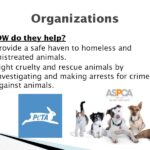
The enforcement of animal welfare laws is a complex tapestry interwoven with challenges. The SPCA plays a pivotal role in investigating allegations of abuse, and in educating the public about the responsibilities associated with pet ownership. However, these efforts often collide with individual beliefs about animal rights and ownership. The ethical quandaries that arise from these intersections resemble a double-edged sword that leaves many feeling torn between personal freedoms and the humane treatment of creatures unable to speak for themselves.
Public awareness campaigns serve as a catalyst for change. The SPCA runs programs focused on educating the community about proper care techniques, promoting spaying and neutering, and elucidating the emotional and psychological needs of different species. Such initiatives act as a beacon of hope—a lighthouse illuminating the treacherous waters of ignorance and apathy that often shroud animal welfare issues. By fostering empathy, communities can begin to dismantle the walls of cruelty that have long stood unchallenged.
Moreover, the collaboration between governmental bodies, law enforcement, and nonprofit organizations creates a synergetic approach towards tackling animal cruelty. This multifaceted alliance functions as a robust fortress, fortified against the tide of apathy and ignorance. It is a reminder that the responsibility to protect these voiceless beings transcends individual boundaries. As community members unite, the fight against cruelty transforms into a collective ethos, weaving itself into the cultural conscience.
The SPCA also highlights the effects of animal cruelty on broader societal issues. Psychological studies have illustrated connections between animal abuse and domestic violence; those who maltreat animals are sometimes predisposed to inflict harm upon human victims. This interconnection serves as a clarion call, urging society to scrutinize the treatment of animals not solely as an ethical obligation but as a harbinger for the overall health and safety of the community.
In summation, animal cruelty in Ontario, as delineated by the SPCA, is a complex issue that permeates various layers of societal interactions. While the visible abuse captures considerable attention, it is essential to acknowledge the quieter, yet equally devastating forms of neglect and psychological suffering. Through education, advocacy, and community collaboration, the specter of animal cruelty can be diminished. By fostering empathy and illuminating the plight of the voiceless, society not only champions the rights of animals but also elevates its moral standing.
As we stride forward, let us remember that the echo of our actions resonates not only within the confines of human society but also in the hearts of the animals who share our world. To act against cruelty and advocate for the innocent speaks to the very essence of our humanity—a testament to our ability to care, to nurture, and to protect.