When we think about our relationship with pets or wildlife, it’s difficult to imagine how anyone could intentionally cause them harm. Yet, animal cruelty persists across the globe, prompting the need for legal definitions and protections. What does animal cruelty mean in the eyes of the law? This inquiry leads us down a complex path through various jurisdictions, each with its own nuances and interpretations of what constitutes an offense. While one might ponder, “Is my understanding of animal welfare aligned with legal standards, or is there a disconnect?” the stark reality is that animal rights vary significantly from one location to another.
Many countries, states, and localities implement specific laws designed to protect animals, but the definitions of cruelty can differ broadly. Reviewing these legal standards casts light on societal values and challenges regarding the treatment of animals. In general, animal cruelty can be categorized into two types: active cruelty, which encompasses intentional acts that cause suffering or harm to animals, and passive cruelty, which relates to neglect or failure to provide necessary care.
In the United States, individual states legislate animal cruelty laws. There is a foundational federal law, the Animal Welfare Act (AWA), but it primarily addresses the care and treatment of animals in research, exhibition, and transportation. Some states have taken bold strides, enacting more robust laws against cruelty, often defined as causing unnecessary suffering or pain. However, the enforcement of these laws varies.
For instance, in California, the state’s penal code gives a clear definition of animal cruelty: it is illegal to maliciously and intentionally harm any animal. Furthermore, the state acknowledges both active and passive cruelty, thereby placing a legal obligation on caretakers to maintain the welfare of their pets, which includes providing food, water, and medical care. Conversely, in places with less stringent laws, the penalties may not involve imprisonment, but rather fines.
By examining the legal landscape, one encounters various trends in animal cruelty definitions. In many European countries, strict laws embody a deeply rooted cultural ethos toward animal protection. For instance, Germany’s Animal Welfare Act prioritizes the welfare of animals, necessitating not just the absence of pain but also mental well-being. It demands that any act involving an animal must avoid causing psychological distress—a standard reflecting an evolved understanding of animal sentience.
While some nations embrace a comprehensive approach to animal welfare, others lag significantly. In China, historical depictions of animals have often been linked with utilitarian perspectives rather than welfare. Legal definitions can be insufficient, contingent upon local context and traditional beliefs. However, recent progress is evident. The increased visibility of animal welfare campaigns has ignited conversations around potential legal reforms. The question remains: how can advocacy groups effectively bridge the gap between cultural perceptions and legal reform in such places?
Across the globe, animal welfare definitions also intersect with industrial practices. The rise of factory farming has prompted scrutiny. In nations like Brazil, where agricultural practices are central to the economy, animal cruelty laws grapple with the tension between economic interests and ethical considerations. The legal apparatus often lags behind societal shifts advocating for animal rights. Activists confront formidable obstacles as they aim to enforce regulations that would offer meaningful protections to animals raised for food.
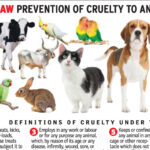
In countries like India, the Prevention of Cruelty to Animals Act (PCA) offers another lens through which animal cruelty is defined. The PCA not only criminalizes unjustifiable pain and suffering but also advocates for the humane treatment of animals. Nevertheless, enforcement can be sporadic, with cultural attitudes often portrayed as ambivalent toward the plight of non-human beings. How do such disparities in enforcement shape public consciousness about animal rights?
The contrasting frameworks around animal cruelty raise pivotal questions about broader societal priorities. Will societies willingly evolve to acknowledge the increasing evidence of animals’ emotional lives and intelligence? The law can serve as a reflection of society’s ethical commitments. In many regions, however, there appears to be a disjunction between what is espoused in legal texts and what is practiced in everyday life.
As we navigate these complex legal definitions of animal cruelty, it is paramount to recognize that legislation alone will not suffice. Public awareness and advocacy play pivotal roles in reforming attitudes toward animal welfare. Fostering an understanding of why cruelty and neglect are unconscionable will galvanize public sentiment and, in turn, influence legislative changes. The challenge lies in effectively mobilizing grassroots efforts while also exerting pressure on legislative bodies to enact comprehensive laws that protect animals on a broader scale.
Ultimately, defining animal cruelty in legal terms is a reflection of humanity’s ongoing struggle with ethical considerations surrounding our treatment of fellow sentient beings. While definitions abound, the moral imperative remains clear: it is our enduring responsibility to challenge cruelty in all its forms. By promoting awareness and investigating the depths of our legal frameworks, we can strive for a future where protections for animals are unwavering and comprehensive, fostering cultures of compassion globally.