In the intricate tapestry of our society, the threads of compassion and responsibility intertwine, binding us to those who cannot voice their pain. Among these poignant connections lies the grim concept of animal cruelty. While the term may elicit visceral reactions, the legal framework surrounding it, especially its various degrees, shapes our understanding and societal response. One area of particular focus is that of 2nd degree animal cruelty—a designation that elucidates a profound breach of ethical obligations towards sentient beings.
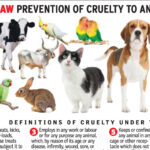
So, what exactly does 2nd degree animal cruelty entail? This legal classification typically refers to acts of cruelty that cause harm or suffering to animals, but fall short of the most malicious intent or extreme actions that would categorize them under 1st degree cruelty. The distinction hinges upon the severity of the acts and the intent behind them. In many jurisdictions, 2nd degree cruelty encompasses behaviors such as neglect, abandonment, or non-fatal physical abuse, presenting a complex mosaic of human culpability and animal suffering.
To fully grasp the implications of 2nd degree animal cruelty, it helps to visualize the circumstances under which these acts unfold. Imagine a once-thriving garden wilting under neglect—this represents the plight of countless animals subjected to 2nd degree cruelty. Their needs for shelter, nutrition, and companionship are disregarded, leading to slow deterioration of their well-being. Such neglect, though perhaps less overtly destructive than the violent acts that define 1st degree cruelty, carries profound consequences for the affected animals, who experience lengthy bouts of suffering.
The legal ramifications tied to 2nd degree animal cruelty charges can vary significantly across states. In some areas, these charges may be classified as misdemeanors, while in others, they could rise to felony status, particularly when the neglect or abuse leads to substantial harm or death. This disparity serves as a reminder of the evolving nature of animal rights and the ongoing quest for comprehensive legislation that uniformly protects all creatures.
When one is charged with 2nd degree animal cruelty, the repercussions extend beyond mere fines or imprisonment. Offenders may be subjected to mandatory community service, mandated counseling, and an array of fines aimed at deterring future cruelty. The collateral damage of such charges can permeate an individual’s life, affecting employment prospects and personal relationships, marring reputations like a persistent shadow. Society does not merely extend its punitive hand to the perpetrators; rather, it also fosters a culture of accountability and encourages communal vigilance against cruelty.
Moreover, the consequences of 2nd degree animal cruelty ripple through the community like a stone cast into still water. Each abusive act sends out concentric circles of pain and repercussions, affecting not only the animals directly involved but also their human caretakers, families, and bystanders. When animals are neglected, it reflects broader societal attitudes towards responsibility and empathy—issues that transcend species and echo in the halls of human morality.
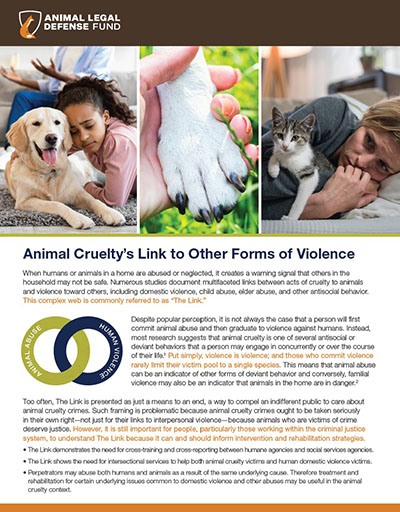
Additionally, it is crucial to address the psychological undertones associated with 2nd degree animal cruelty. Individuals who engage in neglectful behaviors often exhibit patterns of emotional disconnect, perhaps stemming from traumas or adverse experiences. This correlation reveals an uncomfortable truth: the act of neglecting an animal may mirror an individual’s struggle with empathy—an echo of their unprocessed pain. This aspect highlights the need for not only punitive measures but also rehabilitative support to break the cycle of cruelty and foster healing.
As we delve deeper into the ramifications of 2nd degree animal cruelty, it becomes imperative to consider how prevention can play a critical role in mitigating such acts. Educational initiatives aimed at promoting empathy towards all living beings, alongside community outreach and resources for pet owners in distress, can forge pathways to compassion. Organizations may foster programs that help families facing financial hardships maintain their pets, thereby legitimizing the social bond that connects humans and animals.
At the heart of combating 2nd degree animal cruelty lies the principle of interconnectedness. Just as a vibrant ecosystem thrives on the balance of its elements, so too does our moral fabric require the careful nurturing of empathy and responsibility. Individuals, communities, and legislative bodies must unite in a commitment to recognizing the rights of animals and addressing the underlying causes of cruelty.
In conclusion, 2nd degree animal cruelty embodies a multifaceted issue that intertwines legal, psychological, and societal dimensions. Its consequences extend far beyond the immediate act, reverberating throughout our communities and demanding our attention. As custodians of the exquisite diversity of life, we must strive to cultivate an environment where all creatures are afforded dignity and protection. Through understanding, advocacy, and action, we can weave a new narrative—one that truly reflects our capacity for compassion and reverence for the lives of every being that shares our world.