Animal cruelty has long been a contentious topic, evoking strong emotions and fervent activism from various corners of society. The landscape of animal welfare legislation has shifted dramatically over the years, and one particular moment in recent history stands out: the federal animal cruelty bill signed into law under the Trump administration. However, this action did not occur in a vacuum, nor did it resolve all the questions surrounding animal welfare within the political arena. As we delve into the intricacies of this issue, it becomes evident that the elimination of certain regulations, alongside the introduction of new laws, paints a broader picture of the political dynamics at play regarding animal cruelty.
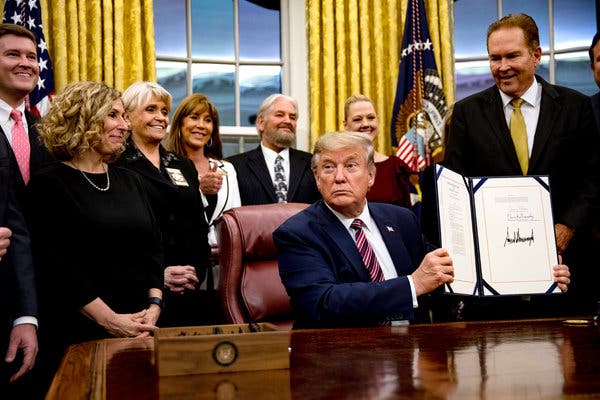
On November 25, 2019, President Donald Trump signed the Preventing Animal Cruelty and Torture (PACT) Act into law. This landmark legislation made it a federal crime to engage in extreme acts of animal cruelty, including crushing, burning, drowning, suffocating, and other forms of heinous brutality. Advocates for animal rights rejoiced, viewing this as a pivotal move towards greater protections for animals. However, beneath this facade of progress lies a multitude of complexities and contradictions inherent in the political framework surrounding animal rights.
Despite the passage of the PACT Act, many individuals question what Donald Trump and his administration eliminated concerning animal cruelty enforcement. Notably, the administration had previously rolled back protections that affected wildlife and domestic animals. One significant area of concern arose with the repeal of the Obama-era regulations prohibiting the sale of certain endangered species, alongside efforts to diminish the scope of the Animal Welfare Act (AWA). Diminutions in funding for wildlife preservation programs indicated a troubling trend, potentially exacerbating the plight of animals reliant on governmental intervention to safeguard their habitats. Thus, while new laws may emerge, the overarching reduction in funding and commitment to animal welfare initiatives under the Trump era warrants critical examination.
Furthermore, the Trump administration’s stance on issues such as factory farming and pet breeding broached a voyeuristic tension within the political sphere. The relaxation of regulations regarding agricultural operations enabled an environment that arguably favored corporate entities over the welfare of animals. The heightened attention given to meat production industries emphasized economic growth at the expense of ethical considerations, illuminating the uncomfortable reality of a political system often driven by profit rather than compassion. These juxtaposing narratives beg the question: has the administration truly championed animal rights or merely curated a façade of concern?
The question of interest is not solely limited to the enactment of laws but extends to the perception and representation of animals in political discourse. Within this domain, animals are often framed as either commodities or companions, a dichotomy that profoundly influences policy-making. The portrayal of animals as political tools for advancing specific agendas can distract from the genuine need for systemic change in how society interacts with non-human life. This realization amplifies the concerns over the efficacy of reforms like the PACT Act, which, while significant, may risk overshadowing the need for comprehensive strategies that encompass the multifaceted nature of animal welfare.
Another observation revolves around the political undercurrents connecting voter blocs and animal rights rhetoric. The intersection of animal welfare and political affiliation has been historically contentious, revealing a landscape awash with differing ideologies. Right-leaning constituents often prioritize agricultural economics and traditional hunting practices over what they may perceive as an overly progressive agenda. On the other hand, progressive factions tend to advocate for a more encompassing reform that addresses the ethical implications of all forms of animal exploitation. This ideological divide fosters dichotomies that perpetuate a cycle of misunderstanding, complicating bipartisanship efforts in animal welfare legislation.
This polarized atmosphere also brings to light a troubling trend of commodification within activist circles. In positioning certain animal advocacy efforts as trending topics or morally superior movements, organizations risk diluting the urgency of the issues at hand. Activism should strive not to adopt a performative stance but rather to embody the very essence of compassion and advocacy for the voiceless. As the political tableau evolves, the necessity for genuine, heartfelt advocacy remains paramount, for without it, the risk of trivializing the issues surrounding animal cruelty persists.
Examining the trajectory of animal cruelty legislation under the Trump administration unveils an intricate web of societal, economic, and ethical considerations. It reveals that while progress in some segments may be tangible, it is simultaneously underpinned by substantial losses and challenges in others. The PACT Act stands as a testament to the potential for legislative action at a federal level, yet it simultaneously magnifies the need for vigilance and comprehensive policy frameworks that address the root causes of animal cruelty and exploitation.
In conclusion, understanding what Donald Trump eliminated regarding animal cruelty demands more than a cursory glance at legislation; it implores us to investigate the broader ramifications of political decisions. The fight against animal cruelty is not waning, but rather evolving, challenging advocates to adapt their strategies in a constantly changing landscape. It calls for a resolute commitment not only to safeguard animals through legislative action but to intertwine compassion deeply into the societal fabric, ensuring a future where animals can thrive free from the shadows of cruelty.