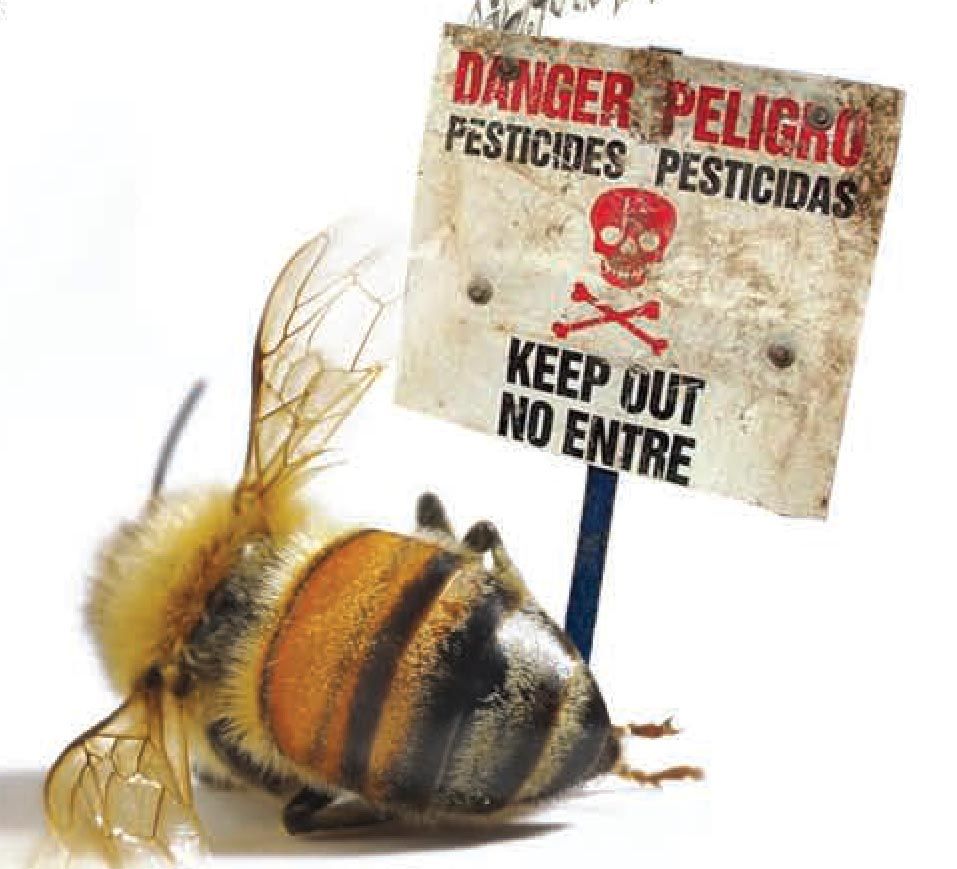
As we navigate the intricacies of our ecosystem, a contentious issue arises: is killing insects tantamount to animal cruelty? This question provokes a deeper examination of insect sentience, blurring the lines between what we consider sentient beings and those we dismiss as mere nuisances. The juxtaposition of human morality and biological reality invites both philosophical speculation and scientific inquiry.
The notion of sentience—that is, the capacity to experience sensations such as pain, pleasure, and emotions—has historically been reserved for mammals and birds. Yet, recent scientific explorations into the neural architecture of insects challenge this anthropocentric perspective. Insects are equipped with sophisticated nervous systems, and some researchers argue that their behaviors indicate a form of consciousness. Can we truly dismiss their frequent struggles and apparent distress as mere instinctual responses devoid of any emotional complexity?
To embark on this inquiry, we must first delineate what constitutes animal cruelty. Traditionally, animal cruelty involves the infliction of unnecessary suffering upon sentient creatures. This definition raises the fundamental question: do insects experience suffering similarly to more commonly accepted forms of animal life? Recent studies insinuate that insects can feel pain. The discovery of nociceptors—nerve endings that respond to harmful stimuli—in insect species asserts a biological basis for their potential sufferance.
Understanding the intricacy of insect behavior is vital for evaluating their levels of sentience. Observations of social insects, such as ants and bees, reveal complex decision-making processes and forms of communication that are reminiscent of higher-order thinking. Ants forage collectively, negotiating pathways based on pheromone trails and cooperative strategies. One might argue: does such coordination indicate a primitive intelligence that merits ethical consideration?
Moreover, recent studies have illustrated that bees can recognize faces, engage in symbolic communication, and even perform arithmetic tasks. The implications are profound. If these creatures exhibit cognitive traits we once attributed solely to higher animals, does it become morally indefensible to kill them casually? The emotional weight of these questions prompts a reevaluation of our relationship with insect populations.
Skeptics may counter that insects are vastly different from mammals and birds, thus necessitating a different ethical framework when considering their treatment. They might assert that the sheer number of insects, with an estimated 10 quintillion living at any given time, invalidates the notion that we should apply similar moral standards as we do to larger sentient beings. However, this stance risks diminishing the intrinsic value of individual lives regardless of species.
Intriguingly, research into insect cognition suggests that they may indeed suffer. Lab experiments demonstrate that fruit flies exhibit signs of stress when exposed to aversive stimuli, compelling us to ponder whether pain is a universal experience tied to survival. This revelation propels the discussion towards the significance of empathy. We are challenged to extend our circle of compassion; if pain registers among insects, why should our capacity for empathy remain restricted?
Creating an ethical framework for our interactions with insects necessitates introspection. Are we comfortable with the idea that our desire to eliminate pests could be seen as cruelty? Engaging in this dialogue is not merely philosophical; it bears direct implications for agricultural practices and pest control. With pesticides wreaking havoc on bee populations, the stakes are alarmingly high. Given their critical role in pollination and ecosystem balance, how do we justify measures that contribute to their demise?
The challenge then arises: How do we coexist with insects without inflicting harm? Innovative agricultural practices, such as integrated pest management (IPM), advocate for sustainable approaches that minimize collateral damage. Such methodologies prioritize biodiversity while managing pest populations in a manner that is ecologically responsible, thus hinting at a way forward.
Furthermore, we can foster an environment that encourages the coexistence of humans and insects. Gardens can be designed with native plants that attract beneficial species, while also providing sanctuary for pollinators. Rather than kill, we can observe, understand, and appreciate the pivotal roles insects play within our ecosystems. The plight of insects poses an invitation to reflect on our relationship with the natural world, urging us to rethink our perceptions of value and worth.
Ultimately, our investigation into insect sentience beckons us to reevaluate our ethical obligations. If the evidence alludes to the existence of insect pain and suffering, then addressing these concerns leads us on a path of moral growth. The breadth of our empathic capacities can expand beyond conventional boundaries, compelling us to protect not just the charismatic megafauna but also the oft-ignored inhabitants of the insect realm.
In conclusion, while killing insects may not fit neatly within traditional paradigms of animal cruelty, the scientific evidence pushes us to reconsider our assumptions. As we glean insights into the fascinating lives of these small creatures, we confront the challenge of empathy—a challenge that may very well define the relationship between humanity and all sentient beings. The question remains: can we learn to coexist harmoniously with insects, acknowledging their complexity and embracing them as integral parts of our ecosystem?