In the vast landscape of scientific inquiry, the role of test animals, particularly rats, has become a subject of deep ethical scrutiny. As society strides forward, the question lingers: is keeping test animals like rats considered animal cruelty? To navigate this quagmire, one must delve into the juxtaposition of scientific progress and ethical responsibility.
Rats, often vilified as mere vermin, embody a paradox of existence. These clever, social creatures share a significant percentage of their genetics with humans, making them an invaluable resource in research. In laboratories, they are employed to ascertain the safety and efficacy of pharmaceuticals, study the etiology of diseases, and even unravel the complexities of neurological disorders. However, this utility raises an ethical dilemma: at what cost does such knowledge come? Are we sacrificing sentient beings on the altar of scientific advancement?
Animal testing, particularly involving rats and mice, has been likened to a double-edged sword. On one side lies the promise of medical breakthroughs that have propelled humanity forward; on the other side is the specter of suffering endured by test subjects. Those who defend animal testing argue that it is a necessary evil, equipping researchers with critical insights that could benefit countless lives. Yet, this perspective often belies the complexities of animal sentience and suffering.
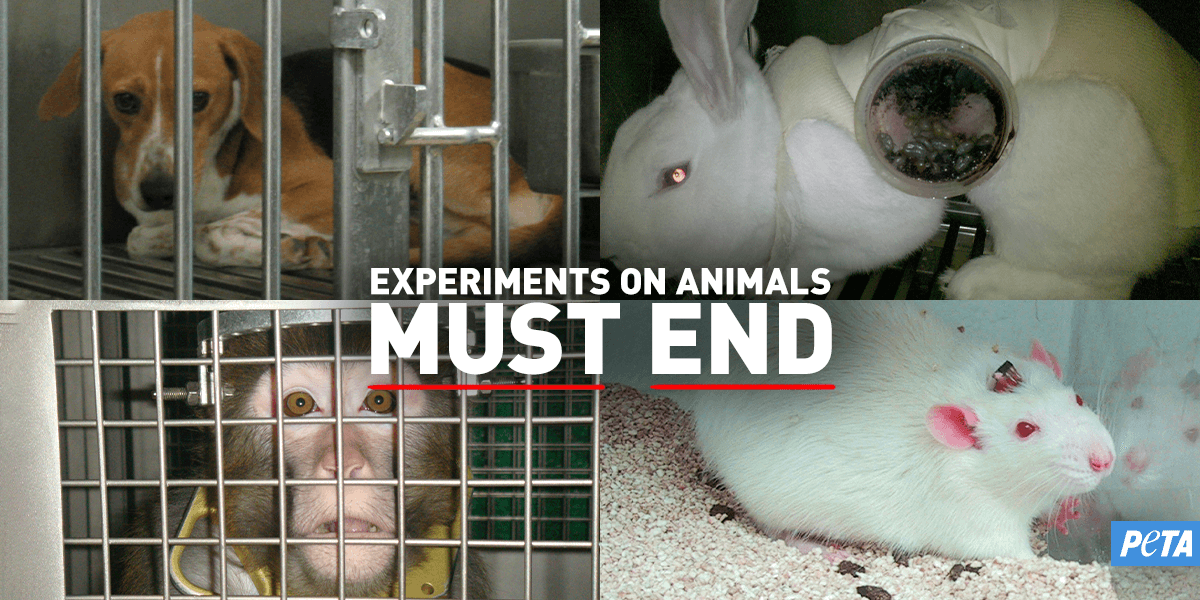
Picture a laboratory: sterile, bright, and clinical, where rows of cages line the walls like a gallery of poignant despair. Within each cage resides a rat—an innocent entity caught in the throes of human ambition. To the untrained eye, these rats might appear to be mere tools, yet beneath their fur lies a depth of emotion and awareness. Rats display behaviors indicative of joy, fear, and even empathy. When one rat is distressed, others offer comfort; they form social bonds akin to those seen in primate species. It is this rich tapestry of social interaction that poses fundamental questions regarding their treatment as research subjects.
The crux of the debate hinges on the definition of animal cruelty. Animal cruelty typically encompasses acts that cause unnecessary suffering or harm to sentient beings. Advocates against animal testing contend that keeping rats in laboratory conditions inflicts emotional and physical distress, thus categorizing it as a form of cruelty. The confinement, isolation, and invasive procedures that these animals endure can lead to heightened levels of stress and psychological trauma. It is here that the lines blur: while scientific milestones are commendable, they should not emerge from a wellspring of suffering.
Furthermore, advancements in technology and methodology underscore the evolving nature of scientific inquiry. The advent of in vitro testing, computer modeling, and alternative research methodologies presents viable alternatives to the use of live animals. These innovative techniques not only mitigate ethical concerns but also enhance the reliability of data. The reliance on rats for testing may soon become an anachronism, reminiscent of bygone eras marked by moral insensitivity.
Conversely, proponents of animal testing suggest that without the use of test animals, many of today’s medical marvels might never have seen the light of day. Vaccines, cancer treatments, and surgical techniques have all been honed through animal trials. This argument reverberates, appealing to the sensibilities of those who value human life. However, it is vital to scrutinize whether such claims justify the ethical costs borne by test animals. If we pause and consider the lives sacrificed in the hunt for human health, the lens through which we view animal testing should become increasingly critical.
Rats find themselves within a landscape marred by paradoxes. They are often viewed as pests, yet also as vital contributors to human health. The dichotomy fosters an unsettling reality where their existence hinges on human whim and necessity. It compels society to confront uncomfortable truths: at what point does the pursuit of knowledge transmute into ethical transgression? This critical interrogation of values offers no easy answers but necessitates a relentless examination of our current practices.
As we traverse this ethical minefield, it is paramount to acknowledge the voices of those advocating for test animals. Organizations championing animal rights provide a platform for the voiceless, urging a reevaluation of the moral frameworks that govern animal research. Their perspectives advocate for compassion, empathy, and a paradigm shift in how society views non-human animals. Emphasizing kindness over convenience, they illuminate the path toward a future where science and ethics coalesce harmoniously.
In summary, the contention surrounding the treatment of rats in scientific testing encapsulates broader ethical imperatives. While the allure of scientific progress is palpable, it must not eclipse the intrinsic rights of sentient beings. The moral cost of retaining rats as test subjects is an existential question that demands collective introspection. As the world moves forward, perhaps the question should not be solely about the necessity of animal testing but also about our responsibility to uphold the dignity of all creatures, steering humanity toward innovation that respects life in all its forms.
In conclusion, as stewards of the planet, the obligation to forge a path that transcends mere utility emerges clearer than ever. The dialogue surrounding animal testing must evolve, championing alternatives that honor both scientific inquiry and ethical integrity. It is through this prism of compassion that a new era can dawn—one where the intrinsic value of every living being is acknowledged, respected, and protected.