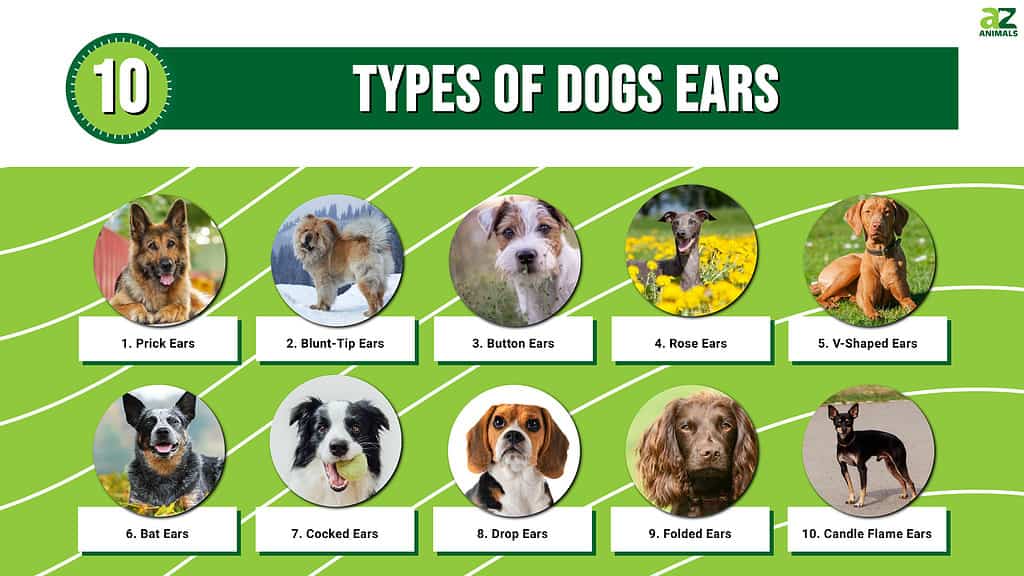
Ear cutting, also known as ear cropping, is a controversial practice that dates back centuries, steeped in tradition and often associated with certain dog breeds. To many, it is a rite of passage—a hallmark of breed standard. Others vehemently oppose it, branding it as a form of animal cruelty. This intricate tapestry of tradition, aesthetics, and ethics begs the question: Is ear cutting a form of animal cruelty or merely a standard practice in the realm of breeding?
Ear cropping involves the surgical alteration of a dog’s ears, often undertaken when the dog is a few weeks old. The intention behind this procedure is steeped in a variety of motivations—some being rooted in function, and others purely aesthetic. Historically, it was believed that erect ears could enhance a dog’s hearing capabilities and protect against injury in the field. Yet, in modern contexts, this justification seems tenuous at best. Many breeds, such as Doberman Pinschers and Boxers, have been associated with cropped ears, enabling them to fit a particular aesthetic dictated by breed standards.
For proponents of ear cropping, the argument often hinges on tradition and the desire to conform to established breed standards set forth by kennel clubs and breed organizations. Aesthetic considerations take center stage; youthful dogs with cropped ears are frequently sought after by enthusiasts who believe this enhances their breed’s appearance. However, one must pose a challenging question: are aesthetics worth the pain inflicted upon an animal during this procedure?
Critics of ear cropping argue that the practice is inherently cruel. The procedure is performed under anesthesia, yet it results in significant pain and discomfort post-surgery. The dog’s ears are not merely altered; they are subjected to a form of mutilation, often requiring extensive aftercare. Some dogs exhibit signs of distress throughout their recovery, but the pain does not end there. Bandaging, taping, and monitoring for infections become part of a regimen that could span weeks. This raises a critical ethical dilemma: is subjecting an animal to such suffering justified by aesthetic norms or the desire to conform to breed standards?
Moreover, the concept of breed standards has evolved over time, reflecting societal shifts in values regarding animal welfare. In several countries, including those in Europe, ear cropping has been banned entirely, deemed an unnecessary procedure that violates animal rights. Advocates for humane treatment argue that the natural state of an animal should be preserved, promoting the idea that breeds can thrive and exist without modifications such as ear cropping.
Yet, the debate does not end with the mere classification of ear cropping as either a necessity or a cruelty. The nuances of context and individual circumstances complicate the conversation further. For instance, some owners may view ear cropping as a cultural tradition passed down through generations, integral to their identity as dog owners. This introduces a cultural dimension that merits consideration, as discussions surrounding animal rights often intersect with human traditions and heritage.
In exploring the ramifications of ear cutting, one must also consider the psychological impact on animals. Research indicates that the emotional and psychological well-being of pets can significantly affect their behavior and interactions with humans. Given that alterations to physical states might influence these factors, can one truly justify ear cropping as a benign practice? Or does it inflict a lingering sense of distress that manifests in behavioral issues such as anxiety or aggression?
As society continues to evolve, an increasing number of advocates champion for the rights of animals, pushing against long-held traditions that have become synonymous with cruelty. This shift towards more compassionate treatment aligns with broader movements advocating for the humane treatment of all living creatures. In effect, this cultural transformation calls into question the validity of traditions such as ear cropping. Can we ethically reconcile our desire for breed standards with the fundamental rights of animals?
Further complicating this issue is the perspective of breeders. Many cite the importance of adhering to breed standards established by reputable organizations. They argue that these standards serve as a benchmark for the health and integrity of each breed. However, does this perceived necessity overshadow the ethical considerations related to the well-being of the animal? Many dogs today are bred specifically for companionship rather than for work, leading to the argument that modifications such as ear cropping may be outdated.
As we navigate this complex landscape, it is essential to consider alternative approaches. For instance, many breeds can flourish without these painful modifications, and education surrounding these alternatives can help modify public perceptions. Promoting a cultural shift that values the dog’s natural anatomy not only aligns with humane principles but also encourages responsible breeding practices that prioritize the animal’s health and well-being.
Ultimately, the discussion surrounding ear cutting is multi-faceted, raising poignant questions about tradition, aesthetics, and ethics. In an increasingly conscientious world, it becomes crucial to weigh the value of a dog’s inherent rights against the pressures of conformity to aesthetic standards. The dialogue surrounding ear cropping serves as a catalyst for broader conversations about animal rights, prompting us to reevaluate our definitions of cruelty and tradition. In a world that is continuously evolving, should we not hold ourselves accountable to a more compassionate vision for all sentient beings?