In an era dominated by aesthetic considerations and societal pressures, the act of dyeing a pet’s fur has beckoned attention and debate. Many pet owners, enamored by the allure of vibrant colors and whimsical designs, may overlook the potential ramifications that such beautification could entail. The question lies beneath the swirling colors: is dyeing your pet’s hair a form of animal cruelty, or is it merely an innocent expression of beauty? This exploration delves into the intricacies of this dilemma, examining both the motivations behind dyeing and the implications it harbors on animal welfare.
To frame the discussion, it is crucial to delineate what constitutes animal cruelty in the context of aesthetic alterations. According to numerous animal welfare organizations, cruelty encompasses any action that causes unnecessary suffering or harm to an animal. This includes actions arising from ignorance, negligence, or blatant disregard for an animal’s well-being. Therefore, engaging in practices like dyeing a pet’s fur necessitates an introspective examination of the products employed, the physical and psychological responses elicited from the animal, and the ethical considerations involved.
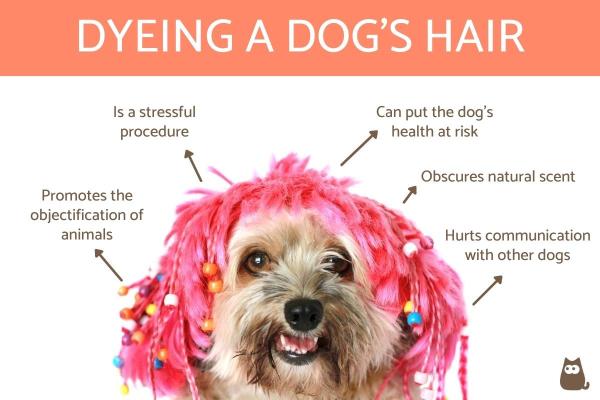
Initially, one must scrutinize the products utilized for dyeing an animal’s fur. Many commercially available dyes contain harsh chemicals that can be detrimental to a pet’s health. Substances such as ammonia, hydrogen peroxide, and artificial colorants often feature prominently in these formulations. When applied, these toxins can cause skin irritations, allergic reactions, and even systemic toxicity in severe cases. The epidermis of a dog or cat differs from human skin, being far more sensitive. This essential biological fact underpins the argument against the use of human-grade hair dyes on animals, leading to the conclusion that the potential for harm is significant, rendering such practices potentially harmful and, consequently, borderline cruel.
Aside from the physical ramifications, there are also psychological elements to consider. Dogs and cats are sentient beings capable of experiencing stress, anxiety, and discomfort. The process of dyeing, which often involves bathing, drying, and applying products, may induce considerable discomfort. Many animals resist restraint, and the overall disturbance to their routine can lead to psychological distress. This is particularly true for those pets that are not accustomed to invasive grooming practices or those that exhibit heightened sensitivity. In such light, one must consider whether the pursuit of an aesthetic ideal is worth the potential psychological toll on one’s pet. The question, then, becomes not just about aesthetics, but about the respect and empathy we owe to our animal companions.
Furthermore, societal influences play an undeniable role in the trend of dyeing pets. Social media, particularly platforms such as Instagram and TikTok, underscore the cultural phenomenon where photogenic pets garner likes and attention through their vibrant appearances. However, this trend raises significant ethical concerns. The desire for viral fame often overshadows the responsibility pet owners have to ensure the safety and well-being of their companions. When an animal is subjected to alterations purely for human gratification, the ethicality of such actions comes into question. The need for validation through our pets’ appearance can perpetuate harmful practices that compromise their health and welfare.
In exploring the ethical implications, it is vital to consider alternative forms of canine and feline expression that do not involve any risk to their health and well-being. Beyond dyeing, pet fashion has evolved to include a plethora of accessories that enhance a pet’s appearance without compromising their safety. Items such as colorful collars, bandanas, and themed outfits can achieve a visual appeal while ensuring the pet remains comfortable. This solution embraces creativity without the ethical quandaries associated with dyeing, allowing owners to showcase their pets while minimizing risks.
Moreover, education plays a pivotal role in reshaping perceptions regarding pet alteration practices. By promoting awareness about the physiological and psychological implications of dyeing fur, one may foster a more compassionate approach to pet care. Understanding that our pets are not mere canvases for artistic expression can lead us to view them through a lens of respect and love. Pet owners have the power to influence their communities by initiating discussions that prioritize animal welfare over superficial appearances. Simple actions, such as advocating for cruelty-free pet products and supporting the adoption of animals from shelters rather than reproducing aesthetic commodities, can effectuate significant shifts in societal attitudes.
The juxtaposition of beauty and harm is emblematic of the larger debate regarding animal rights and human aesthetics. In our quest for beauty, we must remain vigilant in safeguarding the well-being of our four-legged companions. Responsible pet ownership requires an unwavering commitment to understanding the needs, limitations, and welfare of our pets. In navigating this dynamic relationship, one must continually assess the intentions behind aesthetic choices—are they made out of love, or are they a self-serving quest for approval?
As we collectively ponder the distinction between beauty and harm, the essence of pet ownership should echo a profound respect for life in all its forms. When we prioritize the welfare of our pets above societal whims, we not only foster a more compassionate relationship with them but also contribute to a culture that values empathy over aesthetics. Ultimately, the decision to dye a pet’s hair transcends mere vanity; it scrutinizes our ethical frameworks and attitudes toward those who rely on us for care and protection. It is a clarion call for compassion in a world eager to sacrifice authenticity for decorative allure.