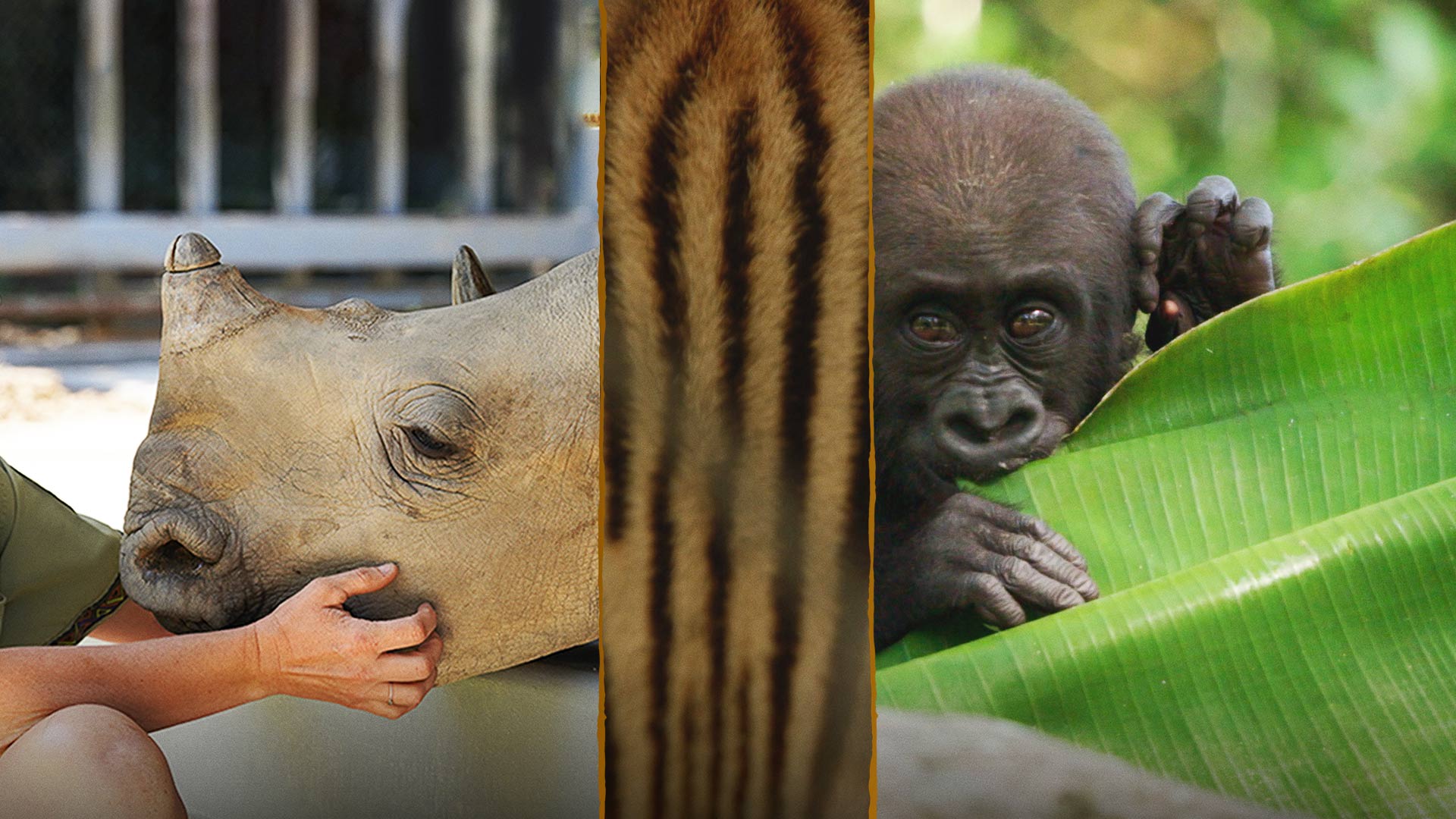
Disney’s Animal Kingdom is often regarded as a marvel of imaginative design and biodiversity conservation. Yet, as an entity within the broader spectrum of animal-themed amusement parks, it raises challenging questions. Is the magic they portray merely a façade that obscures potential animal cruelty? To dissect this inquiry, we must delve into the various dimensions that define the experience within this renowned institution.
The park boasts a lush environment that mimics the animals’ natural habitats. From the sweeping vistas of the savannah to the dense forests filled with exotic flora, the visual design is undeniably stunning. But the question of whether such an environment can truly meet the intrinsic needs of its inhabitants is pertinent. Various animal rights advocates argue that, despite appearances, life in a theme park setting cannot replicate the vastness and autonomy of the wild.
One significant aspect to consider is the species diversity within the park. Disney’s Animal Kingdom houses over 1,700 animals, representing approximately 250 species. For many of these creatures, the shift from their natural ecosystems into a controlled environment can be jarring. Natural instincts, such as foraging or roaming great distances, are not entirely satiated, raising ethical concerns regarding their psychological well-being.
The enclosures themselves deserve examination. While many enclosures are designed to simulate natural settings in an effort to prioritize animal welfare, the reality may differ for the animals. Limited space can lead to patterns of abnormal behavior, known as stereotypies, wherein animals exhibit repetitive, purposeless actions as a response to stress or confinement. Conditions leading to such behaviors can be a subtle indication of an underlying issue: the struggle of wild animals adapting to a life of captivity.
Another critical dimension of the discussion revolves around conservation messaging. Disney promotes numerous initiatives that advocate for wildlife conservation and habitat protection. However, critics often question the sincerity of such efforts, suggesting that the fundamental existence of a theme park for entertainment complicates the narrative. Conservation should ideally focus on preserving the natural habitats of endangered species rather than displaying them as attractions for amusement. There is an inherent contradiction in conservation success stories that simultaneously involve exhibition within commercial enterprises.
Public perception plays a salient role in shaping the discourse surrounding animal welfare within Disney’s Animal Kingdom. Visitors are drawn into a world of enchantment and fantasy, where education about wildlife often blends seamlessly with entertainment. The storytelling aspect of the experience aims to foster a connection between guests and the animal world. However, the risk is that this immersive experience can obfuscate the reality of animal captivity, leading to a complacency regarding the ethical implications of such practices.
Education is, of course, paramount in any conversation about animal welfare. Disney fans may leave the park feeling empowered as stewards of the Earth, yet the underlying realities of animal management practices must not be overlooked. Proper education about animal behavior, habitats, and the threats animals face in the wild is essential. Should guests be aware of the nuances involved in captive animal management, they might temper their admiration with a cognizance of the complexities involved in such operations.
Furthermore, the park engages in breeding programs for endangered species aimed at bolstering dwindling populations. While this initiative is commendable and can offer positive contributions to species survival, it must be viewed critically. There exist legitimate concerns regarding how the offspring are integrated into existing populations and whether they can successfully adapt to the wild if released. The potential for inbreeding and lack of genetic diversity are looming threats that factor into debates surrounding captive breeding. Maintaining the integrity of species without altering their genetic makeup should be a priority in these efforts.
Moreover, the ethics of animal performance within the park cannot be ignored. Shows involving dolphins, elephants, or birds that showcase exotic talents may be entertaining, yet they often require extensive training. This raises ethical issues related to the training methods used, which may include coercive practices. The pressure to perform can induce stress, and the question arises whether such entertainment justifies any associated discomfort or distress for the animals involved.
Disney’s Animal Kingdom is not devoid of its accomplishments; the park has made strides towards promoting animal welfare and conservation awareness. Nonetheless, the spectacle of animals coexisting with humans in an amusement park setting necessitates critical scrutiny. As visitors indulge in the fantasy—a vibrant tapestry woven with animals, environments, and narratives—they must remain vigilant, acknowledging the realities behind the enchantment.
Ultimately, the pursuit of enchantment must not overshadow the necessity of empathy. The magical allure of Disney should propel discussions about responsible stewardship rather than distract from the potential exploitation of animals. As stewards of the Earth, we bear the responsibility to advocate for practices that prioritize the dignity and welfare of all living beings, beyond the curtain of entertainment. The magic of nature should inspire a commitment to its preservation, ensuring that all creatures can thrive in their rightful homes, unencumbered by the chains of captivity.