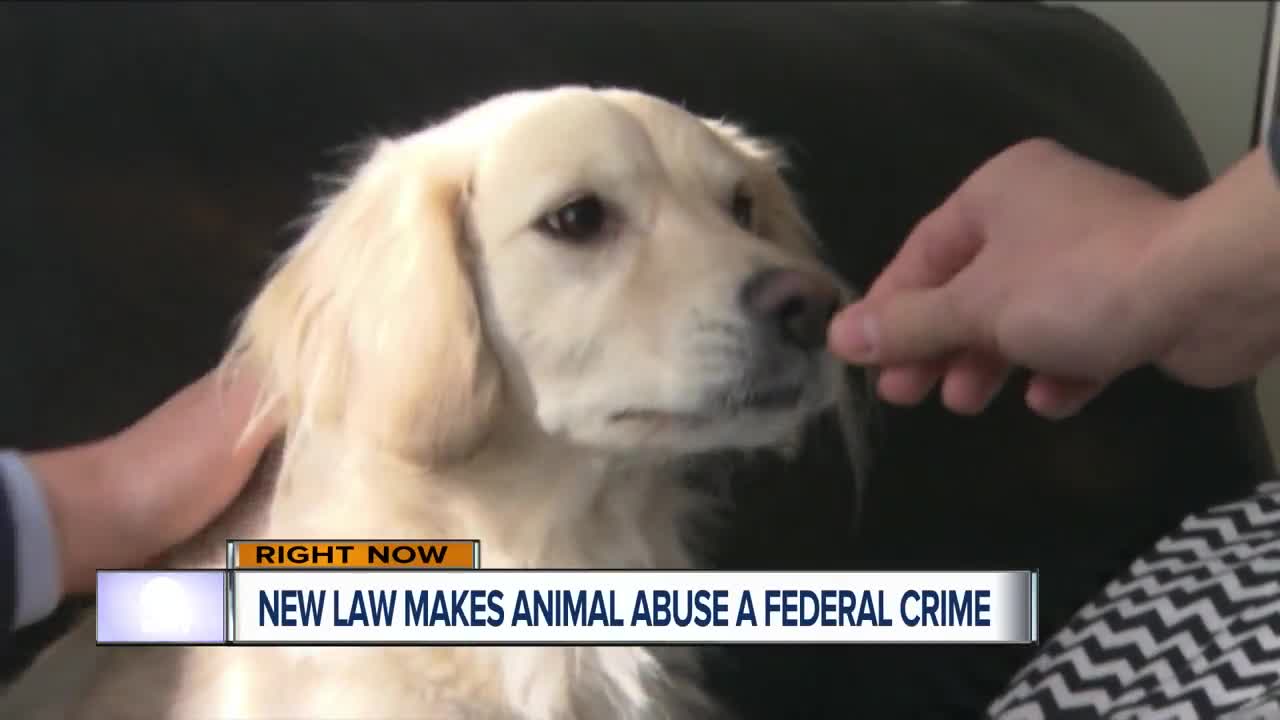
In recent years, the discourse surrounding animal rights has gained substantial momentum, with pivotal changes in legislation reflecting society’s evolving perception of animal welfare. The question that looms over this transformation is: Is cruelty to animals now a nationwide felony? This inquiry touches upon numerous facets of animal protection laws, the implications of such a status, and the broader consequences for both animals and humans alike.
Historically, animal cruelty was often relegated to the realms of local ordinances or state laws, leading to a patchwork of regulations that varied dramatically from one jurisdiction to another. This inconsistency often left animals vulnerable, with many perpetrators escaping prosecution due to loopholes or insufficient legal frameworks. However, a growing awareness of the psychological and social connections between humans and animals has catalyzed a larger movement toward comprehensive animal welfare legislation.
In light of this shifting paradigm, several states have begun to implement more stringent laws regarding animal cruelty, recognizing it not just as an act of violence against living beings but as a reflection of societal values. The introduction of felony charges for aggravated cruelty signifies a critical turning point in how society views the treatment of animals. Yet, it is essential to delineate between different types of animal cruelty, as not all offenses are created equal.
Animal cruelty often manifests in various forms, including neglect, physical abuse, and hoarding. Neglect, perhaps the most insidious form, can occur when animals are deprived of necessary sustenance, shelter, or medical care. Physical abuse, on the other hand, is characterized by direct harm, whether through beating, torture, or other violent means. Hoarding situations present a complicated dilemma, as those involved may genuinely believe they are caring for animals, yet their actions often lead to the suffering of countless creatures. The categorization of these offenses is crucial in the legal realm, as different levels of severity necessitate varied legal responses.
As states move towards categorizing certain egregious acts of animal cruelty as felonies, there are multifaceted implications for both the justice system and the community at large. Enhanced penalties serve to deter potential offenders, sending a clear message that society will not tolerate the inhumane treatment of animals. Furthermore, establishing a felony charge signifies a commitment to prioritizing animal welfare and acknowledges the emotional and psychological distress inflicted on both animals and their human caretakers.
Despite the positive strides made, the enactment of felony charges at the state level does not automatically translate to a uniform national standard. Consequently, there remains a pressing need for federal legislation that addresses the brutality faced by animals across all states. A nationwide felony charge for animal cruelty would create a baseline legal standard, ensuring that all forms of animal abuse are met with appropriate consequences, regardless of geographical location. Such legislation would also foster a collective consciousness, reinforcing the importance of compassion and empathy towards all living beings.
Education plays an indispensable role in this dialogue. Raising awareness about the realities of animal cruelty can catalyze social change. Communities are encouraged to engage in discussions, foster humane education in schools, and promote initiatives that support animal welfare. Understanding the underlying causes of cruelty—such as economic hardship, lack of education, or mental health issues—can further guide community efforts toward prevention and intervention. The crux of the matter lies in transforming societal perceptions, which requires a collaborative approach involving legislators, advocates, and the general public.
The benefits of establishing stronger animal protection laws resonate beyond merely safeguarding animals. Research has demonstrated a significant correlation between animal cruelty and other societal issues, including domestic violence and criminal behavior. By addressing acts of cruelty early and effectively, communities can foster a safer environment for all inhabitants. Addressing animal welfare is, therefore, not merely an ethical stance; it is a pragmatic approach to enhancing public safety and promoting healthy social norms.
As we grapple with the implications of animal cruelty laws, it is essential to reflect on the role of law enforcement and the judicial system. Training for police officers and prosecutors regarding the nuances of animal cruelty cases can improve the efficacy of investigations and prosecutions. Moreover, collaborations with animal welfare organizations can provide critical resources for evidence-gathering and victim support, ensuring that justice is not only pursued but achieved. The willingness of the judicial system to prioritize these cases can have profound effects, both in terms of legal outcomes and societal values.
Ultimately, the question of whether cruelty to animals is a nationwide felony touches upon deep-seated ethical considerations, social justice principles, and community well-being. While strides have been made toward recognizing the importance of animal protection laws, much work remains to create a cohesive framework that ensures safety and compassion for all living creatures. Advocating for animal welfare is a call to action—an invitation to foster understanding, empathy, and justice in every corner of our society.