In recent years, the luxurious appeal of cashmere has captivated a multitude of consumers. The silky softness and unparalleled warmth of cashmere garments are often regarded as a testament to quality and sophistication. However, behind this allure lies a troubling narrative that deserves closer scrutiny. As the demand for cashmere continues to surge, it is imperative to examine the darker side of its production process and consider the ethical implications involved.
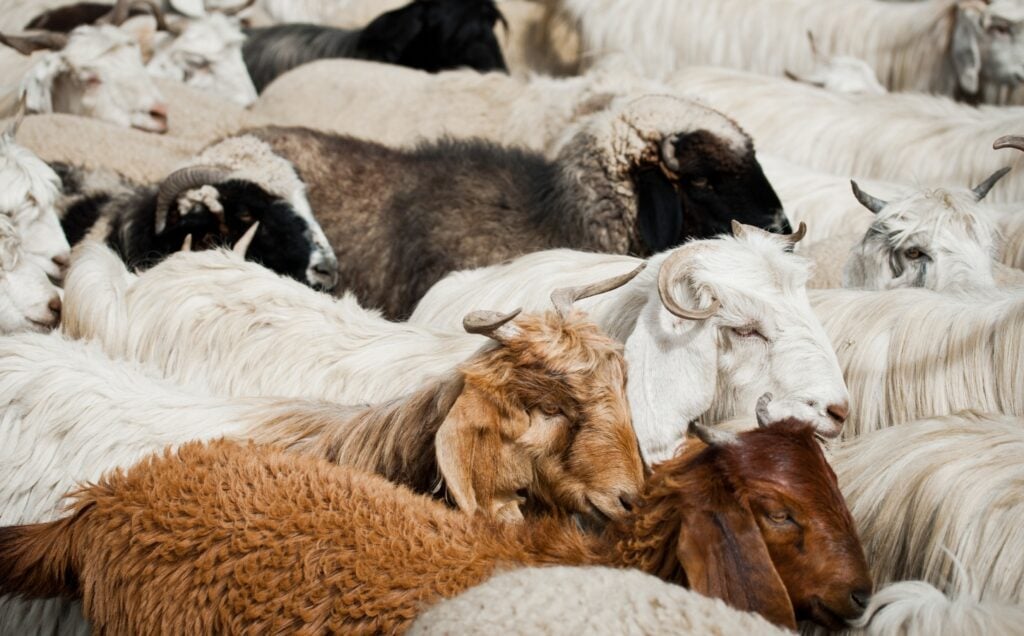
Cashmere, a fine type of wool derived from the undercoat of cashmere goats, is primarily sourced from regions such as Mongolia, China, and India. These goats thrive in harsh climates and are integral to the pastoral farming communities that depend on them for livelihood. However, the intersection of animal husbandry and commercial exploitation raises significant ethical concerns. The question looms: Is cashmere production tantamount to animal cruelty?
To understand the potential for cruelty in cashmere production, it is essential to explore the breeding practices employed by cashmere farmers. The desire for higher yields invariably leads to the selective breeding of goats for their fibers. While this practice can enhance the quality of cashmere, it often comes at a cost to the overall well-being of the animals. Many goats are subjected to substandard living conditions — confined to cramped spaces without adequate shelter or freedom to roam. These conditions create an environment rife with stress and health complications.
The shear itself is another critical point of contention. Cashmere goats require annual shearing, typically during the spring when their undercoats are naturally molting. Unfortunately, this process is frequently conducted with little regard for the animal’s welfare. Many goats are handled roughly, resulting in physical trauma, and sometimes even psychological distress. Incidents of injury during shearing are not rare, with reports of cuts and wounds left unattended. Such practices raise ethical questions: Does our craving for comfort justify inflicting pain on sentient beings?
Moreover, the financial ramifications of cashmere production can lead to further neglect. With the prices soaring due to increasing consumer demand, farmers face pressure to maximize their profits. Consequently, corners are often cut regarding the care and treatment of the animals. This pursuit of profit can incite inhumane practices, leaving goats vulnerable to exhaustion, illness, and even mortality during the shearing process or in the aftermath due to lack of appropriate veterinary care.
The environmental impact of cashmere production is also intertwined with issues of animal welfare. Overgrazing by cashmere goats has led to significant ecological consequences in some regions, particularly in Mongolia. The delicate grasslands that sustain not only the goats but also other wildlife are being depleted at alarming rates. This depletion disrupts natural ecosystems, impacting not only flora and fauna but also the very communities that depend on these resources for their survival. An ethical approach to animal production must acknowledge the interconnectedness of animals, ecosystems, and human livelihood.
In recent years, the phenomenon of “fast fashion” has exacerbated the plight of cashmere goats. With low-cost cashmere products proliferating in the fashion industry, the demand for economically sourced fibers has skyrocketed. This accentuates the troubling cycle of exploitation, where animals are commodified for their fibers at an alarming rate, often with little regard for their quality of life. The lure of cheap cashmere exploits both the animals and consumers who fail to consider the implications of their purchasing habits.
Despite the troubling narratives surrounding cashmere production, not all producers engage in immoral practices. Some ethical brands are striving to establish humane sourcing methods, focusing on the well-being of the goats and the sustainability of their habitats. These organizations emphasize transparency in their supply chains and prioritize animal welfare, offering consumers a chance to support practices that do not compromise the health and dignity of these animals.
As consumers, we wield considerable power in shaping the cycles of production and consumption. An informed choice can lead to a paradigm shift in the cashmere market. Understanding the impact of our purchases on animal welfare prompts us to ask deeper questions: Can luxury and ethical treatment coexist? As our fascination with textiles grows, it’s vital to remember the lives woven into every cashmere garment and to challenge ourselves to seek alternatives that do not perpetuate cruelty.
In conclusion, the production of cashmere raises profound ethical dilemmas that cannot be ignored. The allure of its softness belies a reality fraught with potential cruelty, environmental concern, and exploitation. Embracing a more conscientious approach to fashion necessitates a collective shift in awareness and responsibility. By educating ourselves and advocating for ethical alternatives, we can contribute to a future where animals are treated with respect and dignity, ensuring that luxury does not come at an unacceptable cost.