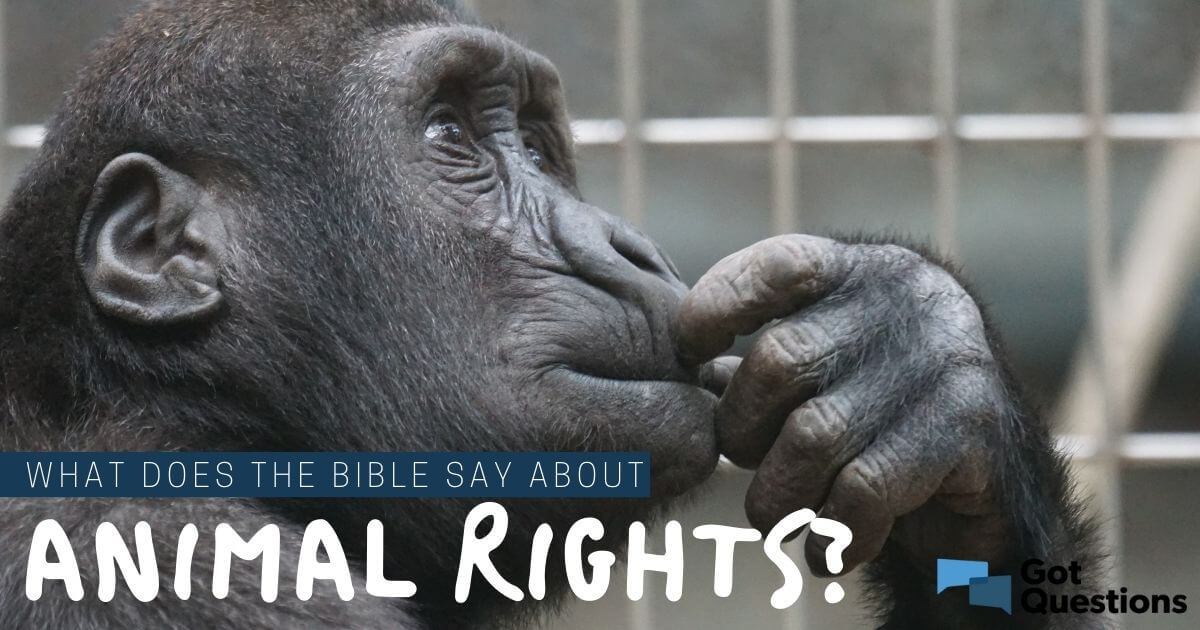
Animal cruelty has long been a contentious issue, frequently debated within philosophical, ethical, and theological circles. In the Christian context, the treatment of animals often invokes complex interpretations of scripture and divine intention. This article delves into the question: Is animal cruelty a sin in the Bible? By examining narratives and teachings throughout the scripture, we unravel a broader understanding of Christian ethics regarding animal rights, challenging conventional perceptions and potentially igniting a moral revolution in how society perceives its duty to the non-human inhabitants of the Earth.
To contemplate whether animal cruelty constitutes a sin, one must first ascertain the biblical stance on the value of creation. From the very genesis of humanity’s relationship with the world, scripture imbues animals with intrinsic worth. In Genesis 1:26-28, humanity is appointed steward of the Earth, charged with a divine mandate to cultivate and care for all living beings. This paradigm suggests a relationship founded on guardianship rather than dominance, a theme echoed consistently through both the Old and New Testaments.
As we traverse through biblical passages, we find numerous references emphasizing humane treatment of animals. Deuteronomy 25:4 encapsulates this notion succinctly: “You shall not muzzle an ox when it treads out the grain.” This admonition not only illustrates the importance of allowing working animals their due reward, but it also serves as a metaphor illuminating the broader ethical mandate to refrain from exploitation. Herein lies a principle: gentleness and respect towards creatures are fundamental to a moral society.
The ethical implications of animal treatment gain further depth when analyzing the narrative arcs involving compassion. The story of Balaam and his donkey in Numbers 22 provides an intriguing scenario where the animal, often perceived as a mere tool, becomes the voice of reason against the impending folly of her master. This passage highlights that animals, too, possess intelligence and agency, deserving consideration in moral deliberations. It prompts believers to ask: if a donkey can convey wisdom, how much more should we, as conscious beings, heed the needs and rights of all creatures?
Moreover, the teachings of Jesus offer profound insights into compassion. In Matthew 10:29, He states, “Are not two sparrows sold for a penny? Yet not one of them will fall to the ground outside your Father’s care.” This affirmation signifies the divine attention even the smallest of creatures receive. The inherent value ascribed to animals speaks against practices that lead to unnecessary suffering. If care is taken even for the sparrows, it calls for reflection on the moral implications of cruelty toward more sentient beings, such as dogs, cats, and livestock.
Some may counter that the Bible also endorses the use of animals for human consumption and labor, thus legitimizing certain practices of animal husbandry. Indeed, biblical texts do reference slaughtering animals for food; however, such references must be contextualized within a framework of respect and gratitude. The ethical consumption of animals within Biblical scripture is predicated on an acknowledgment of their lives and an appreciation of the sacrifice made. Hence, the prevailing ethos underscores stewardship, not wanton cruelty.
As dogmatic as some interpretations can be, it is crucial to differentiate between situational norms and inherent rights. The Christian ethical paradigm traditionally emphasizes love, compassion, and mercy, reflective of the central tenets of the faith. In considering the mistreatment of animals under this lens, one finds an inevitable contradiction. How can one profess a doctrine built upon love while simultaneously endorsing or turning a blind eye to suffering?
As believers grapple with these dilemmas, a significant facet of Christian ethics emerges: the concept of dominion does not equate to tyranny. Rather, dominion is synonymous with responsibility—an obligation to protect and enhance the welfare of all God’s creations. This principle burgeons into a more expansive understanding of animal rights, invoking a call-to-action for modern Christian stewardship.
Seeking to ignite a transformative shift in perspective, advocates argue that recognizing animal rights is not an affront to traditional doctrines but a fulfillment of them. They challenge Christians to embody the essence of loving one’s neighbor, extended not merely to fellow humans but to all living beings. This ethically expansive love advocates for animals as sentient partners in creation, deserving of equitable treatment.
The realization of such complex paradigms is imperative in contemporary discourse surrounding animal welfare legislation, industrial farming practices, and the ethical ramifications of pet ownership. By marrying biblical teachings with an overarching ethical awareness, the Christian community is uniquely positioned to lead progressive transformations in animal welfare.
In conclusion, reflecting upon the question of whether animal cruelty is a sin in the Bible undeniably demands a nuanced exploration. The theological foundations of stewardship, paired with the inherent value attributed to animals throughout scripture, culminate in a strong ethical imperative against cruelty. By fostering empathy and compassion, thereby embodying a faith that respects all life, the community can pivot towards an enriched understanding where animal rights become synonymous with the beliefs of love, stewardship, and moral integrity inherent to Christianity.
The path ahead is one of profound reflection, urging believers to reassess their roles as caretakers, advocates, and companions to the creatures with whom we share the Earth. In this endeavor, we can create a harmonious existence—one where love transcends species, illuminating a path toward a compassionate future that aligns with the very essence of Christian teaching.